Building a Reading Habit amid Busy Residency Schedules
Developing a reading habit is vital for medical residents to avoid burnout and stay sharp. This article explores how to use micro moments, digital tools, and literature to maintain a routine.
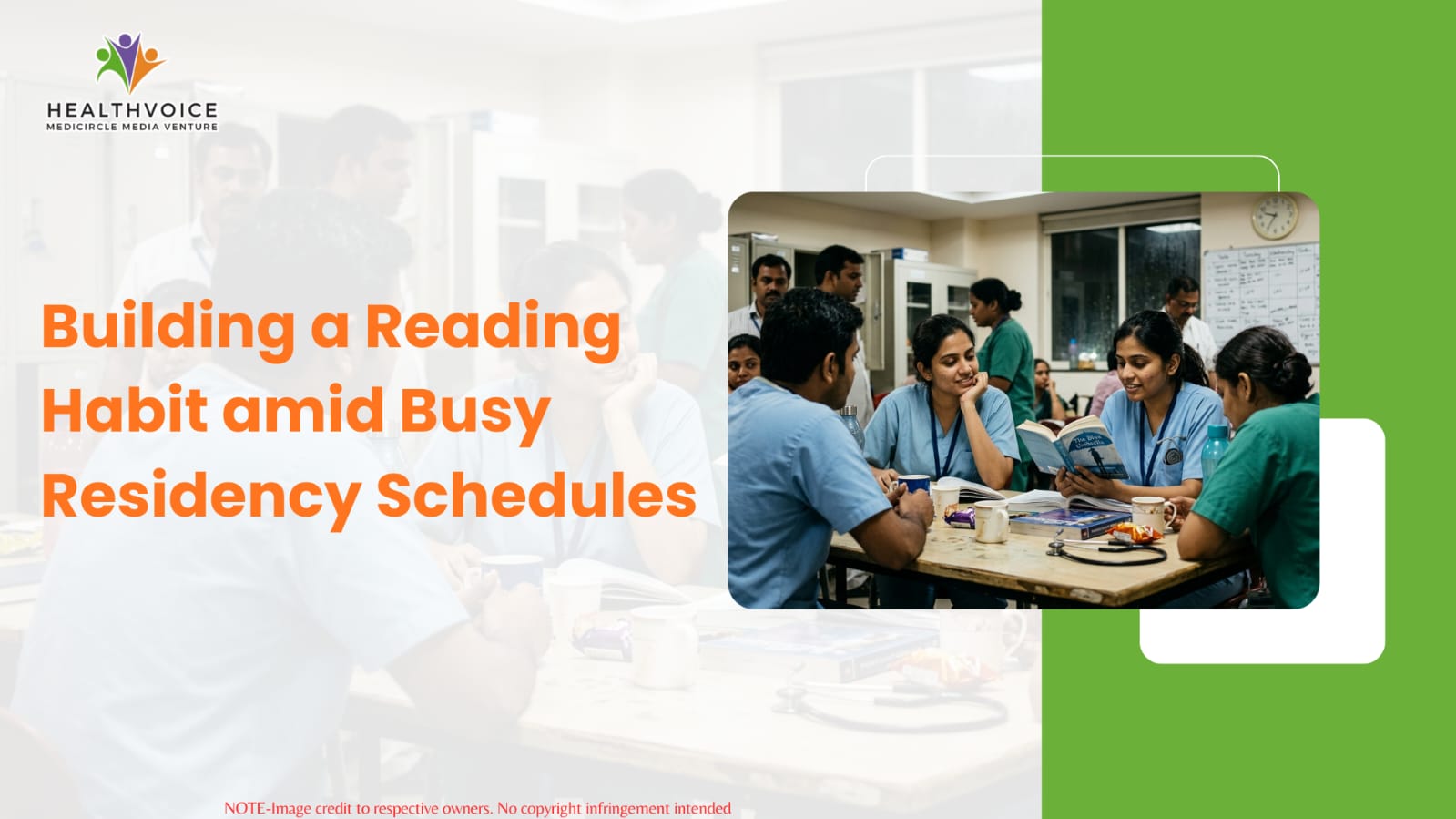
Reading during Medical Residency
For a medical resident in India, time is a rare commodity. Between grueling shifts, overcrowded outpatient departments, and the constant pressure of upcoming exams, the day often feels like a race against the clock. By the time most residents return to their hostel rooms, their only thought is to collapse into bed. In such a demanding environment, picking up a book for clinical updates or personal pleasure often feels like a distant dream.
However, cultivating a reading habit is one of the most effective ways to combat the mental exhaustion of residency. It offers a way to step outside the immediate stress of the wards and keep the mind agile. The secret is not to wait for a free hour that may never come. Instead, a person must change how they define time for reading. By finding value in the small gaps of a busy day, any resident can reclaim their intellectual life without sacrificing much needed rest.
Shifting Your Perspective
A common mistake many residents make is believing that reading only counts if it involves a massive textbook. If a student is not diving into a chapter of Harrison’s or Bailey and Love, they may feel unproductive. This rigid mindset often leads to no reading at all because the mental energy required for heavy academic study is often depleted after a long shift.
To build a sustainable habit, it is helpful to diversify what you read. Engaging with a biography, a work of fiction, or even a book on philosophy can provide a vital mental escape. These non-medical stories help maintain a sense of empathy, which is easily lost in the clinical grind. Furthermore, keeping up with medical progress does not always require a library. Short articles, editorial pieces in journals like HealthVoice, or quick clinical summaries are much easier to finish during a tea break and are just as valuable for staying informed.
Capitalizing on Micro-Moments
Indian hospitals are busy, but they are also full of waiting time. You might be waiting for a senior to arrive for rounds, for a patient to be wheeled into the operation theater, or for a laboratory report to be uploaded. These five to ten minute windows are perfect for micro reading. Instead of automatically checking a phone for social media updates, try reading two pages of a book.
Technology makes this easier than ever before. E-readers and mobile apps allow you to carry thousands of books in your apron pocket, removing the need to lug around heavy volumes. Audiobooks are another powerful tool for the modern clinician. Listening to a narrator while walking to the hospital or during a commute home can turn a mundane routine into an engaging learning experience or a much needed mental break.
Creating a Sanctuary
The environment where you live plays a major role in your habits. Since your time is limited, your hostel room should be set up to encourage relaxation and focus. Creating a small, dedicated space for reading away from medical equipment and hospital files can help your brain switch from work mode to rest mode.
Reading for just ten minutes before sleeping can also improve the quality of your rest. It reduces the blue light exposure from phones that often interferes with sleep. Consistency is key, but discipline should not feel like a punishment. Some days will be too overwhelming for any reading at all, and that is acceptable. The goal is to return to the habit the next day without guilt. You might even find that sharing a book recommendation with a colleague turns a solo habit into a shared source of motivation.
Benefits for Doctors
Reading does more than just relax the mind. It improves clinical performance. Literature explores human emotions and the patient experience in a way that medical charts never can. By reading stories about the human condition, you develop a deeper sense of empathy and a better bedside manner. In a healthcare system where time with patients is often limited, this emotional intelligence is what sets a great doctor apart.
Beyond empathy, being well read in fields like technology, ethics, or management prepares you for the future of Indian healthcare. The medical field is no longer just about biology. It is about understanding a complex and interdisciplinary world. A doctor who reads widely is better equipped to lead teams, communicate effectively, and innovate within their practice. It helps you evolve from a focused specialist into a well-rounded healer.
Handling Fatigue
The most common hurdle is physical and mental fatigue. When you are exhausted, focusing on complex text feels impossible. During these times, it is perfectly fine to choose lighter and more engaging material. The act of reading keeps the focus muscles of the brain active, making it easier to concentrate when you eventually need to study for exams or research a difficult case.
Residency can also be an isolating experience. Books provide a sense of connection to the wider world and to the experiences of others. Reading a memoir by a senior surgeon can remind you that your current struggles are a shared part of the medical journey. This connection acts as a shield against the cynicism and burnout that often affect young medical professionals in the early stages of their careers.
FAQs
Reading on Call
Do not try to read long chapters. Use audiobooks during your commute or use micro moments during breaks to read a single page or a short article.
Fiction versus Textbooks
Reading non-medical books is not a waste of time. Fiction helps prevent burnout and improves your ability to empathize with patients, which is a core clinical skill.
Best Digital Tools
Apps like Kindle or Libby are great for text. Audible or Spotify are excellent for audiobooks. Keeping PDFs of clinical journals on your phone is also helpful.
Managing Total Exhaustion
Start with just five minutes of something very simple and interesting. The goal is to maintain the routine, not to achieve a specific word count.
Conclusion
Creating a reading habit during residency is a powerful investment in your long term career and mental health. It is not about finding large blocks of free time, but about making the most of the small moments you already have. By diversifying what you read and using digital tools to your advantage, you can keep your intellectual curiosity alive. In the end, a well read doctor is often a more resilient, empathetic, and effective healthcare provider.
 Team Healthvoice
#MedicalResidency #DoctorLife #healthvoice
