Practical Infection Control in Small Nursing Homes
Small Indian nursing homes can achieve high safety standards by prioritizing consistent hand hygiene, smart ward zoning, rational equipment use, and brief daily staff training sessions to build community trust.
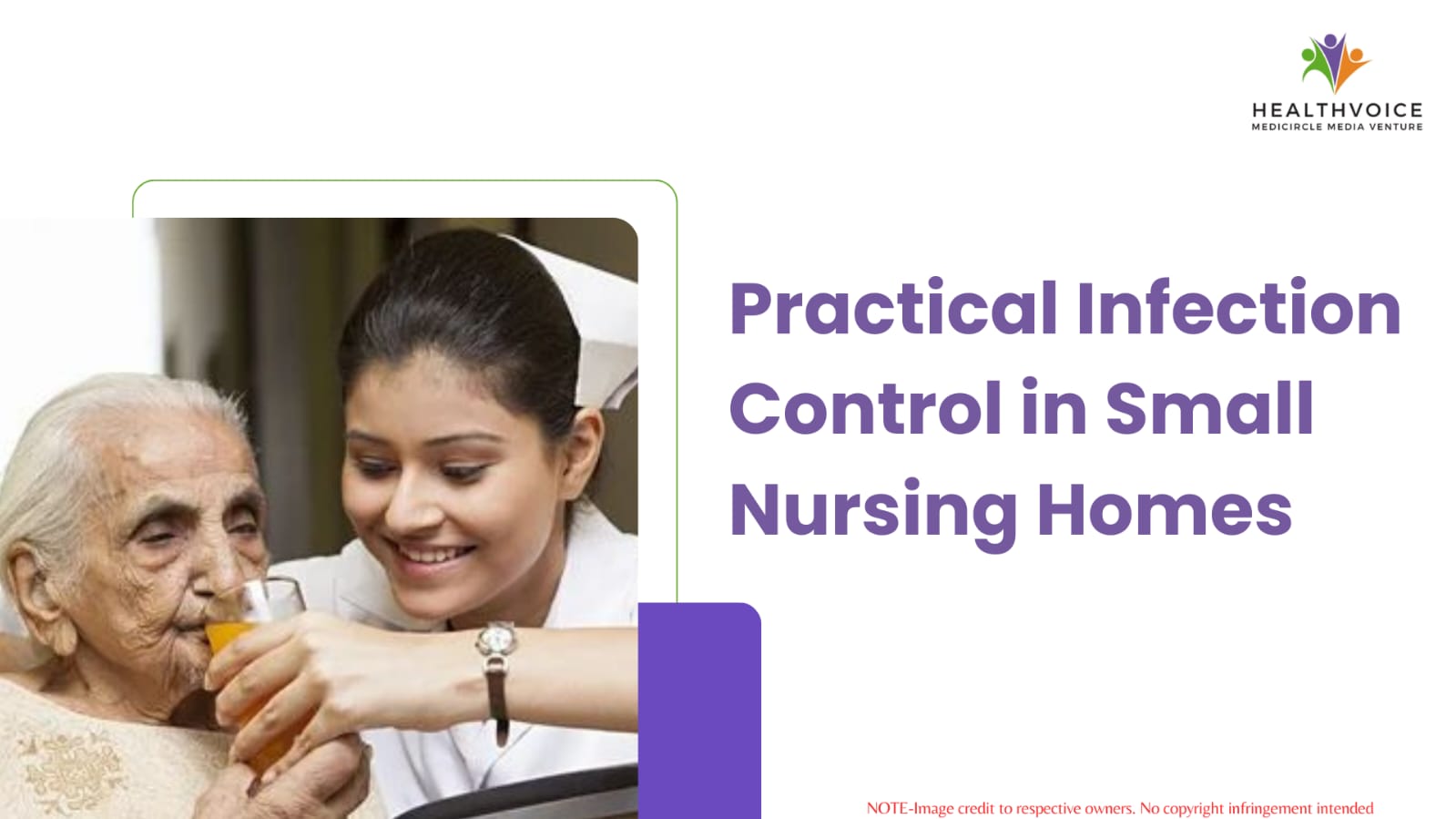
Infection Control in Nursing Homes
We often think of infection control as something that only happens in massive, high-technology hospitals with unlimited budgets and dedicated floors for sanitation. However, in India, the reality of healthcare is often found in neighborhood nursing homes. These smaller centers provide vital, long-term care, but they operate with different constraints, such as smaller teams, multi-purpose rooms, and a constant flow of visiting family members.
For a small nursing home, keeping patients safe is not about buying the most expensive machines. It is about creating a culture of smart and consistent habits. By focusing on practical steps that fit into a busy daily routine, these facilities can provide a level of safety that rivals even the largest corporate hospitals.
Better Hand Hygiene
It is the oldest advice in medicine, yet it remains the most powerful. In a fast-paced clinic in a town like Ludhiana or Madurai, a nurse might see a dozen patients in an hour. When things get busy, protocol fatigue sets in, and hand washing is often the first thing to be overlooked.
To make hygiene stick, we must make it convenient. Placing sanitizer dispensers at the foot of every bed, rather than just in the hallway, removes the extra step for the caregiver. It is also helpful to use high quality, skin friendly rubs. If a staff member has dry and cracked hands from cheap spirits, they will subconsciously avoid using them. Simple and frequent sanitization before and after touching a patient is the single most effective way to break the chain of infection.
Smart Ward Management
Many Indian nursing homes utilize shared wards or semi-private rooms to remain affordable. While this maximizes space, it also makes it easier for germs to travel. Since we cannot always put every patient in a private room, we must use zoning.
This involves a mental and physical map of the facility. Areas where medicine is prepared or clean linen is stored must be strictly off-limits to anything that is soiled. Cleaning routines should prioritize high traffic spots like bed rails, light switches, and shared remote controls. In our climate, where dust settles quickly, a two-step process ensures results. Cleaning the dirt off first and then applying disinfectant ensures the chemicals actually reach the surface to do their job.
Use Protective Gear
Personal Protective Equipment is a significant expense for a small business. The goal is rational use rather than maximum use. For example, gloves are essential when handling fluids, but they are not a magic shield.
A common mistake is wearing one pair of gloves to treat multiple patients to save on costs. This actually does more harm than good, as it carries bacteria from one person to the next. It is much safer to have bare, sanitized hands than contaminated gloves. Training staff to treat every pair of gloves as a single use tool for a single task is a fundamental safety pillar.
Involve Patient Families
In India, family members are not just visitors. They are often secondary caregivers who help with meals and comfort. This is a strength for the mental health of the patient, but it requires a bit of coordination for safety.
Instead of keeping families away, we should invite them into the safety process. Simple signs in the local language, such as Hindi, Marathi, Tamil, or Bengali, can explain why hand rubbing is important. They can also explain why they should stay home if they have a cough. When families see the staff taking these small steps seriously, it builds an immense amount of trust. They begin to feel that their loved one is in a protected and professional environment.
Daily Staff Huddles
High staff turnover can be a challenge for smaller facilities. When a new assistant or cleaner joins the team, they should not have to wait for a monthly seminar to learn safety rules.
Instead, try micro-learning. A quick, five minute meeting at the start of the morning shift can focus on just one topic. For example, the meeting could cover the proper way to dispose of a needle or how to handle laundry from a patient with a fever. These huddles keep safety at the front of everyone’s mind without taking away from their busy schedules.
Quick Safety Wins
Focus Area
Practical Action
Why It Matters
Hands
Put sanitizers at every bedside
Increases compliance by saving time
Surfaces
Focus on bed rails and switches
Eliminates the most common germ hotspots
Equipment
Sanitize stethoscopes between patients
Prevents cross-contamination between rooms
Waste
Color-coded bins (Red, Yellow, Blue)
Ensures dangerous waste is handled safely
Building Safety Reputation
Infection control in a nursing home is about more than just clinical charts. It is about the reputation of the facility. When a center is consistently clean and its staff is disciplined, word spreads. Patients feel safer, and families feel more confident in the care being provided.
By moving away from a reactive approach to a proactive, habit-based system, small nursing homes can prove their worth. Quality healthcare is not about the size of the building. It is about the dedication of the people inside it.
Common Safety Questions
Need for Safety Officers
You do not need a new hire. Simply designate a senior staff member as the Safety Champion who spends ten minutes a day checking dispensers and answering staff questions.
Low Cost Improvements
Education and hand hygiene are the best options. These cost very little compared to the price of treating a facility-wide infection or losing the trust of the community.
Handling Seasonal Visitors
Be transparent. Use a polite sign or a quick word from the front desk to ask visitors with symptoms to call the patient via video instead of visiting in person.
Choosing Proper Disinfectants
Hospital grade disinfectant is necessary. While household cleaners are great for floors, high-touch medical areas require disinfectants specifically designed to kill tougher hospital germs.
 Team Healthvoice
#InfectionControl #PatientSafety #healthvoice