Challenges doctors face in modern clinical practice
Doctors in India face growing pressures beyond clinical care, including administrative overload, workplace violence, rural isolation, ethical dilemmas and burnout, reshaping the realities of medical practice nationwide.
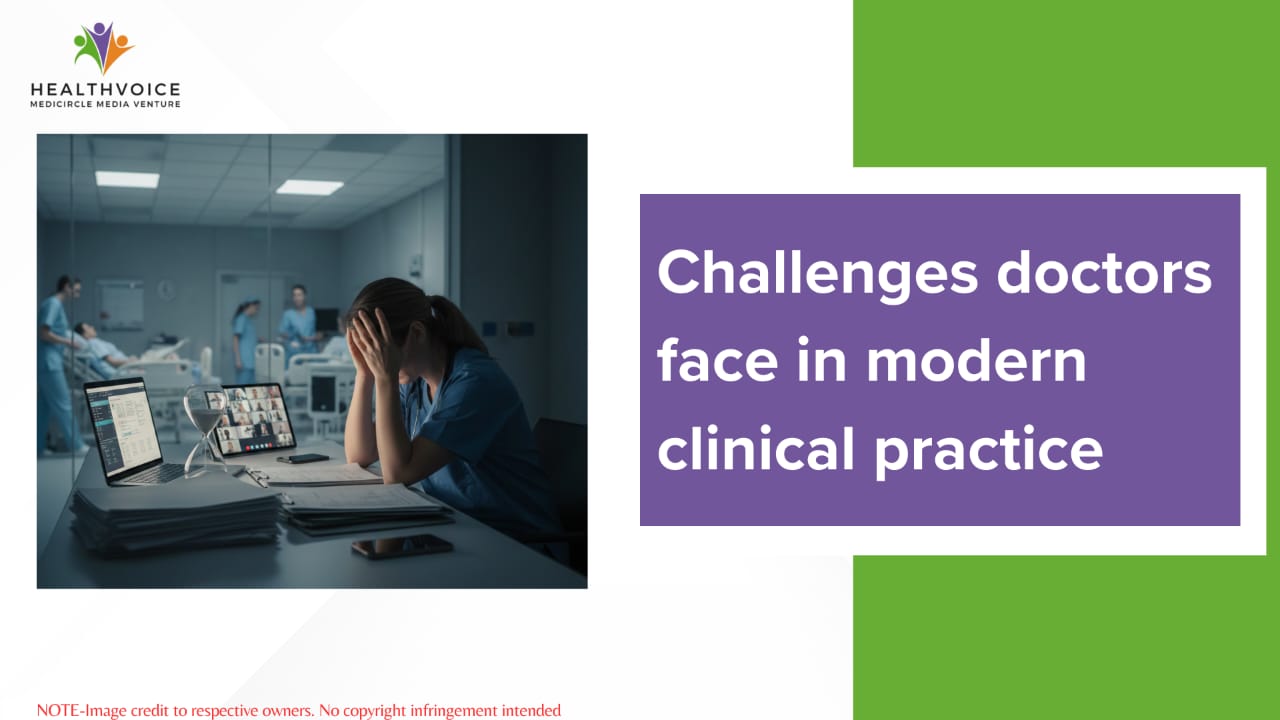
We see them in clinics and hospitals, calm and focused in their white coats. It is easy to assume their day is a straightforward cycle of diagnosis and treatment. But for doctors across India today, the reality is a demanding journey through a maze of pressures that go far beyond medical textbooks.
The stethoscope is just one tool among many. The true test often lies in navigating a system filled with unexpected hurdles. Let us talk about what that daily journey really involves.
Administrative overload:
Before a doctor can even listen to a patient’s chest, there is a mountain of unseen work. Hours are consumed by digital records, insurance forms and regulatory compliance. This administrative load is immense. It eats into the time meant for patients, leaving many doctors feeling like they are racing against the clock, their passion dimmed by endless documentation.
Atmosphere of anxiety:
A particularly alarming change has been the threat of violence. The Indian Medical Association has highlighted a grim statistic: more than 75 percent of doctor’s report facing aggression at work. This stems from many factors, including overflowing waiting rooms, emotional distress in families and sometimes unrealistic expectations. This fear lingers in the background. It changes how a doctor enters a room, forcing a layer of caution into what should be a partnership of trust.
Urban rural chasm:
In a city like Delhi or Mumbai, a doctor might have a network of specialists and advanced machines down the hall. In rural India, where most of the population lives, the scene is different. A primary health center might have one doctor managing everything with limited supplies. The challenge here is profound, making critical decisions in isolation, often without the support system their urban counterparts take for granted.
Prescription dilemma:
On the clinical front, a silent crisis complicates every prescription: antimicrobial resistance. With some of the world’s highest resistance rates, doctors are in a difficult position. When a patient in a small town presents with a severe infection and lab tests will take days, what is the right call? The pressure to prescribe a broad spectrum antibiotic immediately, hoping it works, conflicts with the need to protect long term effectiveness. It is a daily ethical tightrope.
Personal toll of caregiving:
Carrying these burdens day after day leaves a mark. Research suggests a troubling number of physicians experience burnout, depression and anxiety. The very traits that make them compassionate, their dedication and sense of responsibility, can also make them vulnerable. The healer’s own health becomes a casualty of a strained system.
Finding strength in community:
Faced with such systemic challenges, where can a doctor turn? The answer lies in breaking down the walls of solitary practice. No doctor should have to find all the answers alone.
This is the core belief behind communities like HealthVoice. By creating a dedicated space for doctors to connect, the goal is to replace isolation with solidarity. Imagine a young clinician in a remote area discussing a complex case with an experienced specialist online or a doctor sharing a strategy to manage administrative overload. This exchange of practical knowledge and moral support can lighten the load. It makes the entire ecosystem of care smarter and more resilient.
The path of medicine has never been easy, but today’s challenges demand new forms of collaboration. By choosing connection, doctors are not just sharing problems, they are building the collective wisdom to solve them. Because when those who care for us are supported, everyone’s health is stronger.
 Team Healthvoice
#DoctorLife #MedicoLife #DoctorsOfIndia #PhysicianBurnout #MentalHealthMatters #HealthcareSystem #FrontlineHeroes #MedicalCommunity #ResidentDoctor #PublicHealth #PatientCare #HealthVoice
