How Busy Doctors Can Reduce Errors
Clinical decision fatigue leads to medical errors in busy Indian clinics. Doctors can reduce risks by prioritizing complex cases, using digital tools, and taking micro breaks to maintain safety.
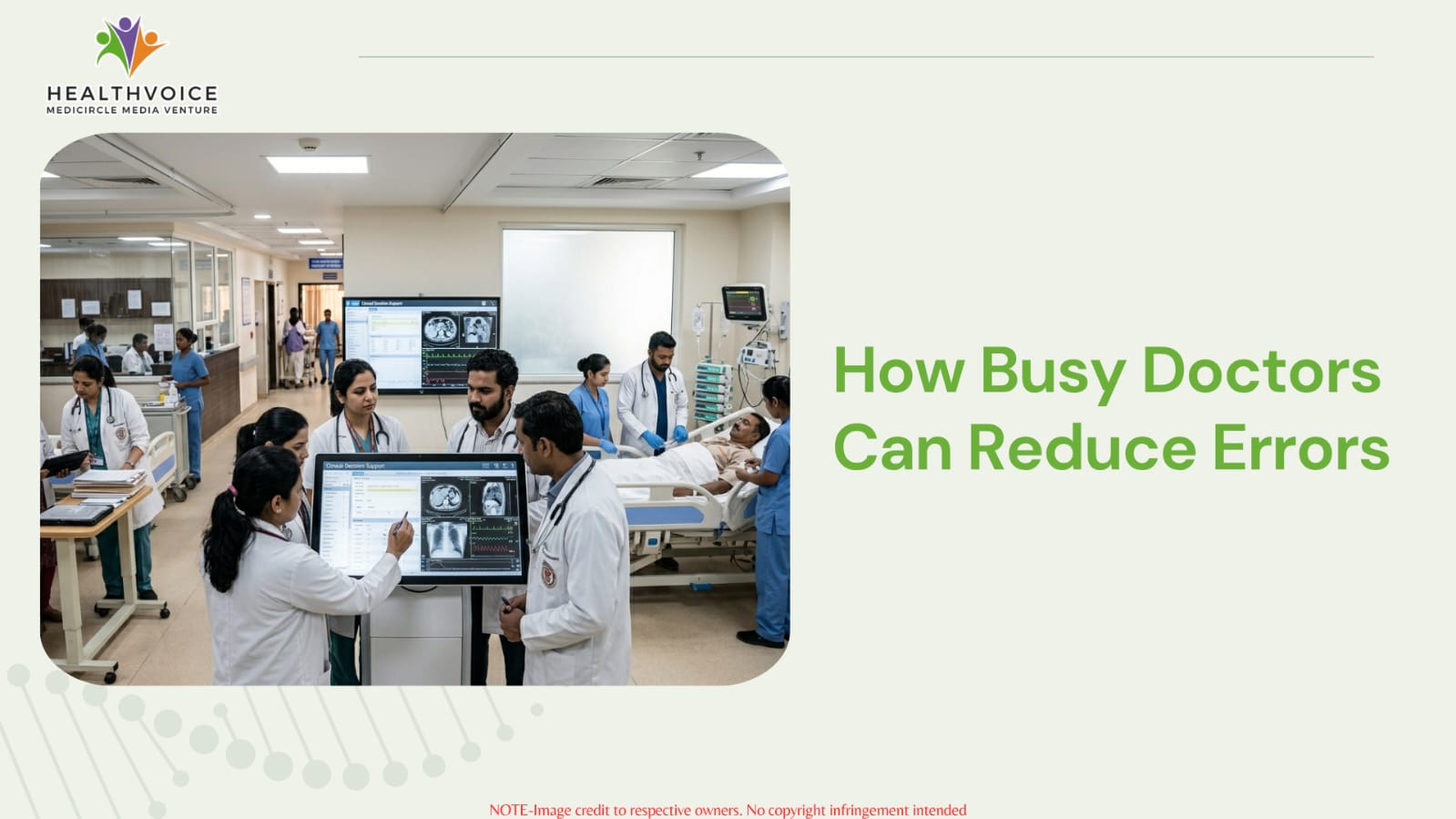
Clinical Decision Fatigue: How Busy Doctors Can Reduce Errors
The daily life of a medical professional in India is a constant struggle against the clock. Between overcrowded waiting areas and high pressure hospital environments, doctors must make hundreds of vital choices every day. However, the human brain is not designed to function at its peak capacity without any limits. By the time a physician sees their fortieth or fiftieth patient, a dangerous phenomenon known as clinical decision fatigue begins to take hold.
This condition is not simply about feeling physically tired. It involves the steady depletion of mental energy required to make complex and accurate diagnostic choices. When the mental battery of a provider runs low, the risk of a significant oversight increases. For healthcare providers in India, recognizing and managing this fatigue is just as critical as staying updated with modern medical research.
How Brains Take Shortcuts
Decision fatigue occurs because the executive portion of the brain possesses a limited daily energy quota. Every diagnostic puzzle that a clinician solves and every treatment plan they draft drains a portion of that mental power. When this internal tank becomes empty, the brain naturally searches for the path of least resistance.
In a busy Indian outpatient department, this fatigue might manifest as a doctor subconsciously sticking to a familiar prescription. They might avoid investigating a new symptom or miss a minor abnormality in a routine laboratory report. This is a physiological response rather than a lack of professional competence. When clinicians are mentally drained, their brains shift toward default choices to conserve energy, allowing clinical errors to occur.
Impact of Mental Exhaustion
The consequences of this mental drain extend far beyond the desk of the physician. It directly impacts the individual sitting across from them in the consultation room. A mentally exhausted doctor possesses less capacity for the deep empathy required to address sensitive patient concerns. This exhaustion leads to shorter interactions where patients might feel rushed and ignored.
Furthermore, subtle clinical indicators are much more difficult to identify when the mind is operating on autopilot. A slight yellowing of the eyes or a minor change in the breathing of a patient can be overlooked easily. In high volume clinical settings, the combination of a ticking clock and a weary mind creates a scenario where diagnostic delays are frequent.
Practical Ways to Stay Sharp
While clinicians cannot always change the number of patients waiting at the clinic door, they can modify how they manage mental resources.
Prioritize Complex Cases
Try to schedule the most complicated diagnostic cases or new consultations for the morning hours. Your mind is at its freshest state during the start of the day. You should save routine follow up visits or administrative paperwork for the afternoon when your heavy cognitive work is already finished.
Power of Micro Breaks
Medical professionals often feel that stopping for five minutes is a waste of valuable time. However, it is actually a vital safety measure for patient care. Stepping away from the computer screen or performing a few minutes of quiet breathing can help reset your focus. Think of this habit as a necessary reboot for your tired brain.
Use Digital Safety Nets
You should not rely solely on your memory during a long shift. Utilizing Clinical Decision Support Systems within an Electronic Medical Record can act as a vital backup for your brain. These digital tools can flag potential drug interactions or remind you of necessary health screenings that a fatigued mind might easily forget.
Building Systems of Safety
Individual effort is commendable, but systemic changes are far more effective for long term safety. Hospitals and clinics can reduce the burden on doctors by simplifying complex administrative tasks. They should encourage a professional culture where double checking information is a standard practice rather than a sign of personal weakness.
Using structured checklists for routine medical procedures offloads the mental work from the doctor to a reliable system. This approach preserves the mental energy of the physician for tasks that only a human can perform. It allows them to interpret complex symptoms while building a meaningful connection with their patients.
Comparison of Management Strategies
Strategy
How it Helps
Quick Implementation Tip
Cognitive Offloading
Uses checklists to save vital mental energy.
Keep printed protocol cards on your desk.
Time Blocking
Protects your best hours for tough cases.
Use the first two hours for new patients.
Peer Reviews
Brings a fresh set of eyes to cases.
Discuss difficult cases during your lunch break.
Smart Alerts
Catches potential errors in real time.
Enable pharmacy alerts in your clinic software.
Summary and Next Steps
Clinical decision fatigue is an invisible challenge, but it does not have to lead to medical errors. By acknowledging the limits of the human mind and using tools like technology and strategic breaks, we can protect our patients. A sharp mind remains the most important instrument of a doctor. You must ensure that you are keeping your cognitive health well maintained every day.
Frequently Asked Questions
- Is decision fatigue just another word for burnout?
These concepts are not the same. Decision fatigue is a temporary state that happens in a single day after making too many difficult choices. Burnout is a chronic and long term state of emotional exhaustion.
- How do I know if I am hitting a decision wall?
You should look for signs such as feeling unusually frustrated by simple questions. Other signs include a tendency to postpone decisions or realizing that you are glazing over while a patient speaks.
- Does professional experience help reduce this fatigue?
Experience allows you to make decisions faster, which saves some energy. However, even the most senior consultants possess biological limits that they cannot ignore. No amount of experience makes a brain immune to the need for rest.
- Can a better diet really help my brain?
The human brain uses a significant portion of the daily glucose supply of the body. Eating small and healthy meals throughout a long shift helps prevent the mental fog that leads to poor clinical choices.
 Team Healthvoice
#DoctorWellbeing #ClinicalDecisionMaking #healthvoice
