ICU Resource Allocation during High Patient Load Periods
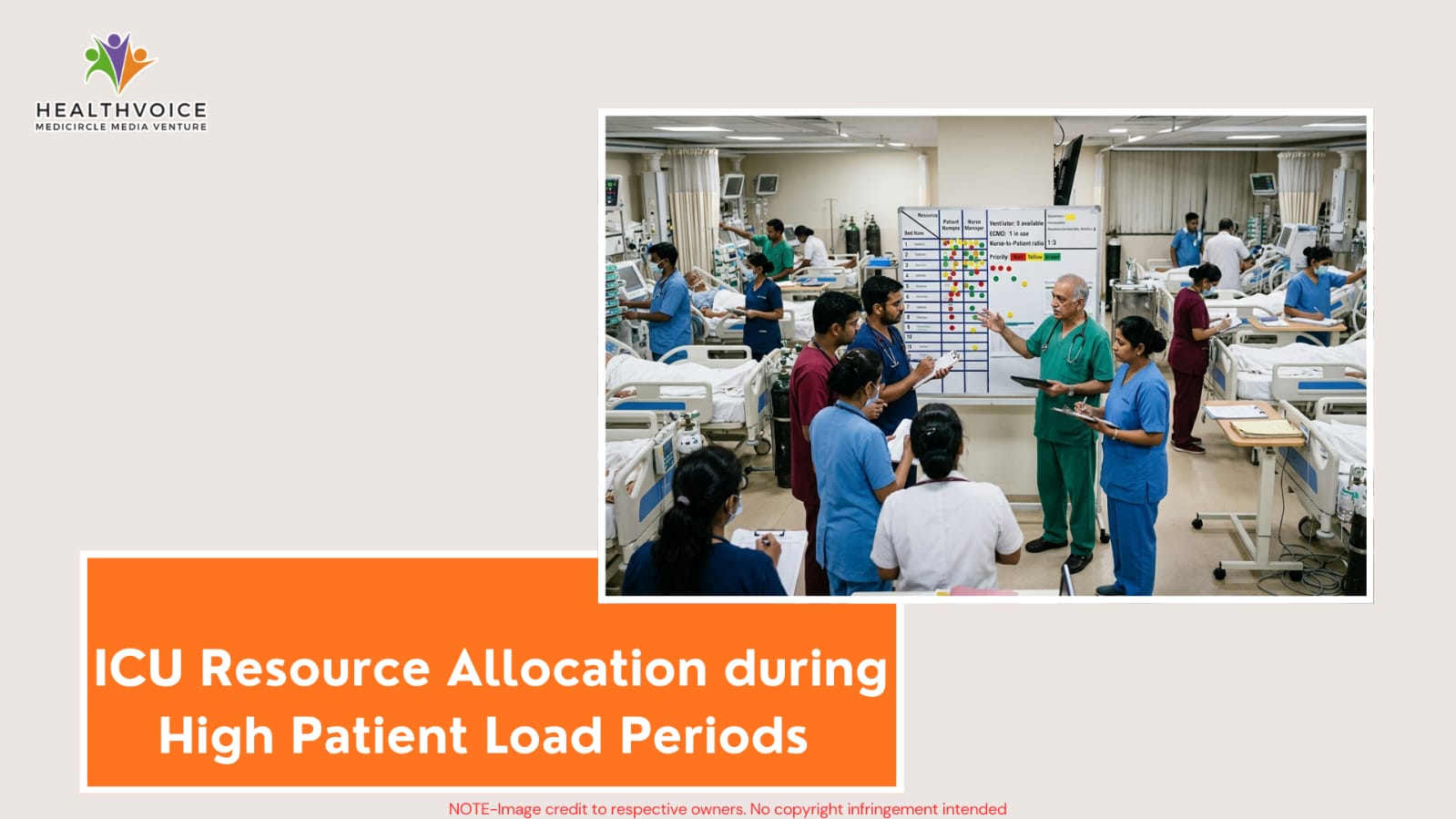
Indian hospitals manage ICU surges by combining tiered staffing, objective triage protocols, and digital monitoring. These strategies ensure efficient resource allocation and maintain patient safety during high load periods.
Managing ICU Resource Allocation during High Patient Load
The Intensive Care Unit is the most critical department in any medical facility. Every minute involves life altering decisions that impact patient survival. In India, the demand for these specialized beds often increases unexpectedly. Seasonal viral outbreaks, major accidents, and sudden public health crises frequently stretch hospital capacities. When every bed is full and the waiting list grows, hospital management must pivot to a high efficiency model. Successfully navigating these high load periods requires much more than simply finding extra floor space. It requires a seamless blend of expert staffing, specialized equipment, and clinical protocols. These elements ensure the most vulnerable patients receive the necessary attention without any compromise to their safety.
Understanding Surge Capacity
When a hospital faces a sudden surge, it must evaluate its ability to expand care quickly. This concept is often categorized into three critical areas known as space, stuff, and staff. While physical space is usually the primary concern, simply turning a general ward into an intensive care zone is not enough.
Essential Medical Equipment
An intensive care bed is not useful without the necessary equipment to keep a patient stable. This includes ventilators, continuous oxygen supply, and dialysis machines. In India, ensuring a robust supply chain for medical gases and life-saving hardware is a top priority for administrators during a crisis.
Repurposing Hospital Areas
Hospitals often look for ways to convert existing areas into temporary critical care zones. Post-operative recovery rooms or high dependency units are frequently adapted for this purpose. This flexibility allows the facility to increase its bed count without constructing new permanent structures during an emergency.
Strategic ICU Staffing
The most valuable resource in any critical care unit is the specialized medical team. Unlike machines, doctors and nurses cannot work indefinitely without fatigue. To solve this problem, many Indian hospitals utilize a tiered or pyramid staffing model.
Pyramid Staffing Models
In this system, a single highly experienced intensivist oversees a larger team of general physicians or senior residents. By delegating bedside tasks while keeping final diagnostic decisions with the specialist, the hospital can treat more patients safely. This approach ensures that expert oversight remains constant across all beds.
Utilizing Reserve Forces
Pulling in trained staff from other departments provides a much needed reserve force. Anesthesia and emergency medicine professionals often possess the skills required to assist in a critical care setting. Their involvement helps to distribute the workload and prevents burnout among the primary intensive care team members.
Ethics of Triage
When demand exceeds the supply of beds, doctors must make difficult choices about which patients need immediate intervention. This process is known as triage. To keep these decisions fair and clinical rather than emotional, hospitals use objective scoring systems.
Using Clinical Scores
Systems such as the Sequential Organ Failure Assessment help guide these difficult decisions. These protocols help identify patients who are most likely to benefit from intensive treatment at that moment. This ensures that the limited resources are used where they can have the greatest impact on survival.
Active Step Down Protocols
Efficient management also involves an active step down approach for recovering patients. Individuals who have stabilized are moved quickly to high dependency units or general wards. This movement ensures that advanced life support equipment remains available for the next incoming emergency patient.
Digital Care Solutions
Technology has become a silent savior in modern Indian intensive care units. Digital monitoring systems act as a second set of eyes for the medical team. These tools track vital signs in real time and flag early warning signs of decline before a full crisis occurs.
Tele-ICU Service Benefits
Tele-ICU platforms allow a specialist in a major city to monitor patients in smaller satellite hospitals. They use high speed data feeds and cameras to provide expert guidance. This hub and spoke model ensures that specialized expertise is available at every bedside regardless of the physical location of the hospital.
Automated Monitoring Systems
Automation helps to reduce the manual burden on nursing staff. Systems that automatically record data and provide alerts allow the team to focus on direct patient care. These digital co-pilots are essential for maintaining high standards during periods of heavy patient volume.
Solving Exit Blocks
A major reason for crowded units is a phenomenon called an exit block. This happens when a patient is ready to leave the unit, but there is no available bed in the general ward. This situation prevents new and more critical patients from accessing necessary care.
Hospital Wide Coordination
Efficient hospitals tackle this by coordinating the entire facility as one single unit. By holding daily morning meetings with discharge planners from all departments, hospitals can prioritize ward movements. This synchronization helps to keep the flow of patients moving smoothly through the system.
Prioritizing Early Discharge
Freeing up a ward bed early in the morning can mean an intensive care bed becomes available by noon. This small shift in timing can potentially save a life in the emergency room. It requires constant communication between the intensive care staff and the general ward administrators.
Maintaining Safety Standards
When a unit is at its busiest, it is easy to overlook small procedural details. However, this is exactly when protocols matter the most. Simple habits are essential to prevent secondary infections and ensure the best possible outcomes for every patient.
Strict Hygiene Protocols
Strict hand hygiene and standardized checklists for ventilators are non negotiable. These measures help to prevent complications such as ventilator associated pneumonia. Even during high pressure periods, these safety steps must remain a central part of the daily routine.
Daily Team Huddles
Short and focused team huddles at the start of each shift help keep everyone on the same page. These briefings allow the staff to identify the most unstable patients and discuss resource needs for the next several hours. This practice ensures that quality of care never wavers in a high pressure environment.
Conclusion
Managing an intensive care unit during peak periods is a complex balancing act that requires resilience. While the pressure on the Indian healthcare system is significant, the combination of smart staffing and clear triage provides a path forward. By treating the unit as a dynamic and evolving environment, healthcare providers ensure that the focus remains on the ultimate goal of saving lives.
Frequently Asked Questions
How does an HDU differ from an ICU?
An ICU is for patients who need invasive life support like ventilators. A High Dependency Unit is for those who need close monitoring but are stable enough to not require constant intervention.
What happens if all beds are full?
Hospitals trigger surge protocols which may include repurposing recovery rooms. They may also use Tele-ICU oversight for patients in other wards or stabilize patients in the emergency room until a bed opens.
Is patient safety compromised during crowds?
Hospitals use strict checklists and tiered staffing to prevent this. By following care bundles and having specialists oversee larger teams, the facility maintains a high standard of care despite the volume.
Can technology replace a bedside doctor?
Technology is a tool to assist but not replace the medical team. Digital monitors and Tele-ICU systems help specialists respond faster, but the final clinical judgment always comes from the human doctors on site.
 Team Healthvoice
#CriticalCare #ICUManagement #healthvoice