: Defensive Medicine: Causes and Consequences
Defensive medicine in India arises from a fear of litigation and violence. It leads to unnecessary testing and high costs, which ultimately erodes the vital trust between doctors and patients.
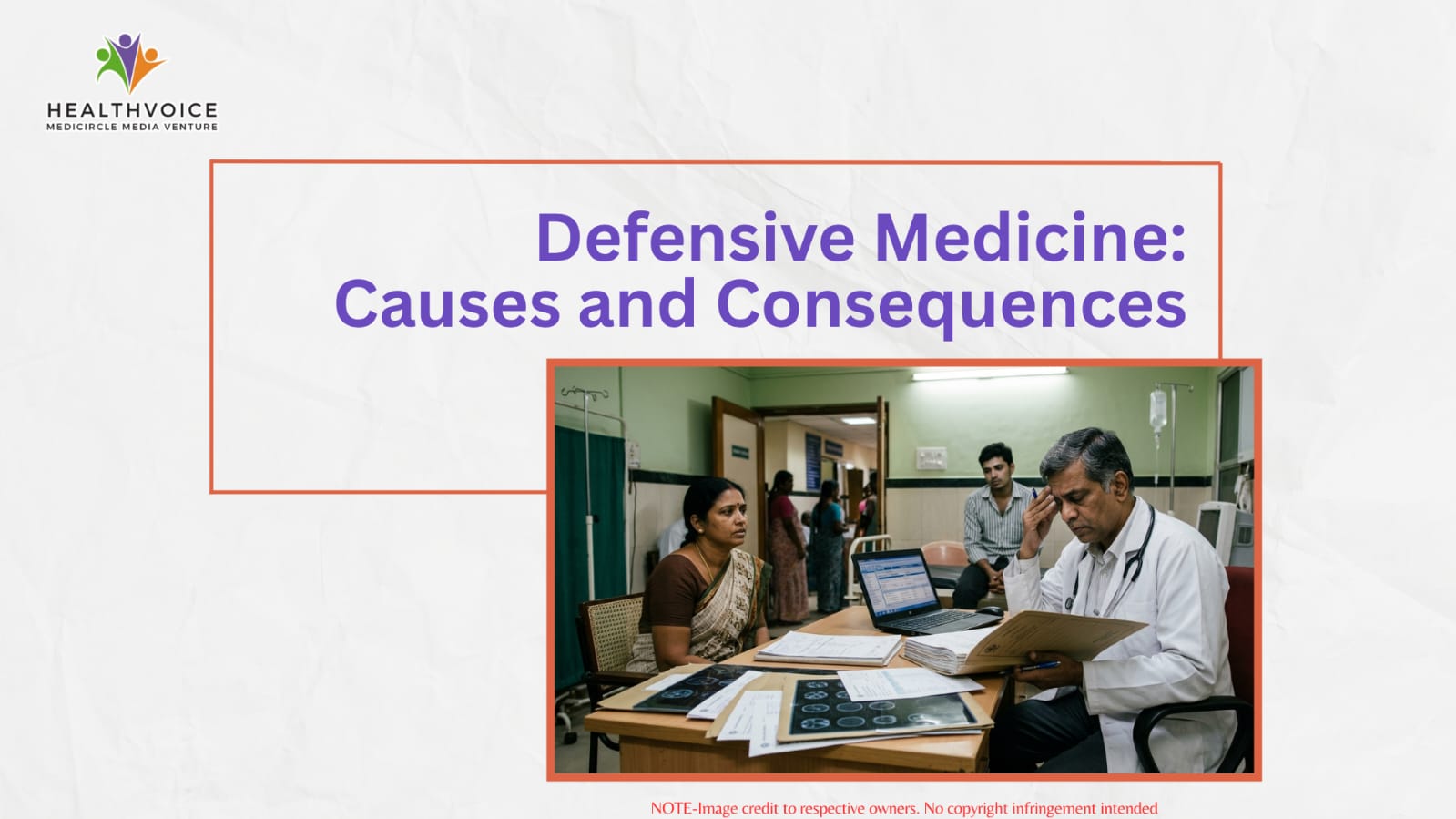
H1: Defensive Medicine in India
In the recent history of Indian healthcare, the relationship between a family and their doctor was fundamentally sacred. This bond relied upon years of familiarity and a deep sense of mutual trust. Today, however, that dynamic is shifting rapidly. If you have visited a hospital recently and felt overwhelmed by the volume of tests or paperwork for a simple ailment, you have likely encountered defensive medicine.
Defensive medicine occurs when healthcare providers make clinical decisions primarily to protect themselves from legal liability or physical threats. This happens instead of focusing solely on the medical needs of the patient. It is a quiet crisis where the objective is no longer only to heal, but also to document and defend.
H2: Causes of Defensive Practice
The shift toward defensive practices is not happening in a vacuum. It is a direct response to a more volatile medical environment. In India, two specific factors have accelerated this trend.
H3: Legal Battle Fears
Since medical services were included under the Consumer Protection Act, patients have gained a powerful tool for accountability. While protecting patient rights is essential, the unintended side effect is a climate of constant fear. Doctors now operate with the worry that a single complication could result in a career ending lawsuit.
H3: Workplace Safety Issues
Perhaps the most distressing driver is the rise of violence against medical staff. Frequent reports of hospital vandalism and physical attacks on doctors have left the medical community shaken. When doctors feel physically unsafe, they naturally lean toward the most cautious approach possible to avoid friction with angry relatives.
H2: Common Defensive Methods
Defensive medicine usually takes one of two forms. It involves either playing it safe through extra steps or staying away from high risk situations.
H3: Over-Testing and Assurance
This is the most common form of defensive behavior. It involves ordering extra blood work, MRIs, or CT scans just to be sure. While it provides a massive paper trail to prove the doctor was thorough, it often adds little value to the actual diagnosis. It is about creating a record in case a medical board reviews the file.
H3: Avoidance of Care
This is the darker side of the phenomenon. To minimize risk, some specialists may hesitate to take on complicated cases. For example, a surgeon might refer a high risk elderly patient to a different facility rather than risk a negative outcome. This can lead to delays in life saving treatment for those who need it most.
H2: Impact on Patients
While defensive medicine is meant to protect the doctor, the patient usually pays the price in multiple ways.
H3: The Financial Burden
India has one of the highest rates of out of pocket healthcare spending in the world. When a doctor orders five tests instead of two, the financial weight falls directly on the family. These precautionary costs can turn a routine medical event into a major financial crisis for middle income households.
H3: Risks of Intervention
More medicine is not always better medicine. Unnecessary exposure to radiation from multiple CT scans or the over prescription of antibiotics can have long term health consequences. It also contributes to broader issues like antibiotic resistance, which makes future infections harder to treat for everyone.
H2: Restoring Clinical Trust
The most heartbreaking consequence of defensive medicine is the cooling of the doctor patient relationship. When a physician views a patient as a potential legal opponent, the conversation becomes clinical and guarded. Instead of a warm discussion, the interaction focuses on consent forms and lists of rare complications.
When trust is replaced by suspicion, the healing process suffers significantly. Patients may feel like they are just another case on a checklist while doctors feel like they are walking on eggshells. This environment makes shared decision making nearly impossible to achieve.
H2: Finding Better Solutions
Fixing this issue requires more than just a change in how doctors work. It requires a systemic shift.
- Legal Clarity: We need clear and standardized clinical guidelines. If a doctor follows these evidence based steps, they should be protected from frivolous litigation.
- Safety Measures: Ensuring the physical safety of healthcare workers is non negotiable. A doctor who is not afraid of being attacked is a doctor who can focus entirely on the patient.
- Better Communication: Transparency is the best defense. When doctors are encouraged to communicate openly about risks and limitations, the need for defensive barriers disappears.
Resources like HealthVoice play a vital role by providing unbiased information that bridges the gap between medical expertise and patient understanding. By fostering a more informed society, we can reduce the misunderstandings that lead to conflict.
H2: Conclusion
Defensive medicine is a shield, but it is a heavy one that slows down the entire healthcare system. While doctors must be held accountable, they also need the mental and legal space to practice medicine with confidence. By addressing the root causes of fear and legal overreach, we can return to a system where the doctor only defends the health of the patient.
H2: FAQ Section
- Is defensive medicine the same as malpractice?
No. Malpractice is a failure to provide standard care. Defensive medicine is the opposite. It is providing more than the necessary care to avoid being accused of malpractice.
- Does insurance cover the costs?
While insurance may cover the tests ordered, the cumulative effect of these unnecessary procedures is one of the reasons why health insurance premiums continue to rise.
- How can I identify defensive tests?
Please ask your doctor how the results of a specific test will change your treatment plan. A transparent doctor will be happy to explain the clinical reasoning behind every recommendation.
 Team Healthvoice
#PatientCare #HealthAwareness #HealthcareInsights #BetterHealthcare #FutureOfHealthcare #HealthCommunication #healthvoice
