Hybrid Clinical Trials in India: The Future of Medical Research
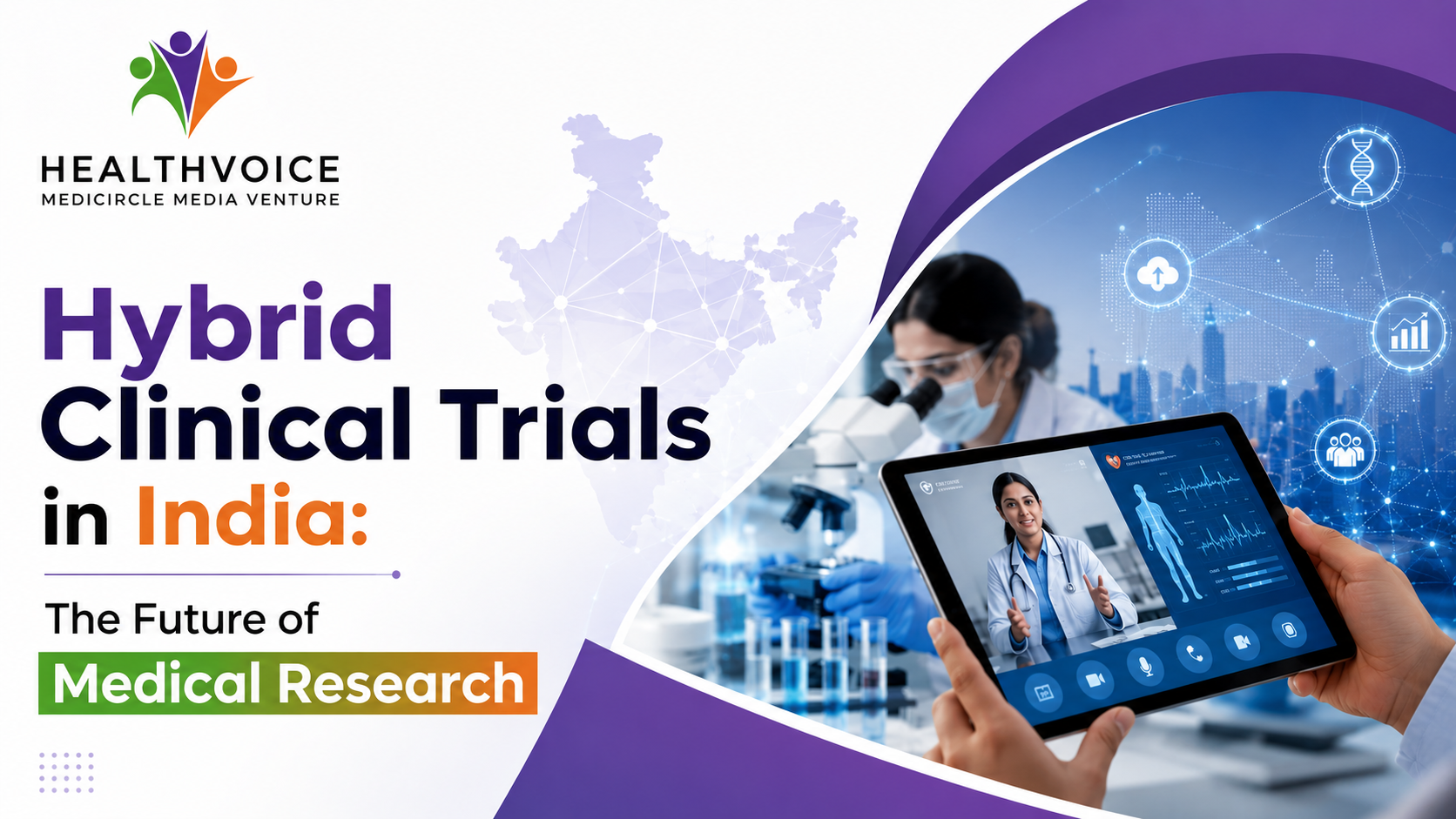
Hybrid clinical trials combine occasional in-person doctor visits with home digital tracking, making medical research more accessible, comfortable, and inclusive for patients across India.
Hybrid Clinical Trials in India
Medical research in India is entering an encouraging new era. For years, testing new treatments meant patients had to travel long, exhausting distances to major hospitals in cities like Delhi or Mumbai. For anyone living outside these massive metropolitan hubs, participating in a study was incredibly stressful, leading many people to drop out before a trial could finish.
Thankfully, the way we conduct clinical studies is getting a major upgrade. By combining occasional in-person doctor visits with smart digital tracking at home, hybrid clinical trials are making it much easier for everyday Indians to take part in medical breakthroughs. This new balance keeps patients comfortable while giving doctors the reliable information they need to save lives.
Understanding Hybrid Trials
A hybrid trial, which is sometimes called a decentralized study, is a flexible approach to medical research. Instead of requiring you to sit in a hospital waiting room every week, it moves the majority of routine check-ups right into your living room using modern technology.
The process relies on simple digital tools to keep you connected with your medical team. Participants use basic smartphone applications, video calls, and simple wearable health trackers to log their recovery. Your research team can review your blood pressure, heart rate, and daily symptoms from miles away, saving you from constant travel.
Phase
Hospital Visit
Home Monitoring
Local Testing
Action
Initial screening, advanced imaging, and main treatments.
Daily vital tracking and wearable sensors.
Blood draws done by a visiting lab tech at your home.
This medical shift does not mean hospitals are out of the picture completely. If a study requires an advanced scan or an intricate medical procedure, you will still visit a specialized facility. However, the routine, day-to-day check-ins are handled entirely through digital tools.
Optimizing Clinical Research Center Operations
Because of our large population and highly skilled doctors, India has always been an important hub for global medical development. Yet, the old system had a major flaw because nearly all research centers were clustered in large metropolitan areas. Modern optimization within a clinical research center now allows for a seamless flow of data between rural patients and urban laboratories.
For a patient living in a smaller town, staying in a long-term study often meant losing daily wages, paying for expensive train tickets, and dealing with physical exhaustion. Because so many people naturally had to quit these trials early, getting new, life-saving drugs approved took much longer.
The rise of affordable smartphones and widespread internet across India has completely changed the game. Indian regulatory groups, such as the CDSCO (Central Drugs Standard Control Organisation), now accept secure digital data, opening the doors for safer, more practical clinical studies nationwide. Furthermore, a modern clinical research organization can seamlessly oversee hundreds of decentralized sites simultaneously.
Stress-Free Patient Participation
The biggest win with a hybrid trial is that it fits into the patient's life, rather than the other way around. Traveling hundreds of kilometers just to answer a basic questionnaire or hand over a blood sample is a massive burden. Hybrid studies remove these hurdles entirely.
Home Care Delivery
Instead of making you travel to get your medication, specialized healthcare couriers deliver the trial treatments directly to your doorstep using temperature-controlled packaging. Furthermore, mobile medical teams can visit your home to collect routine blood samples, protecting your time and energy.
Regional Language Options
Keeping track of how you feel is now as easy as sending a text message. The mobile applications used in these studies feature incredibly simple interfaces, and most importantly, they are available in multiple Indian languages. This ensures that language differences never prevent someone from accessing cutting-edge care.
Safety and Medical Ethics
When you take part in a medical study, your safety is the absolute top priority. In the past, if a patient felt slightly unwell or experienced a minor side effect between hospital visits, they might forget to mention it until their next appointment weeks later. Hybrid trials solve this communication gap while upholding the strictest principles of medical ethics and research ethics.
Because wearable sensors can track your vitals continuously, your research team receives real-time data. If the system flags an unusual reading, your doctor is notified immediately. They can quickly arrange a video call or adjust your medication dosage, resolving minor issues long before they turn into emergencies.
National Healthcare Benefits
Moving toward hybrid research models brings massive advantages to the broader Indian healthcare system, creating positive ripple effects for everyone. Advanced clinical research management platforms ensure that these complex data streams remain secure and clean.
- Fair Representation: Doctors can finally include patients from diverse backgrounds, rural villages, and different states. This choice means the medicines being tested are proven to be safe and effective for all Indians.
- Faster Answers: Because these trials are much more convenient for participants, studies fill up faster and fewer people drop out, helping effective treatments reach pharmacy shelves much sooner.
- Affordable Solutions: Managing a study digitally cuts down on massive hospital administrative costs, which helps pharmaceutical companies lower the eventual price of new therapies.
By modernizing how we collect data, India is proving itself to be a highly innovative and patient-first leader in global medicine.
Managing Technical Challenges
Of course, introducing digital tools to medicine requires careful planning and strict safeguards to ensure everything runs smoothly.
First and foremost is protecting patient privacy. Because personal health details are sent over the internet, research platforms use highly advanced encryption methods to keep your data safe and strictly follow India's digital privacy laws.
The medical industry also works hard to ensure hardware accuracy. The wearable health trackers given to patients must be incredibly precise so that a reading taken at home is just as trustworthy as a test done in a hospital laboratory.
Future Indian Care
The next chapter of Indian medical research is not about replacing doctors with software. It is about using technology to handle the tedious logistics so that medical professionals can spend more time focusing on actual patient care.
As internet access continues to strengthen across rural communities, hybrid trials will become the standard way we conduct research. This progress will ensure that no matter where you live in India, you can easily access the absolute best that modern medicine has to offer.
Frequently Asked Questions
Are hybrid trials safe?
They are often even safer than traditional ones. Because you are using digital tools that update your doctors constantly, your care team can spot potential side effects and adjust your treatment much faster than they could during traditional monthly visits.
Is tech expertise required?
You do not need digital expertise. The applications are built to be as simple as sending a normal text message, and the research staff will walk you through exactly how to use everything in your preferred local language.
Are hospital visits necessary?
Yes, they are required sometimes. You will still need to visit a main hospital or a trusted local clinic for your initial health screenings, advanced medical scans, or complex treatments that cannot be done at home.
Conclusion
Hybrid clinical trials represent a compassionate, common-sense shift in Indian healthcare. By removing the geographical hurdles that used to hold back patients in smaller towns and rural villages, this approach makes life-saving medical research accessible to everyone. As smart health technology becomes a natural part of our daily lives, these flexible trials will ensure that the benefits of modern medical science reach every corner of the country.
Abstract:
Hybrid clinical trials combine occasional in-person doctor visits with home digital tracking, making medical research more accessible, comfortable, and inclusive for patients across India.
 Team Healthvoice
#HybridClinicalTrials #MedicalResearchIndia