How Air Pollution Impacts Lung Health
Air pollution influences respiratory wellness through long-term exposure to airborne particles, poor indoor air quality, and environmental toxins that gradually affect lung function and breathing comfort. Understanding pollution-related respiratory effects, indoor ventilation, and preventive lifestyle patterns helps support healthier lungs and long-term environmental wellness.
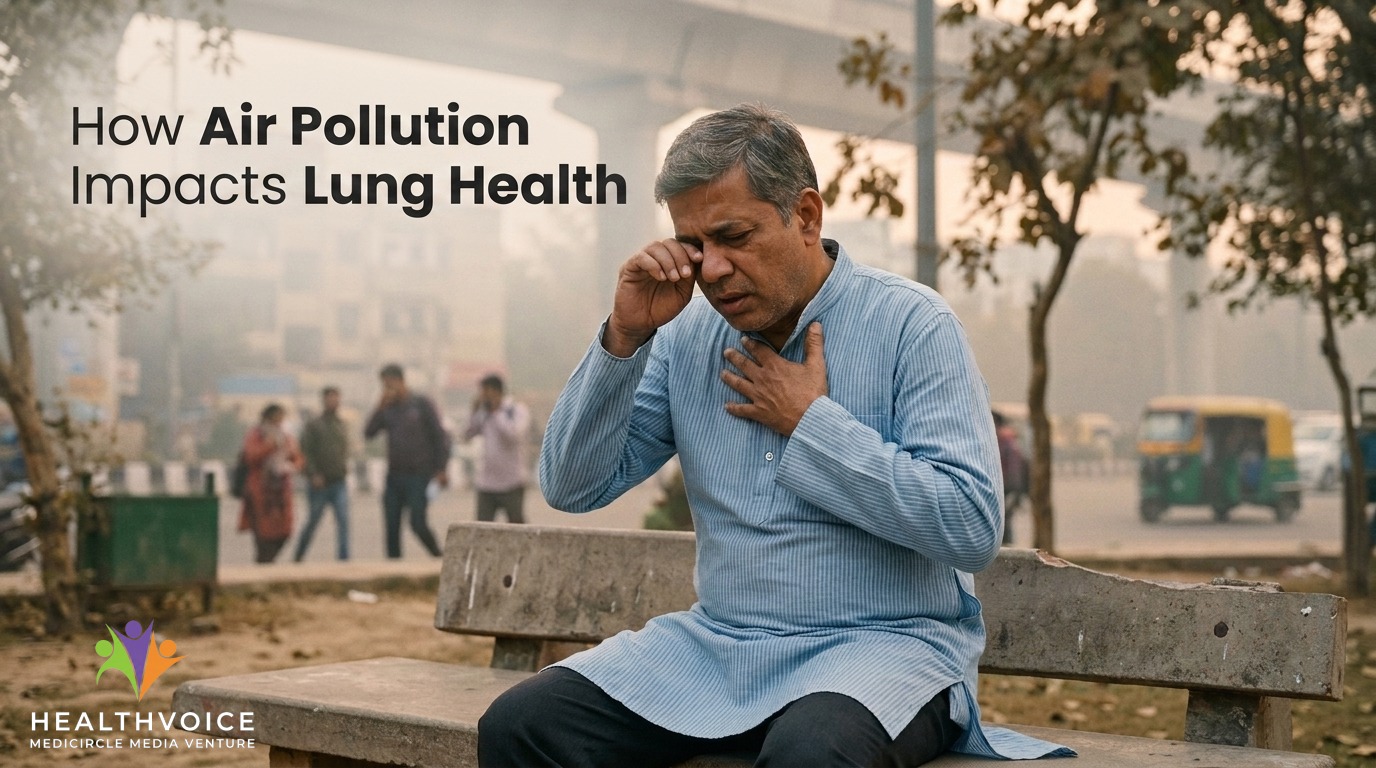
How Air Pollution Impacts Lung Health
Air pollution is no longer limited to industrial zones or crowded urban streets. It has become part of everyday life, affecting homes, workplaces, schools, and even indoor environments. Many people associate pollution with temporary discomfort like coughing or irritation, but the long-term impact on lung health is far more complex. Understanding how air pollution affects breathing, energy levels, and respiratory function helps people make smarter lifestyle, environmental, and health-related decisions in a rapidly changing world.
Why the Lungs React So Strongly to Polluted Air
The lungs are constantly exposed to the outside environment. Unlike other organs protected beneath layers of tissue, the respiratory system directly interacts with the air people breathe every second. This makes the lungs highly sensitive to pollutants such as dust particles, smoke, chemical fumes, and microscopic airborne toxins.
When polluted air enters the respiratory tract, the body attempts to filter harmful particles through mucus and tiny hair-like structures called cilia. However, modern air pollution often contains ultrafine particles that bypass these natural defenses. Over time, repeated exposure creates irritation and inflammation inside the airways.
This process does not always produce immediate symptoms. In many people, the effects develop gradually through persistent coughing, throat irritation, breathing discomfort, or reduced stamina. Urban professionals, students, delivery workers, factory employees, and traffic-exposed populations may all experience different levels of impact depending on exposure duration and lifestyle.
The situation becomes more complicated in colder climates or highly air-conditioned indoor environments where ventilation may already be limited. Pollutants remain trapped indoors longer, increasing continuous respiratory exposure even when people believe they are protected inside buildings.
Understanding the Different Types of Air Pollution
Air pollution is not a single substance. It is a mixture of particles, gases, biological contaminants, and chemical compounds that interact differently with the lungs.
Outdoor pollution commonly includes vehicle emissions, industrial smoke, construction dust, and wildfire particles. Indoor pollution may involve cooking fumes, cleaning chemicals, mold spores, cigarette smoke, and poor ventilation systems.
How Different Pollutants Affect the Respiratory System
- Fine particulate matter reaches deep into lung tissuesTiny particles known as PM2.5 are small enough to travel deep into the lungs and sometimes even enter the bloodstream. Long-term exposure can increase respiratory irritation and reduce overall lung efficiency, especially in crowded urban environments.
- Nitrogen dioxide and ozone irritate breathing passagesThese gases are often linked to traffic congestion and industrial activity. They may trigger coughing, chest tightness, and discomfort during physical activity, particularly among children and older adults.
- Indoor pollutants create continuous low-level exposurePoor indoor air quality often goes unnoticed because symptoms appear slowly. Cooking smoke, synthetic fragrances, and poorly maintained ventilation systems can affect breathing patterns over time.
- Seasonal and climate conditions influence pollution intensityDry weather, winter inversions, and heat waves can trap pollutants close to the ground. This increases exposure levels and affects how the respiratory system responds to daily air quality changes.
Understanding these differences helps explain why two people living in the same city may experience pollution differently depending on occupation, lifestyle, and living conditions.
Early Signs That Lung Health May Be Affected
One of the biggest challenges with air pollution is that the early symptoms often appear mild or unrelated. Many individuals normalize breathing discomfort because the changes happen gradually.
A person may begin experiencing throat dryness during commutes, coughing after outdoor exposure, or fatigue during activities that previously felt manageable. Others notice irritation during exercise, difficulty taking deep breaths, or recurring respiratory sensitivity during seasonal changes.
The lungs also react differently depending on age and existing health conditions. Children are particularly vulnerable because their lungs are still developing. Older adults may experience reduced respiratory resilience, while people with allergies or asthma often react more strongly to environmental pollutants.
Subtle Respiratory Changes That Often Go Ignored
- Reduced exercise tolerance develops slowly over timePeople exposed to polluted environments may notice they become tired faster during walking, climbing stairs, or physical activity. This often happens before obvious respiratory symptoms appear.
- Persistent irritation may seem temporary at firstMild coughing, throat irritation, or occasional chest discomfort are frequently dismissed as weather-related issues, even when pollution exposure is the underlying factor.
- Sleep quality can be affected by poor air qualityPolluted indoor environments sometimes contribute to nighttime congestion, dry airways, and interrupted breathing patterns, particularly in poorly ventilated spaces.
- Respiratory sensitivity increases during seasonal transitionsWeather shifts can worsen pollution effects because temperature and humidity influence how pollutants behave in the atmosphere.
Recognizing these early patterns is important because long-term respiratory strain often develops gradually rather than suddenly.
How Air Pollution Influences Long-Term Lung Function
The long-term impact of air pollution depends on exposure frequency, environmental conditions, and personal health patterns. Continuous inhalation of pollutants keeps the respiratory system under stress, making recovery more difficult over time.
Inflammation inside the lungs can gradually affect airway flexibility and oxygen exchange efficiency. In practical terms, this means the lungs may need to work harder to perform normal functions. Some individuals experience chronic respiratory discomfort, while others develop heightened sensitivity to allergens or environmental triggers.
The effect becomes more visible among people living in heavily industrialized areas or working in pollution-heavy occupations. Construction workers, traffic personnel, delivery workers, and factory employees often face repeated exposure that compounds gradually over years.
Students and remote workers may also experience indoor exposure issues caused by poor ventilation, synthetic materials, or extended time inside enclosed spaces. Modern lifestyles increasingly blur the line between outdoor and indoor pollution exposure.
Why Children and Young Adults Are Especially Vulnerable
Children inhale more air relative to body size compared to adults, which increases pollutant exposure. Their respiratory systems are still developing, making them more sensitive to environmental toxins.
Young adults may appear healthier externally, but long-term exposure during education, commuting, and early professional life can still influence respiratory resilience later in adulthood.
Schools near high-traffic roads, densely populated residential zones, and poorly ventilated indoor environments can increase exposure levels significantly. In many cases, the effects are subtle and develop over long periods.
The growing use of digital lifestyles also means more time indoors, where air quality may not always be healthier than outdoor conditions.
Indoor Air Quality and the Modern Lifestyle Problem
Many people assume staying indoors protects lung health completely. In reality, indoor air pollution has become a major concern in modern living environments.
Air-tight buildings, synthetic furniture materials, cleaning products, and limited ventilation often create environments where pollutants accumulate continuously. Remote work culture and long indoor hours increase exposure further.
Air conditioning systems may circulate pollutants repeatedly if filters are poorly maintained. Cooking oils, aerosol sprays, and smoke particles can also remain suspended indoors longer than expected.
This creates a situation where individuals experience continuous low-level exposure without noticing immediate symptoms. Over time, the respiratory system adapts poorly to these environments, increasing long-term discomfort.
Practical Ways to Reduce Pollution Exposure
Reducing exposure does not always require dramatic lifestyle changes. Small adjustments often create meaningful improvements over time.
Daily Habits That Help Protect Lung Health
- Improving ventilation reduces indoor pollutant buildupOpening windows during lower traffic hours and maintaining airflow helps improve indoor air circulation. Clean ventilation systems also reduce repeated pollutant exposure.
- Monitoring air quality supports better planningChecking local air quality conditions before outdoor exercise or commuting helps people make smarter daily decisions, especially during high-pollution periods.
- Using cleaner cooking and household practices helps reduce indoor pollutionReducing smoke exposure from cooking oils, aerosols, and chemical cleaners supports healthier breathing environments indoors.
- Balancing outdoor activity timing lowers direct exposureExercising away from traffic-heavy periods or choosing greener spaces may help reduce inhalation of concentrated pollutants.
These approaches are practical because they focus on reducing cumulative exposure rather than creating unrealistic avoidance strategies.
The Growing Importance of Environmental Awareness
Air pollution is increasingly becoming both a public health issue and a lifestyle concern. Businesses, educational institutions, urban planners, and families are all beginning to recognize how environmental conditions influence long-term respiratory wellness.
Modern consumers are also becoming more aware of indoor air quality products, ventilation technologies, cleaner transport systems, and sustainable urban design. This shift reflects a broader understanding that lung health is influenced not only by medicine, but also by daily environmental decisions.
The future of respiratory wellness will likely depend on how effectively societies adapt to changing environmental conditions while balancing urban growth, industrial development, and public health priorities.
Conclusion
Air pollution affects lung health through continuous exposure that often develops gradually rather than suddenly. Understanding how pollutants interact with the respiratory system helps people recognize early symptoms, improve environmental awareness, and make better daily decisions.
Simple lifestyle adjustments, cleaner indoor practices, and awareness of air quality patterns can reduce long-term respiratory strain. As pollution becomes a more visible part of modern life, protecting lung health increasingly depends on informed habits, balanced environments, and practical prevention strategies.
Frequently Asked Questions (FAQs)
1. How does air pollution affect lung health over time?
Long-term exposure to polluted air gradually irritates the respiratory system and affects overall breathing efficiency. Tiny airborne particles can enter deep into the lungs, creating inflammation and reducing oxygen exchange. Understanding these environmental health effects and improving indoor air quality can help reduce long-term respiratory strain.
2. What are the early symptoms of pollution-related lung problems?
Early signs often include coughing, throat irritation, breathing discomfort, and reduced stamina during physical activity. These symptoms may appear slowly and are commonly ignored in busy urban lifestyles. Recognizing these respiratory wellness patterns and improving air quality awareness helps people respond earlier.
3. Why are some people more sensitive to air pollution than others?
Sensitivity depends on factors such as age, existing respiratory conditions, occupation, and daily exposure levels. Children, older adults, and people exposed to traffic or industrial environments often react more strongly. Differences in the respiratory system response and overall lung function health also influence how pollution affects individuals.
4. Can indoor air pollution be as harmful as outdoor pollution?
Yes, indoor pollution can sometimes become equally concerning because pollutants remain trapped in enclosed environments. Cooking fumes, smoke particles, and poor ventilation may affect breathing gradually over time. Maintaining better indoor ventilation habits and supporting clean air environments can improve respiratory comfort significantly.
5. How does air pollution affect people who exercise outdoors regularly?
Outdoor exercise during high pollution periods increases the amount of polluted air entering the lungs. This may lead to breathing discomfort, throat irritation, or faster fatigue during workouts. Monitoring air quality conditions and adjusting outdoor activity patterns helps reduce unnecessary respiratory stress.
6. What role does climate play in pollution-related breathing problems?
Weather conditions influence how pollutants behave in the atmosphere. Heat waves, dry conditions, and winter inversions often trap pollutants closer to the ground, increasing exposure. Understanding these environmental exposure patterns and seasonal air pollution effects helps people make better daily decisions.
7. Can poor air quality affect sleep and energy levels?
Yes, poor air quality may contribute to nighttime congestion, breathing discomfort, and interrupted sleep patterns. Over time, this can affect focus, productivity, and energy during the day. Improving indoor breathing environments and maintaining healthier air circulation habits supports better overall wellness.
8. How do businesses and workplaces contribute to respiratory exposure?
Workplaces with poor ventilation, chemical exposure, or continuous indoor air circulation may increase long-term respiratory strain. Employees spending extended hours in enclosed environments may experience gradual discomfort. Better workplace air management and improved environmental wellness practices help create healthier professional spaces.
9. Are children more vulnerable to air pollution than adults?
Children are generally more vulnerable because their lungs are still developing and they breathe more rapidly relative to body size. Continuous exposure during early years may influence long-term respiratory resilience. Supporting child respiratory health and improving clean air habits helps reduce unnecessary exposure.
10. What daily habits help protect lungs from air pollution?
Simple habits such as maintaining ventilation, reducing smoke exposure, and monitoring pollution levels can support healthier breathing. Choosing cleaner indoor environments and balancing outdoor activity timing also helps reduce cumulative exposure. These practical pollution prevention strategies and lung health support habits contribute to better long-term respiratory wellness.
 Team Healthvoice
#AirPollution #LungHealth