Keyhole Revolution: The Surgical Shift
Minimally invasive surgery is transforming Indian healthcare by replacing large incisions with precision techniques. These advances ensure faster recovery, less pain, and better access to modern treatments for families.
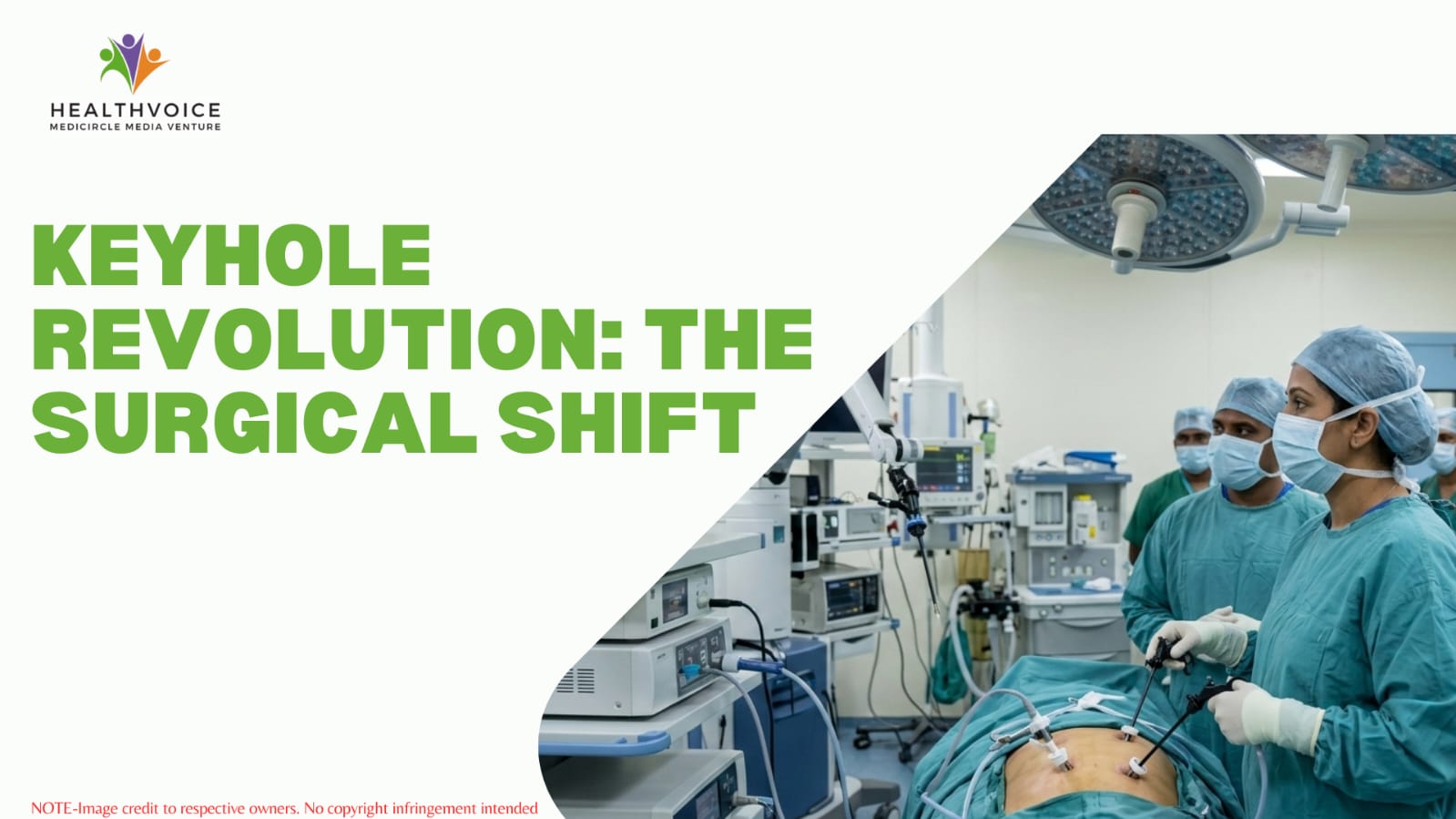
For a long time, the word surgery in India carried a heavy weight. It usually meant a large and painful incision, a week or more spent in a hospital bed, and a long, difficult road to getting back on your feet. However, over the last ten years, the way we think about surgical care has shifted dramatically. Across the country, from high technology hospitals in Mumbai and Delhi to growing clinics in smaller towns, a more refined approach is taking over. This is the era of minimally invasive surgery, and it is fundamentally changing the patient experience for the better.
The Keyhole Approach:
Commonly known as laparoscopic or keyhole surgery, minimally invasive techniques have moved from being a specialized option to the standard way of doing things. Whether it is removing a gallbladder, fixing a hernia, or performing complex abdominal work, the goal has moved beyond just treating the illness. Today, the priority is to fix the problem while causing as little disruption to the rest of the body as possible.
Instead of one large opening, surgeons now work through a few tiny entry points, often no wider than a pencil. A miniature camera, the laparoscope, sends a high definition, magnified image to a monitor. This provides the surgical team a view that is often sharper and more detailed than what the naked eye could see in traditional surgery.
Benefits for Patients:
In India, where life moves fast and family responsibilities are paramount, the benefits of this surgical shift are very practical. Smaller wounds are much easier to manage and less likely to get infected. This is particularly important in the warm and humid environment of the country.
Less cutting also results in much less physical trauma. Most patients find they need far fewer painkillers and can move around comfortably much sooner. One of the most significant changes is the rise of day care surgery. It is now common for a patient to walk into the hospital in the morning, have their procedure, and be back in their own bed by dinner time. Recovering at home, eating familiar food, and being with family does not just feel better. It actually helps people heal much faster.
Robots and Technology:
The evolution has not stopped at laparoscopy. We are now seeing the widespread use of robotic assisted surgery. It is important to remember that the robot is not doing the surgery. It is a highly advanced tool controlled entirely by a skilled surgeon. The robotic arms can move with a range and precision that human hands simply cannot match. This technology filters out tiny tremors and allows for incredibly delicate work around nerves and blood vessels.
Additionally, new techniques like fluorescence imaging are becoming common. Surgeons use a special and safe dye that glows under certain lights. This helps them see blood flow or distinguish between healthy and diseased tissue in real time. This extra layer of vision makes surgeries safer and more predictable than ever before.
Innovation in India:
What makes this progress truly special is how it has been adapted for the Indian context. The medical community is famous for frugal innovation. This involves taking global technology and making it work efficiently for a large and diverse population.
For instance, single incision surgery allows an entire operation to be done through the navel. This leaves almost no visible scar. Moreover, as training and equipment become more accessible, these advanced surgeries are no longer restricted to big city hospitals. Having these options available locally saves families the immense stress and cost of traveling long distances for quality care.
A Transparent Recovery:
Modern surgery is also breaking down the wall between the doctor and the patient. Today, surgeons often use 3D models or digital animations to explain exactly what will happen during a procedure. When you can see that a tiny keyhole will solve a major problem, the fear of the unknown starts to fade.
This transparency turns the patient from a passive participant into an informed partner in their own recovery. It is no longer about going under the knife in a frightening way. It is about using the best technology available to get back to your normal life as quickly as possible.
The Future Outlook:
As we look toward the future, with the potential for artificial intelligence assisted diagnostics and even more portable surgical tools, the outlook for Indian healthcare is bright. These advancements ensure that surgery is no longer a life altering ordeal. It is a manageable step toward a healthier future. By understanding these modern options, you can make decisions that focus on a faster, safer, and more comfortable path to wellness.
 Team Healthvoice
#MinimallyInvasiveSurgery #LaparoscopicSurgery #KeyholeSurgery #RoboticSurgery #SurgicalInnovation #HealthcareIndia #MedicalInnovation #PatientCare #SurgicalTechnology #AdvancedSurgery #HealthcareTransformation #FutureOfSurgery #MedicalTechnology #SafeSurgery #healthvoice
