Public-Private Partnerships in Rural Eye Care
In rural eye care, public and private hands are joining forces. Access remains a challenge. Partnerships bring hope—but also questions. Are they the solution or just another patch?
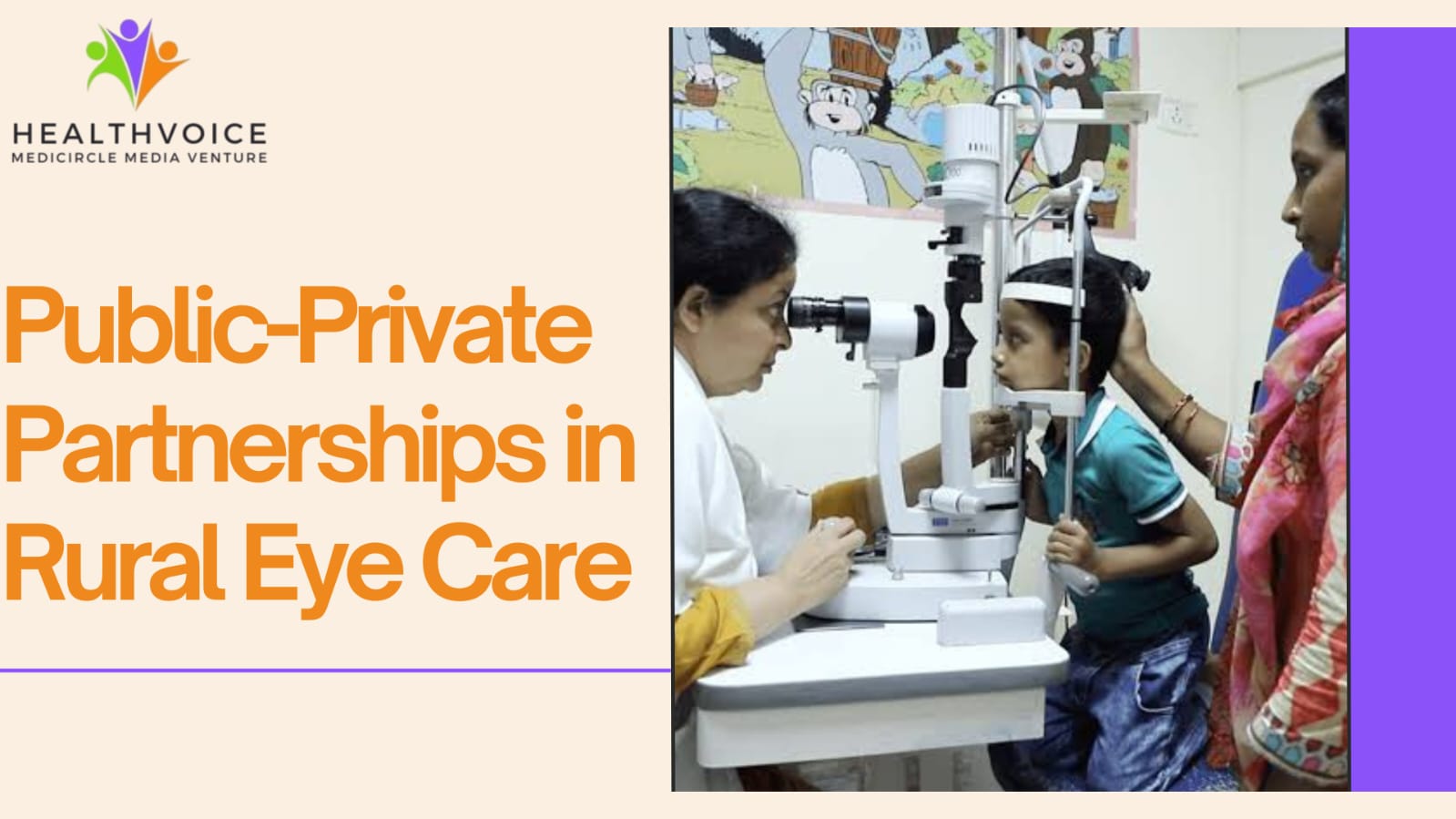
Can good vision reach the last village? Millions in rural areas still struggle with preventable blindness. Clinics are far. Specialists are few. Government alone can’t do it all. Private players step in. But how far can this partnership go?
Two Sides, One Goal
Governments bring reach. They know the land, the people, the systems. Private firms bring speed. They bring tools, tech, and training. Together, they try to fill the gap. But it’s not always smooth.
How It Usually Works
In many partnerships, the pattern repeats:
● Public side provides land, subsidies, or manpower
● Private side sets up clinics, eye camps, or mobile vans
● Local NGOs often bridge the gap—between patients and providers
● Outcomes are tracked, reports are filed, contracts reviewedThe model sounds easy. But execution decides the impact.
What They’re Trying to Fix
Rural areas face:
● No nearby eye hospitals
● Long waits and referral chains
● Lack of trained staff
● Expensive surgeries or diagnostics
● No awareness about cataracts or glaucomaPeople often live with low vision—thinking it’s just age. Kids miss school. Farmers stop working.And all of it was preventable.
Where It Falls Short
Not all partnerships work.
● Sometimes, profit overshadows purpose
● Some clinics close once funding dries up
● Equipment arrives, but specialists don’t
● Villages get screened, but not treatedThe gap shifts—not always shrinks.Patients might get diagnosed. But they still have to travel far for surgery. Or pay more than theycan afford.
The Quiet StrengthsStill, small wins show promise.
● Cataract surgeries done in bulk at low cost
● Vision centers opened inside schools and PHCs
● Local youth trained to do basic screening
● Eye camps creating awareness, not just prescriptionsWhen done right, lives improve. Not overnight—but visibly.
The Real Test: Long-Term Impact
Are rural eye care services improving year after year? Or just when a project is active? Is databeing used to improve outreach? Or just to fill annual reports?If the system fades when funding ends—it wasn’t built to last.
Conclusion
Public-private partnerships in rural eye care offer a way forward. But no one can afford short-term fixes anymore. Access must be permanent. Support must be local. Vision must reach everyone—not just during a camp.Because clear sight shouldn’t depend on where you live.
#VisionForAll #EyeHealthMatters #PreventBlindness #HealthcareForAll #DonateEyesSaveLives #EyeCareRevolution #RuralHealth #SustainableHealthCare #healthvoice
