Role of Multidisciplinary Teams in Improving Patient Outcomes
Multidisciplinary teams improve patient outcomes by combining diverse expertise, ensuring consistent communication, and fostering faster recovery. This collaborative approach provides holistic care that addresses both physical and mental health.
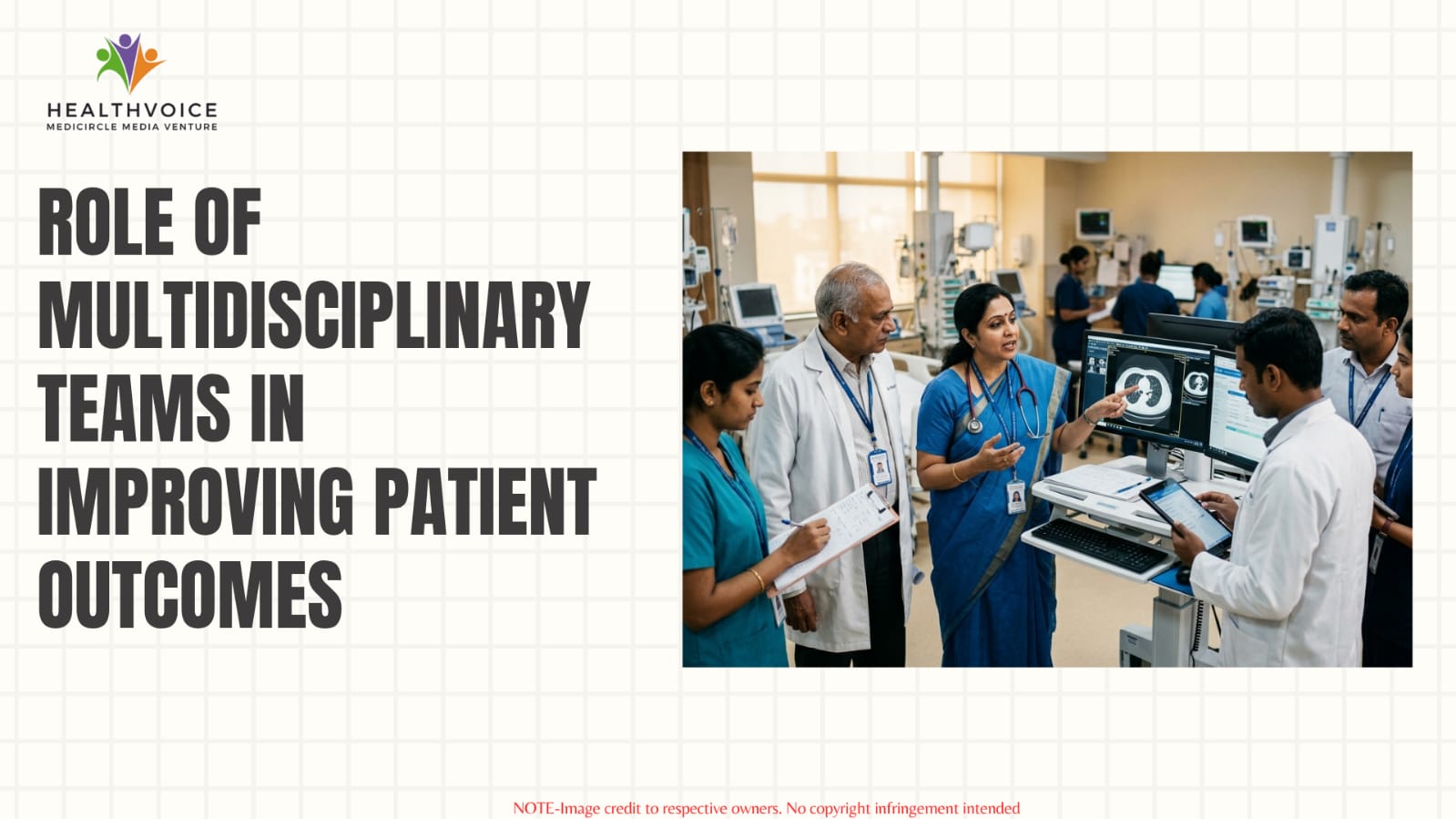
H1: Role of Multidisciplinary Teams
The traditional image of a single physician making every medical decision is rapidly fading into the past. As medical science becomes increasingly specialized, the model of care has shifted to meet the needs of a modern society. Today, the most effective method for treating a patient involves a multidisciplinary team. This strategy is especially vital when managing chronic illnesses or complex medical cases. This approach is not merely about increasing the number of doctors in a room. It is about building a coordinated circle of experts who collaborate to ensure that every detail of the health of a patient is addressed.
In India, many families currently manage long term conditions such as heart disease or diabetes alongside unexpected medical emergencies. For these individuals, the shift toward collaborative care is a significant advantage. This model moves the focus away from treating isolated symptoms and directs it back toward the person as a whole.
H2: Benefits of Multiple Perspectives
When a diverse team of specialists manages a medical case, the patient receives a comprehensive view of their health. A typical team may include a primary physician, a surgeon, a nurse, a pharmacist, a physiotherapist, and a dietitian. Each professional provides a unique perspective to the treatment plan.
H3: Technical and Clinical Precision
A surgeon focuses on the technical success of a procedure while a clinical pharmacist ensures that post surgery medications do not react poorly with existing prescriptions. Simultaneously, a physiotherapist works on restoring the physical mobility of the patient. In the busy healthcare environment of India, this collective oversight acts as a vital safety net. It prevents dangerous medical errors and ensures that the treatment plan is both safe and effective for the individual.
H2: Improving the Family Experience
One of the greatest frustrations for patients and their families is receiving conflicting advice from different medical specialists. It can feel as though one is being moved from one clinic to another without a clear map for the journey. A team based approach resolves this issue by establishing a single and unified voice for the patient.
H3: Clear Communication Channels
When the medical team communicates internally before they speak with the family, the instructions provided become consistent and easy to follow. This coordination is particularly important in the Indian context where the family serves as the primary support system. When the household understands the recovery plan clearly, stress levels decrease significantly. The patient feels more secure and supported, which leads to a much better overall experience during the healing process.
H2: Achieving Faster Patient Recovery
Efficiency in a hospital setting is not only about saving time but also about returning the patient to their daily life. Because a multidisciplinary team meets regularly to review progress, they can make adjustments to the care plan in real time. If a patient recovers faster than expected, the team can coordinate with a nutritionist and a home care nurse to facilitate a safe discharge.
H3: Reducing Financial Burdens
Data indicates that hospitals using this collaborative model tend to have shorter stays and fewer readmissions. For many Indian families, this efficiency also translates to a lower financial burden. Avoiding unnecessary days in the hospital and redundant medical testing keeps the overall costs of healthcare more manageable for the average citizen.
H2: Supporting Mind and Body
Modern medicine now recognizes that physical healing is only one part of the recovery process. The mental and emotional toll of a serious illness or major surgery can be incredibly heavy for anyone to bear. A truly modern multidisciplinary team often includes counselors or mental health professionals to provide emotional support.
H3: Holistic Well-being Approaches
In our society, people are finally beginning to speak openly about the importance of mental well-being. Having a counselor as part of the medical team ensures that anxiety or depression is addressed before it can slow down physical recovery. When a patient feels emotionally supported, they are more likely to stay motivated and adhere to their prescribed diet and physical therapy.
H2: Future of Indian Healthcare
The medical community is moving away from a world where doctors work in isolation and toward a future defined by professional partnership. This evolution is supported by digital platforms like HealthVoice that provide the tools and clinical insights necessary for specialists to stay connected. By bridging the gap between different medical branches, the system becomes more transparent and effective.
The true success of healthcare in India will not come from expensive machines alone. It will come from how well the experts communicate with one another. When every professional is heard, the patient becomes the ultimate winner in the journey toward health.
 Team Healthvoice
#PatientCare #HealthcareInnovation #FutureOfHealthcare #HealthcareTransformation #PatientExperience #HealthOutcomes #PatientExperience #healthvoice
