When Healing Hurts: The Crisis of Medical Leadership in Madhya Pradesh
The healing touch that medical professionals extend to their patients must be reciprocated by the institutions they serve, ensuring that those who dedicate their lives to healing others are themselves not left wounded by the very system they uphold.
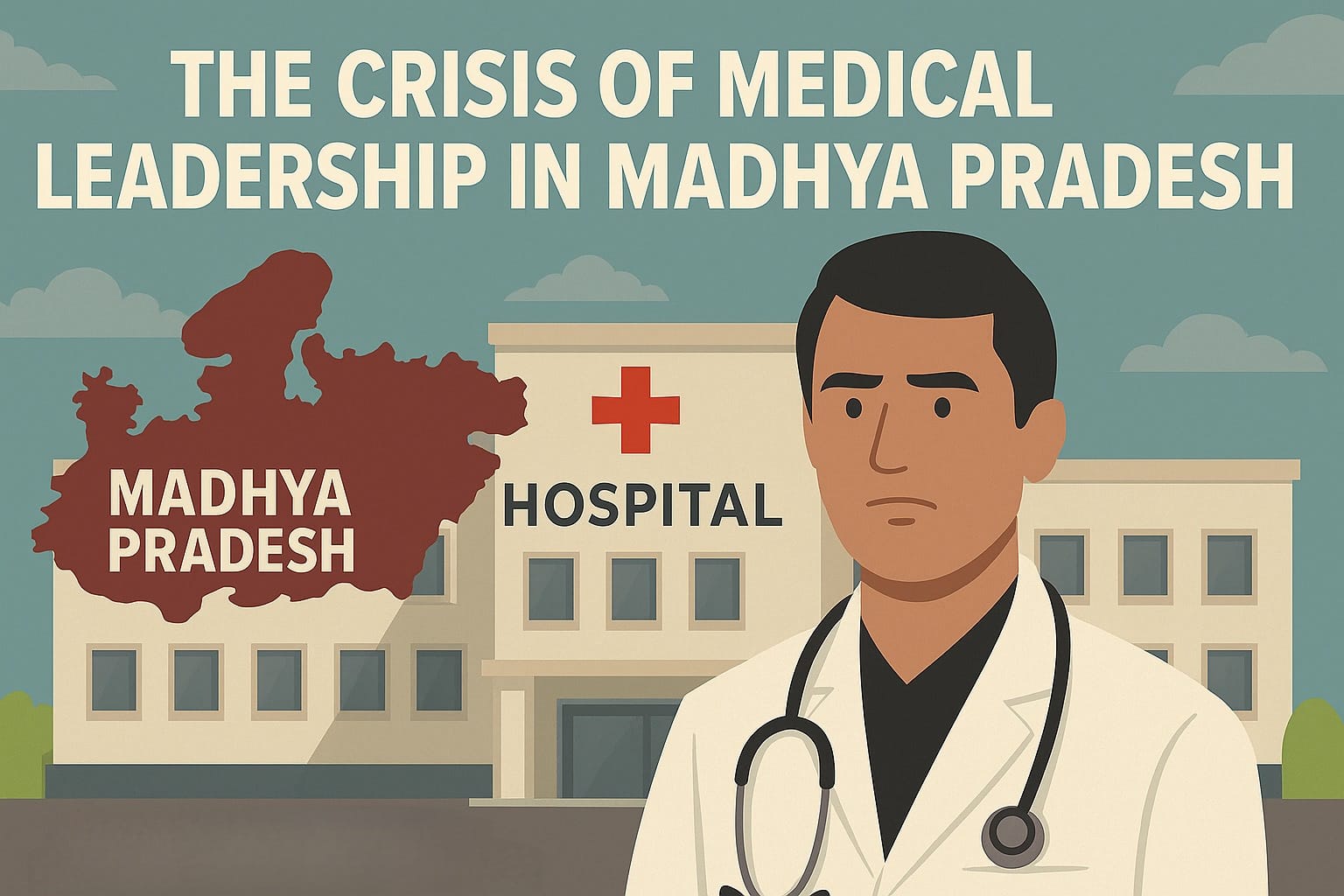
In the heart of Madhya Pradesh, a storm brews not in the skies but within the hallowed halls of its medical institutions. The recent appointment of Dr. Aruna Kumar as the Director of Medical Education (DME) has ignited a firestorm of protests across the state's government medical colleges. This unrest is not merely about a position; it is a manifestation of deeper, systemic issues that have long plagued the medical education system.
The catalyst for this upheaval traces back to a tragic incident in 2023. A young, pregnant postgraduate medical student at Gandhi Medical College (GMC) in Bhopal took her own life, leaving behind a note that pointed fingers at a toxic work environment and specific individuals, including Dr. Kumar, who was then the Head of the Department of Obstetrics and Gynaecology. The note alleged harassment and a lack of support during a critical period in the student's life.
In the aftermath, junior doctors and medical faculty across the state donned black bands, symbolizing their dissent and mourning. Their message was clear: leadership must be accountable, and the well-being of medical students and professionals cannot be compromised. The Federation of Resident Doctors Association (FORDA) echoed these sentiments, urging the state authorities to reconsider the appointment in light of the past controversies.
The protests are not isolated incidents but part of a broader narrative of systemic issues within the medical education system. Reports have surfaced of resident doctors facing grueling work hours, sometimes extending beyond 36 hours without adequate rest, and a culture that often dismisses their grievances. Such conditions not only jeopardize the health of the medical professionals but also the quality of care provided to patients.
The appointment of Dr. Kumar, given the allegations and the unresolved issues surrounding the 2023 incident, is seen by many as a disregard for the concerns of the medical community. It raises questions about the criteria for leadership roles in medical institutions and the mechanisms in place to address grievances and ensure accountability.
Moreover, the protests highlight the urgent need for systemic reforms. Medical institutions must prioritize the mental and physical well-being of their staff. Implementing structured work hours, providing mental health support, and establishing transparent grievance redressal mechanisms are essential steps toward creating a healthier work environment.
The situation in Madhya Pradesh serves as a microcosm of the challenges faced by medical professionals across the country. It highlights the importance of ethical leadership, accountability, and the need to build an environment where medical professionals can thrive without fear of harassment or neglect.
As the state navigates this crisis, it is imperative for the authorities to engage in meaningful dialogue with the medical community, address their concerns, and take decisive actions that reflect a commitment to ethical governance and the well-being of its healthcare providers. The healing touch that medical professionals extend to their patients must be reciprocated by the institutions they serve, ensuring that those who dedicate their lives to healing others are themselves not left wounded by the very system they uphold.
 Sunny Parayan
#MedicalCrisis #DoctorProtests #EthicalLeadership #SupportDoctors #HealthcareReform #MedProtests #MedicalLeadership #HealthcareAccountability #JusticeForDoctors #HealthcareReform #MedicalEthics #healthvoice