Burnout signals clinicians often ignore
Burnout among healthcare professionals often develops quietly through physical, emotional and behavioral changes. Recognizing early warning signs is essential to protect clinician’s wellbeing and maintain safe, compassionate patient care.
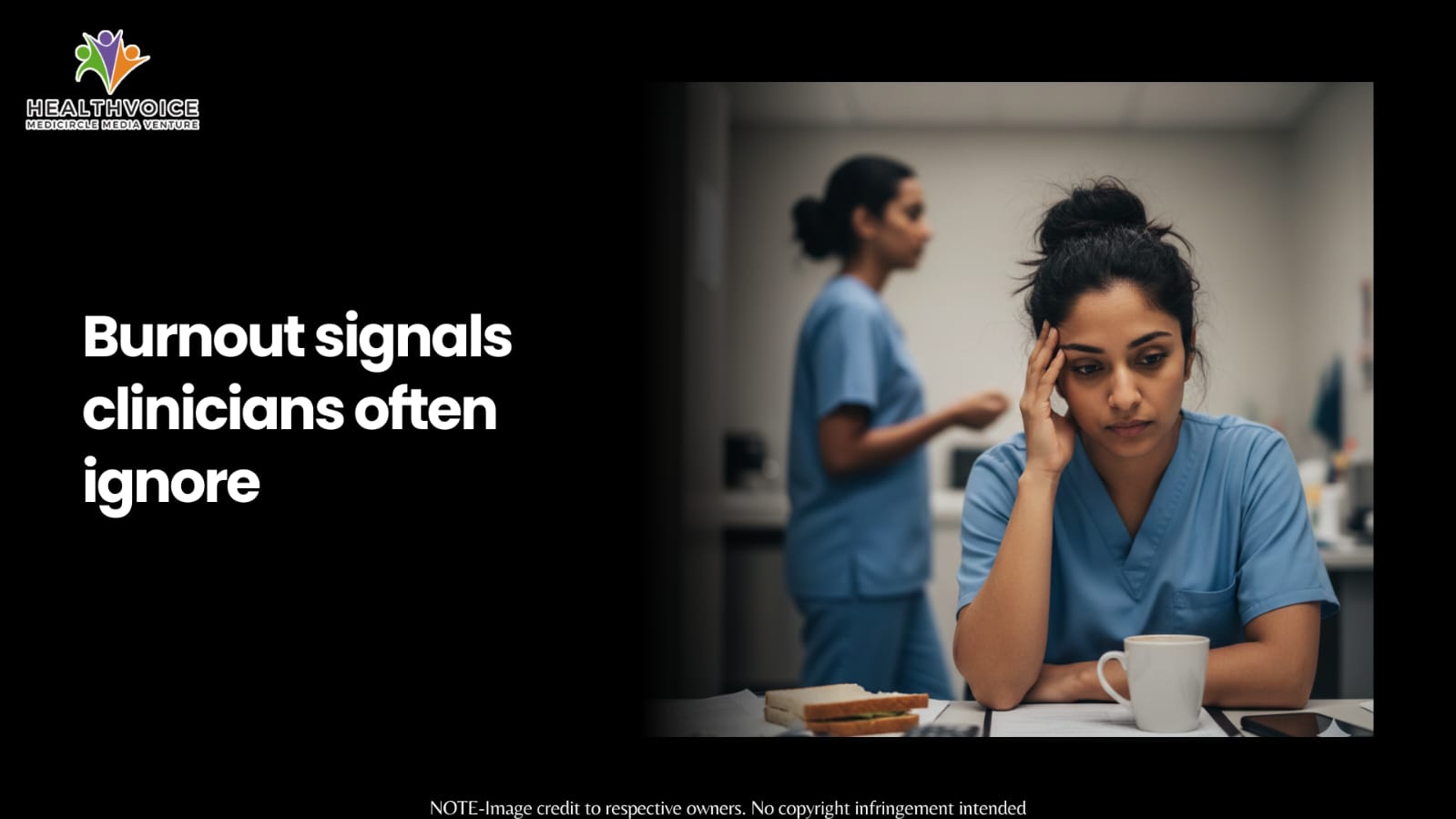
There is a rhythm to life in an Indian hospital. A constant hum of activity, the swift movement of white coats and sarees, the intense focus on the person in the bed. In this world where caring for others is the highest calling, a simple truth gets lost: the caregiver is human too. A slow, quiet wave of exhaustion and burnout is washing over our clinics and wards. It hides behind a smile and a sense of duty. And its earliest signs? We are masters at overlooking them.
We often say we are just tired. But burnout is a different beast. It is not about a long shift; it is the heavy feeling that follows you home and greets you in the morning. It is a state of mind where emotional reserves run dry, where you start to feel disconnected from your work and where doubts about your own impact creep in. Your body and mind send clear messages long before you hit a wall. Let us talk about those missed signals.
Listen to your body:
Our bodies have a way of sounding the alarm. We just blame the wrong things.
The tiredness that sticks: Everyone is fatigued, but when a full night’s sleep does not touch the sides of your exhaustion and you feel drained at a bone deep level, take note. This is not normal tiredness; it is a core symptom.
Mysterious pains and shifts: That recurring headache, the upset stomach that has become routine, losing your appetite or craving junk, sleeping too much or lying awake, your body is translating stress into physical language.
Catching every cold: When you seem to pick up every minor infection doing the rounds, it is a classic sign. Chronic stress quietly weakens your immune system’s defenses.
Emotional weather inside:
We dismiss our changing emotions as professional hazards. Of course I am stressed, we think. But when these feelings set up permanent camp, it is time to look closer.
The heart grows distant: Remember the patient who made you smile? If cases now feel only like files and people feel like problems on a list, that is a warning. This detachment, often paired with unexpected irritability is a shield your mind creates.
The purpose fades: That powerful sense of mission that guided you through medical school can dim. You might ask yourself, does any of this even matter? When small successes no longer bring a flicker of joy, the spark is guttering.
The dread before duty: Feeling a knot of anxiety or a hollow numbness on your way to work is not just Monday blues. It is your psyche telling you it is running on empty.
Changes your family sees:
Often, our loved ones are the first witnesses. They see what we cannot.
The great withdrawal: You start saying no to family dinners, to meeting friends, to the hobby that once refreshed you. The world outside the hospital begins to feel like another exhausting chore.
Quick fixes become crutches: Needing that extra strong coffee just to start, smoking more, or that evening drink becoming a non-negotiable ritual to switch off, these are red flags.
The short fuse: Snapping at a junior over a small mistake or feeling constantly annoyed by colleagues, often means your emotional bandwidth is completely used up.
Signs at your desk:
The workplace tells its own story. These are not failures; they are cries for help from an overwhelmed system.
Body present, mind absent: You are at the hospital, but you are just going through the motions. Mistakes might slip in or you might bury yourself in work to prove you are fine. Both are sides of the same coin.
Finding reasons to stay away: Suddenly, you are running late often, leaving early or that niggling pain is enough to call in sick. It is an unconscious flight from the source of stress.
The nagging doubt: That feeling that your clinical sharpness is not what it was or missing small details is perhaps the most serious sign. It means burnout is affecting not just you, but the very care you provide.
Why we stay silent:
In our Indian medical culture, the reasons run deep. We wear exhaustion as a badge of honor, a proof of our commitment. Talking about mental strain feels like admitting weakness, with fear of gossip or professional judgement keeping us silent. Many simply do not know that this collection of aches, dread and detachment has a name: burnout.
From seeing to solving:
Noticing these signs is the bravest first step. It is not a failure; it is a diagnosis. The culture needs to move from bear it silently to heal it actively.
For the clinician, it starts with self-permission: permission to rest without guilt, to seek a trusted counsellor, to talk honestly with a colleague. For hospitals, the need is urgent: realistic workloads, accessible mental health support for staff and leadership that openly values wellbeing.
This is where a platform like HealthVoice finds its crucial role. It shines a light on these unspoken struggles, fostering a community where healing the healer is recognized as essential. That faint signal from your body or that quiet shift in your spirit, pause and heed it. Listening to yourself might be the most critical consultation of the day. Your health is the foundation of every life you care for; protect it.
 Team Healthvoice
#DoctorLife #NurseLife #HealthcareHeroes #WorkplaceWellbeing #MedicalCommunity #EmotionalHealth #HealthcareIndia #IndiaHealth #HealthWorkforce #SelfCare #HealthVoice