Leadership skills clinicians need today
Indian clinicians are increasingly required to balance clinical expertise with leadership, communication, adaptability and ethics, shaping patient centered care and stronger healthcare teams in a complex, evolving system.
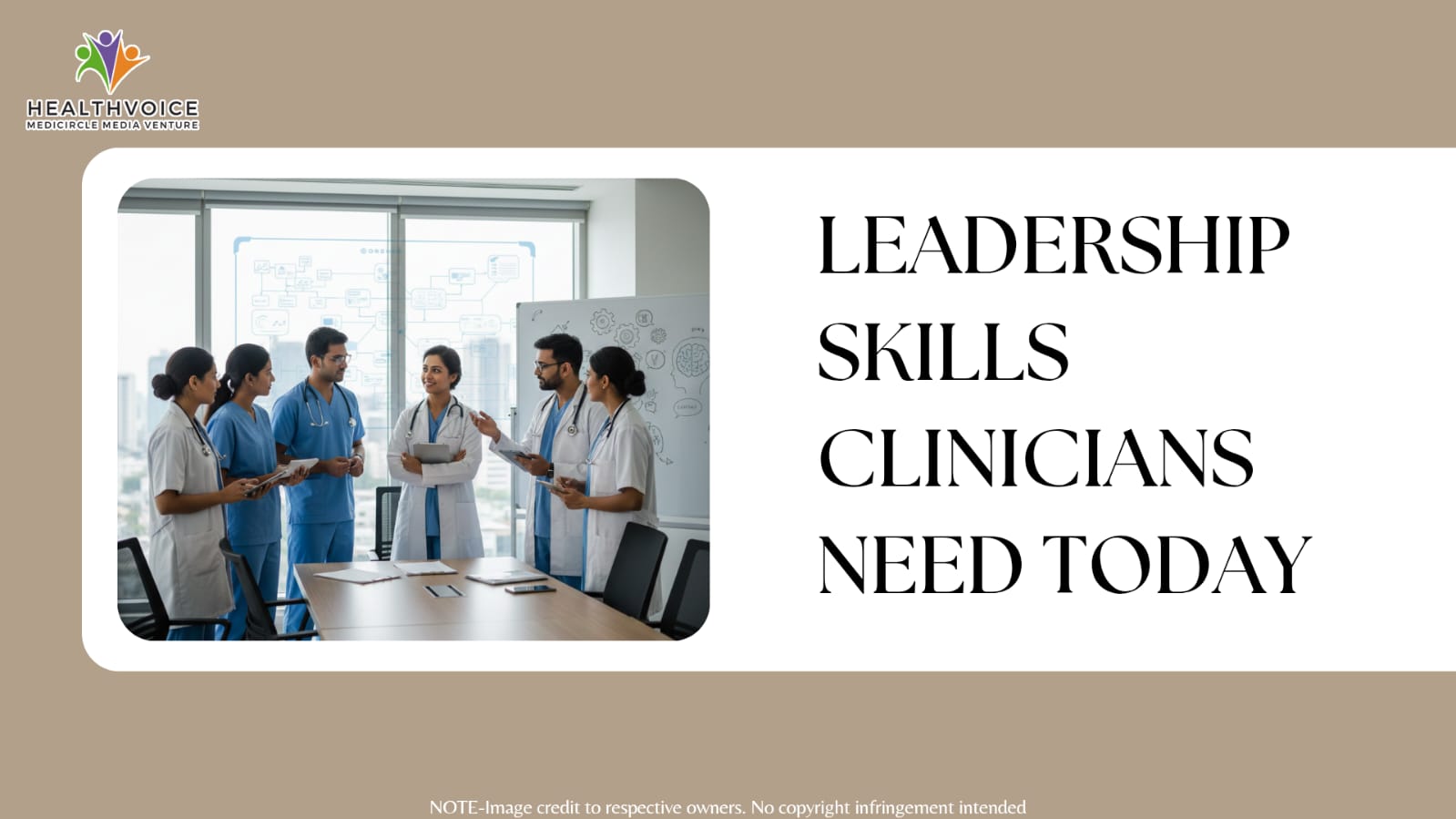
We all know the picture. A doctor in their clinic, stethoscope around the neck, focused on a patient's chart. It is an image of expertise and care. But if you talk to healthcare professionals today, you will hear about a role that has grown. It is bigger now. The modern clinician in India is not just a healer working alone. They are, more than ever, a leader. They guide teams, navigate crowded hospitals, manage new technology, and hold the trust of anxious families. The medical degree is the ticket to the race, but leadership is what helps you run it well.
So, why all this talk about leadership now?
This is not just a management buzzword. It is a direct answer to what is happening in our clinics and hospitals. Think about it, patients today are more aware; they ask questions and expect respect alongside treatment. Care itself involves a whole team, nurses, physiotherapists and laboratory technicians, all needing to move in sync and then there is the digital wave: online reports, video consultations and new software. It is a lot.
In this mix, knowing the medicine is essential, but it is like having a powerful car without knowing how to drive in city traffic. You need more. Clinicians must lead through this complexity. They have to ensure all these changes actually help the patient in the end, not just add to the noise.
Leadership in action:
Forget the idea of a boss in a corner office. This is leadership that happens in the corridor, the intensive care unit and the outpatient department. It is built on very human skills.
Leading with heart (Emotional intelligence):
This might be the most important skill. It is about being aware of your own mood when you are tired. It is about sensing the worry behind a patient’s questions or the stress in a junior colleague’s voice. When a clinician can do this, they calm situations down. They build trust. They make people feel seen, which is often the first step to making them feel better.
Talking and listening (Clear communication):
Here is a simple truth: good communication saves lives. It means explaining a disease in simple, clear words that a worried family can understand. Equally, it means giving a clear instruction to a nurse and just as importantly, listening to their update. A missed detail or a misunderstood plan can have real consequences. When communication is clear, the whole team works as one and safety improves.
Keeping up (Adaptability):
New machines, new applications and new protocols mean that change is constant. A good clinician leader does not fight it. They learn enough to use a new digital record system confidently. They explore how telemedicine can reach a remote patient. They stay curious. This attitude helps them adapt and crucially, helps their team adapt without fear or frustration.
The “We” in team (Collaboration):
Healthcare has no place for lone stars. The best outcomes happen when the doctor values the nurse’s observation, asks the physiotherapist for input and works with administrative staff to shorten a waiting line. Breaking down invisible walls between departments leads to smarter care, fewer mistakes and a workplace where people genuinely enjoy working together.
Doing the right thing (The ethical core):
Let us be honest. The system can push hard with commercial pressures, limited beds and scarce resources. In the middle of this, the clinician is the anchor. Leadership here is defined by an unwavering focus on what is best for the patient. It means advocating for fairness, making difficult decisions with transparency and setting a tone where integrity is never compromised. The team takes its cue from this example.
Growing into leadership:
The good news is that these are not magical traits that you either have or do not have. They are skills you can build. It starts with an honest look in the mirror. Where are you strong? Where do you struggle? Then, find a senior you respect and learn from their experience. Attend a workshop not just on medicine, but on managing people. Most of all, start practicing in your daily work.
- Be more observant.
- Listen more intently.
- Step up to coordinate.
Embracing this leadership role is about seeing the full potential of your profession. It is an invitation to look up from the individual case and help shape the entire environment of care. For the Indian clinician ready to wear this second hat, the impact is profound. You become more than an expert. You become someone who empowers the team, reassures the community and builds a healthcare culture that is not only skilled but also deeply human. The future of healing depends just as much on this heart of leadership as it does on science.
 Team Healthvoice
#ClinicalLeadership #DoctorsOfIndia #HealthcareLeadership #DoctorLife #ModernMedicine #MedicalProfessionals #IndianHealthcare #FutureOfHealthcare #HealthcareTeams #MedicalEthics #DigitalHealth #ClinicianLeadership #healthvoice