Clinical data: opportunity and responsibility
India’s vast clinical data offers transformative healthcare potential, but only if innovation is balanced with ethics, strong consent, security and fairness to preserve public trust and equity.
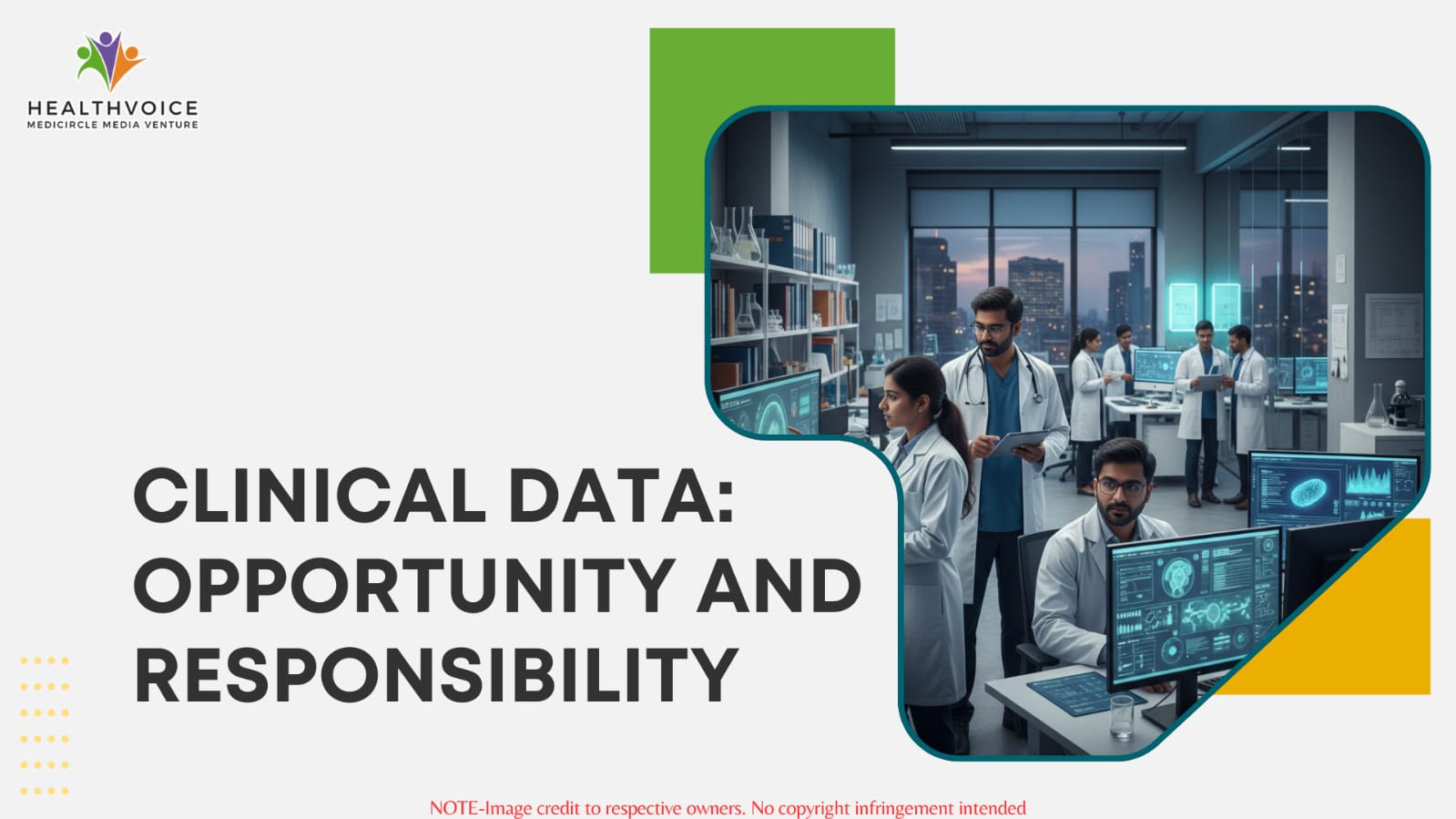
Think about the last time you visited a doctor. Your temperature, blood pressure and symptoms were all recorded. These bits of information, multiplied by millions across India, form a vast ocean of clinical data. This data is more than just numbers on a chart. It is a powerful resource that could unlock better healthcare for everyone. But with great power comes great responsibility. For India, managing this data is a delicate dance between seizing a golden opportunity and upholding a sacred ethical duty. It is about progress, but never at the cost of people’s trust.
The golden opportunity:
India is not just another country; it is a subcontinent of diverse people. Genetics, diets, lifestyles and environmental factors vary enormously from Kashmir to Kanyakumari. This diversity, often seen as a challenge is actually a research goldmine. The clinical data generated here can help answer questions that data from more homogenous populations cannot. Why do some medicines work differently for people in different regions? Can ancient remedies from our AYUSH traditions be validated by modern science? Our own data holds the key.
Look at the global trend toward self-reliance in medicine, like the UAE producing its own cancer drugs. For India to walk a similar path, home-grown data is the essential first ingredient. It allows our scientists to develop treatments and health policies that are specifically designed for Indian bodies and Indian realities. This moves us away from simply importing foreign solutions.
On a larger scale, when this data is carefully anonymized and pooled together, it becomes a crystal ball for public health. It can predict where the next dengue outbreak might flare up, show whether a vaccination drive is truly working and help decide where to build new clinics. It shifts our health system from just treating sickness to actively preventing it. This is the promise, a smarter, more responsive healthcare future built on the insights from our own people.
The non-negotiable duty:
This incredible opportunity rests on a fragile foundation: human trust. Every single data point represents a person who shared private details in a moment of vulnerability. They trusted their doctor and the system. This trust is the bedrock of all medicine. Once broken, it is incredibly hard to rebuild. If people fear their data will be misused, they may hide crucial information or avoid care altogether, hurting public health.
So, what does this responsibility look like on the ground? It starts with clear, honest consent. Consent forms must be in plain language, explaining exactly what data is taken and where it might go. It is a conversation, not just a signature on a form. Next comes iron clad security. Hospitals and research institutes must guard this data like a national treasure, using the best technology and protocols to stop breaches before they happen.
Finally, there is the responsibility of purpose and fairness. Data must be used to heal, not to harm. It should not lead to higher insurance premiums for some groups or be sold for pure profit without benefiting the community. The advances we make from this data, cheaper drugs and better diagnostic tools, must reach the villager and the city dweller alike. The system must be equitable. Our courts have wisely acknowledged that medicine involves complex judgments; managing the ethics of data requires that same depth of understanding.
Finding the middle path:
How can India walk this tightrope? The answer lies in creating a strong, smart framework that does two things at once: fuels innovation and guard ethics. We need forward thinking laws, like the Digital Personal Data Protection Act, that are clearly enforced. These laws should encourage research while setting strict rules for consent, security and penalties for misuse.
But laws alone are not enough. Transparency is crucial, people need to hear success stories, like how shared data helped develop a new vaccine or track a disease outbreak. When the public sees the tangible good that comes from responsible data sharing, a culture of participation grows.
The medical community must be the standard bearer of this ethics. From the seasoned doctor to the newest nurse, every professional must be a steward of patient data. This emphasis on ethics needs to be woven into the very fabric of medical education, just as there is a growing focus on hands on skill training for healthcare workers.
Towards a healthier future:
In the end, India’s wealth of clinical data is a tool. A tool can build something wonderful or cause damage, depending on the hands that wield it. Our mission is to use this tool with skill and conscience. We must harness its power to fight our unique health battles, from diabetes to tuberculosis, while wrapping our citizen’s information in a blanket of respect and protection.
The goal is a system where data does not just flow into a cold server, but circulates back to the people as better care, smarter policies and longer, healthier lives. By getting this balance right, India will not just create a more efficient health system; it will build a more just and trustworthy one. The story of our health future is being written one data point at a time. Let us ensure it is a story of wisdom, compassion and shared well-being for all.
 Team Healthvoice
#HealthcareData #DigitalHealth #HealthTechIndia #AIinHealthcare #ClinicalData #PatientPrivacy #TrustInHealthcare #PublicHealth #FutureOfHealthcare #HealthInnovation #IndiaHealth #DigitalIndia #EthicalAI #HealthEquity #MedTech #HealthcareTransformation #PopulationHealth #HealthPolicy #SmartHealthcare #healthvoice