Competency-Based Medical Education in India: Ground Realities
India is transitioning toward Competency-Based Medical Education to prioritize practical skills over rote learning. This reform aims to produce empathetic, community-oriented doctors while overcoming significant infrastructure and faculty challenges.
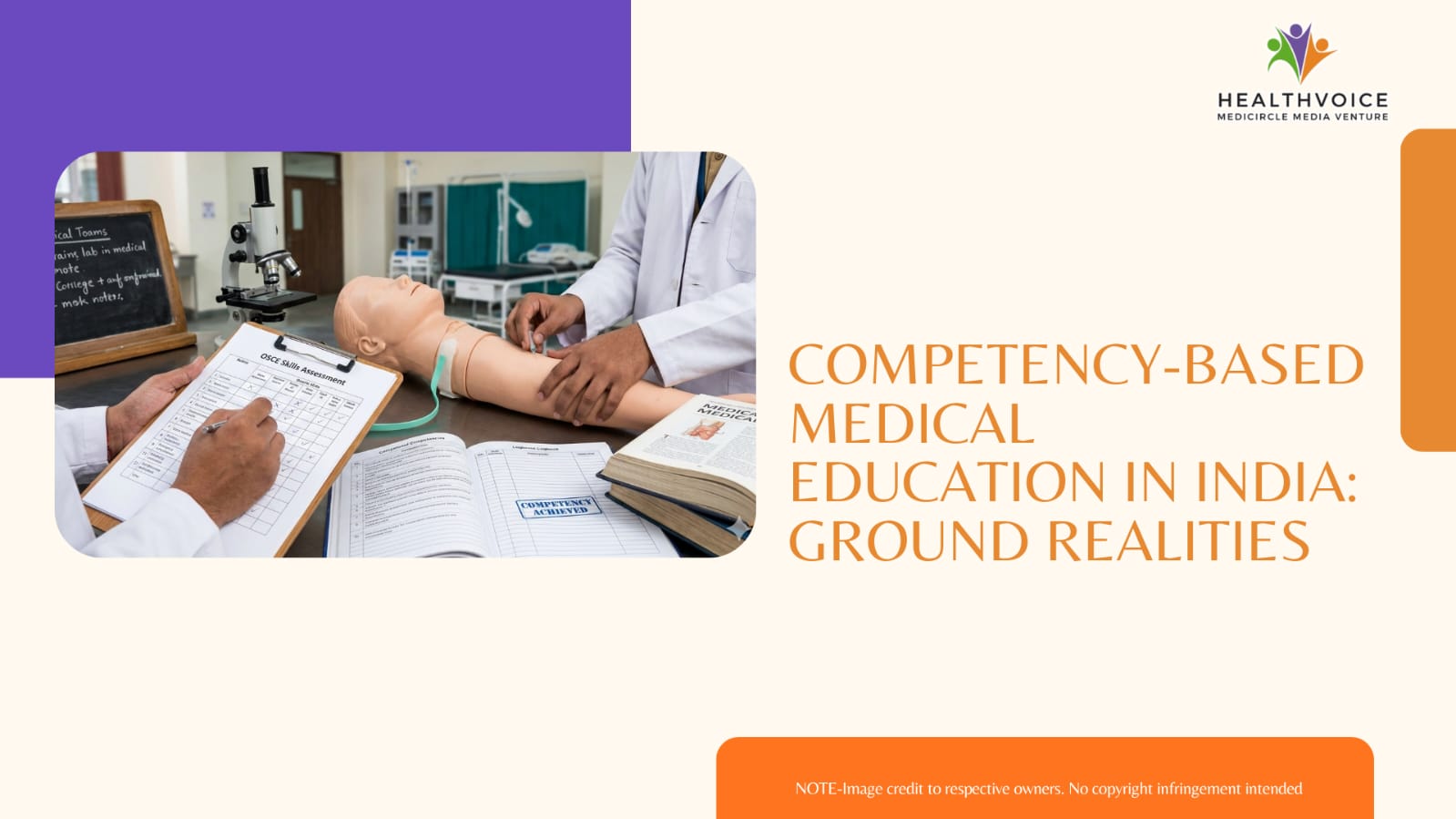
For many decades, the journey to become a physician in India resembled a grueling marathon of memorization. Medical students dedicated years to studying massive textbooks on anatomy and pharmacology, yet they frequently encountered actual patients only at the very end of their education. Although this method created doctors with extensive theoretical knowledge, it often resulted in a significant lack of practical, hands-on ability.
At present, that situation is undergoing a transformation. The National Medical Commission has launched Competency-Based Medical Education (CBME), which is a comprehensive reform intended to reshape the Indian Medical Graduate. The objective is to move away from learning by rote and focus on developing healthcare professionals who are not only intelligent but also truly prepared for clinical practice.
Defining CBME:
The essence of this modern strategy is a fundamental change in perspective. It is no longer only about the facts a student memorizes, but rather about the actions they can perform. In the past, a student could list every symptom of a cardiac condition but feel entirely overwhelmed when attempting to console a grieving relative or describe a surgery in plain language.
CBME addresses these gaps by integrating professional behavior into the formal syllabus through the Attitude, Ethics, and Communication module. Furthermore, students now benefit from Early Clinical Exposure. This ensures that first year students are not merely observing diagrams in a laboratory environment. They are interacting with patients in hospital wards, which helps them recognize early in their training that medicine is about human lives rather than just disease.
Implementation Challenges:
While the ambition behind this reform is motivating, applying it across more than seven hundred medical institutions in a diverse nation like India is a gigantic project. We must be transparent regarding the existing difficulties.
CBME depends heavily on instruction in small groups and individual mentorship. In numerous public hospitals, where the number of patients is enormous and the faculty members are already overworked, finding time for this focused attention is extremely tough. Teachers are now also expected to keep thorough logbooks for every single student. Without improved digital resources, there is a danger that evaluating competency will turn into a tedious administrative chore instead of providing valuable education.
Connecting with Communities:
One of the most encouraging aspects of the updated curriculum is the Family Adoption Programme. This initiative is more than a simple excursion; it is a dedicated effort to bridge the gap between urban centers and rural areas. Students are linked with families in nearby villages to support them over several years.
This program provides a future physician with lessons that a book cannot teach. A student discovers that the health of a patient is deeply connected to their surroundings. A doctor realizes that suggesting a specific medication is ineffective if a family lacks access to potable water or cannot pay for transportation to the hospital. This authentic empathy transforms a doctor into a genuine leader for the community.
Empowering the Faculty:
We frequently discuss the students, but the teaching staff serves as the foundation of this entire transition. Many veteran professors were educated in a system that relied strictly on formal classroom lectures. Requiring them to act as facilitators who lead students through discussions based on real cases necessitates a complete shift in their professional mindset.
To ensure the success of this reform, we must provide better support for our educators. This involves more than just a single training event. It requires continuous workshops, enhanced digital systems, and a decrease in the clerical duties that pull them away from their students and their patients.
Significance for Patients:
You might question why a revision in the medical school syllabus is important for the general public. It is significant because it fundamentally alters the quality of treatment you receive. The primary aim of this reform is to develop a doctor who prioritizes listening and ethics as much as medication. This professional will understand the specific hurdles faced by the Indian population and will manage healthcare teams effectively during times of crisis.
This change is currently a work in progress, and there will certainly be difficulties along the way. Nevertheless, the transition toward a system driven by competence is a move toward a more sympathetic and successful future for healthcare. The final success will not be measured by the exam scores of a student, but by the renewed trust between the Indian citizens and the medical community.
 Team Healthvoice
#CBME #FutureDoctors #MedicalStudents #PatientCentricCare #HealthcareTransformation #IndianDoctors #HealthLeadership #CommunityMedicine #FutureOfHealthcare #healthvoice
