How Rural Healthcare Can Attract and Retain Medical Talent
Rural healthcare in India faces a persistent medical talent shortage. Sustainable solutions require combining financial incentives, infrastructure investment, career pathways, community integration, and strong professional recognition for rural doctors.
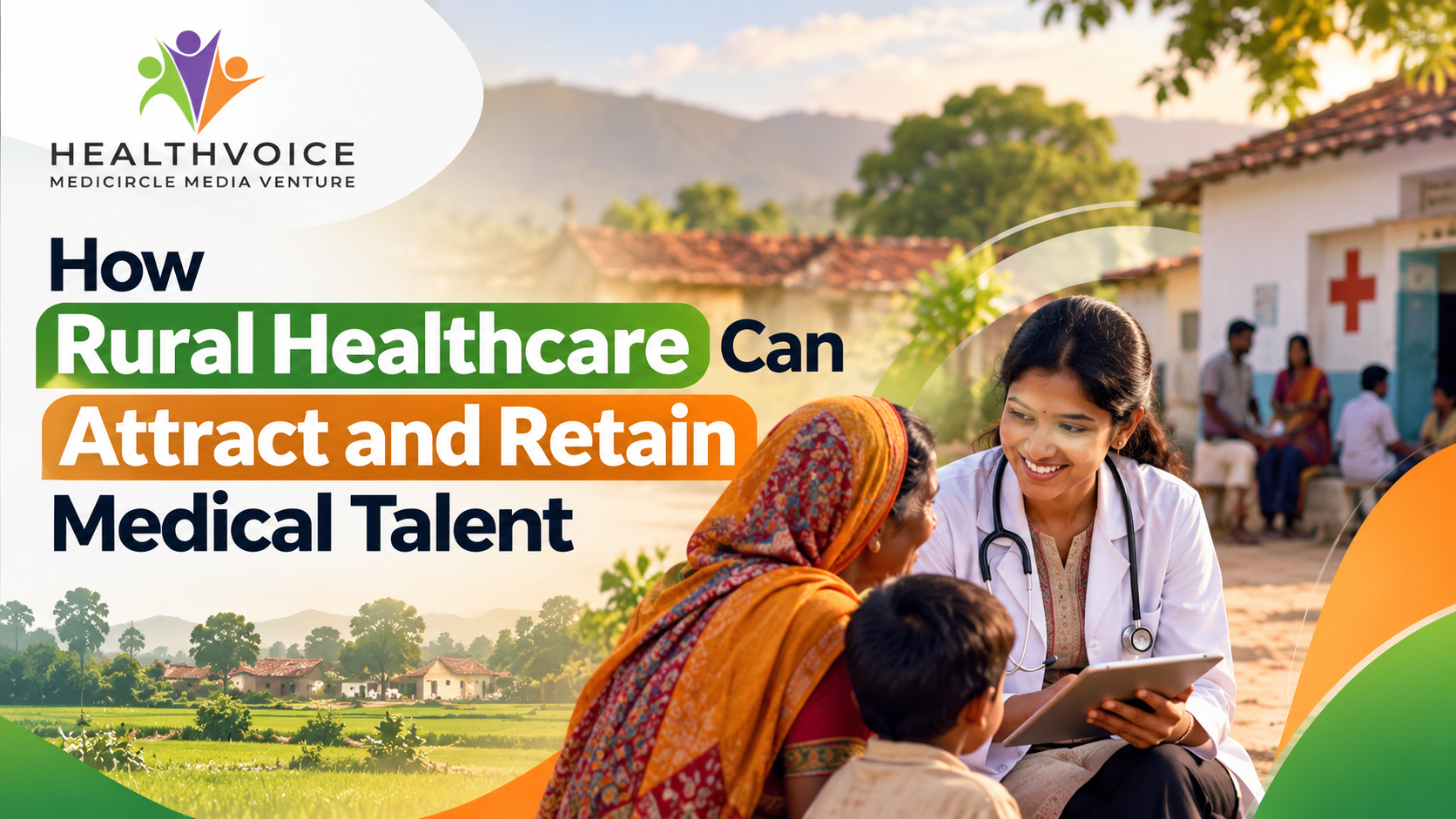
How Rural Healthcare Can Attract and Retain Medical Talent in India
Introduction
India's rural healthcare system carries the weight of serving nearly 65 percent of the country's population, yet it consistently struggles with one of the most pressing challenges in public health administration: the acute shortage of qualified medical professionals willing to work in underserved regions. The doctor-to-population ratio in rural India remains deeply unequal when compared to urban centers. According to data published by the National Health Mission, rural public health facilities operate with a significant shortfall in specialist doctors, medical officers, and trained paramedical staff.
This is not simply a logistical problem. It reflects a deeper systemic gap between where medical professionals are trained and where they are actually needed. Addressing rural healthcare workforce challenges requires a comprehensive understanding of why talented doctors leave or avoid rural postings, and what meaningful strategies can genuinely change this pattern. For healthcare leaders, policymakers, medical associations, and institutions looking to build sustainable rural healthcare ecosystems, the answer lies in a combination of policy reform, professional incentives, and community integration.
Understanding the Rural Healthcare Workforce Crisis in India
The shortage of doctors in rural India is not a new observation. It has been documented across multiple national health surveys, government committee reports, and global health assessments. What makes the crisis particularly difficult to resolve is that it operates on multiple levels simultaneously.
At the individual level, medical graduates trained in urban teaching hospitals often find rural postings professionally isolating. Limited access to advanced diagnostic infrastructure, restricted opportunities for skill development, and the absence of peer communities make it difficult for doctors to feel professionally fulfilled. At the systemic level, inadequate housing, poor road connectivity, limited schooling options for children, and the absence of urban amenities create a quality-of-life barrier that financial incentives alone cannot address.
The Indian Public Health Standards set benchmarks for staffing at Primary Health Centres and Community Health Centres, but actual fulfillment rates in states like Uttar Pradesh, Bihar, Rajasthan, and Jharkhand remain far below those benchmarks. The challenge is also compounded by the fact that many rural postings, even when filled, see high attrition within the first two years of service.
Why Doctors Choose Urban Postings Over Rural Assignments
Understanding physician preferences is central to designing any effective retention strategy. Research consistently shows that doctors do not avoid rural areas purely for financial reasons. The decision to remain in or leave a rural posting is shaped by a cluster of professional, personal, and systemic factors.
Professional stagnation is among the most cited reasons. Doctors in rural areas often lack access to continued medical education, research opportunities, mentorship, and peer consultation. This limits their ability to grow clinically and professionally, making rural practice feel like a career dead-end rather than a meaningful contribution.
Personal and family considerations also play a significant role. Spouses of rural-posted doctors frequently face challenges in finding employment. Children attending rural schools may have limited access to quality education. Social isolation and limited cultural infrastructure further reduce the appeal of long-term rural commitments.
Institutional factors compound these personal challenges. Delayed salaries, bureaucratic inefficiencies, lack of essential medicines and equipment, and poor administrative support create a working environment where doctors feel unsupported and undervalued. When the institutional environment fails, even the most committed professionals consider seeking opportunities elsewhere.
Proven Strategies for Attracting Medical Talent to Rural Areas
Addressing rural healthcare workforce shortages requires more than incremental adjustments. It demands a structural rethinking of how rural medical practice is valued, supported, and rewarded within India's healthcare system.
Financial Incentives Aligned With Rural Realities
Financial compensation remains an important factor, but it must be designed thoughtfully. States like Tamil Nadu and Karnataka have experimented with hardship allowances, rural service bonuses, and enhanced pay scales for doctors serving in remote postings. The central government's National Rural Health Mission has also provided incentives for specialists willing to serve at district hospitals and CHCs.
Beyond salary, loan repayment assistance linked to rural service duration is a model that has shown promise internationally and deserves greater adoption in India. Medical graduates who receive subsidized education through government institutions could be offered structured loan waivers in exchange for multi-year rural commitments, creating a mutually beneficial arrangement that also builds long-term accountability.
Infrastructure Improvement at Rural Health Facilities
No incentive programme can overcome the frustration of working without basic tools. Rural health facilities must be equipped with functional diagnostic equipment, reliable electricity, clean water, emergency transportation, and consistent drug supplies. Investments in telemedicine infrastructure also allow rural doctors to consult with urban specialists in real time, reducing the professional isolation that drives attrition.
The ABDM (Ayushman Bharat Digital Mission) and initiatives under Ayushman Bharat Health and Wellness Centres provide a foundation for this digital integration, but implementation consistency across states needs significant improvement. When rural doctors can access teleconsultation platforms, digital health records, and remote diagnostic support, the gap between rural and urban medical practice narrows considerably.
Career Progression and Continuing Medical Education
One of the most effective long-term retention strategies is creating clear, merit-based career pathways for doctors who choose rural service. Preferential admission to postgraduate medical programmes for doctors who complete rural service is a policy tool that India has debated extensively. Several state governments have implemented rural service reservations in PG medical seats, and evidence suggests these policies do improve rural retention when implemented consistently.
Continuing Medical Education opportunities must be brought closer to rural doctors rather than requiring them to travel to urban centres. Online CME platforms, periodic district-level clinical workshops, and mobile medical education units can ensure that rural doctors remain professionally updated without sacrificing their posting. Medical associations and platforms such as HealthVoice, which connect doctors with knowledge resources, expert discussions, and community-driven professional engagement, play a meaningful role in reducing the professional isolation that rural practitioners often experience.
Retention Strategies That Build Long-Term Commitment
Attracting doctors to rural areas is only half the challenge. Keeping them engaged, motivated, and professionally connected over the long term requires an entirely different set of strategies.
Creating a Supportive Institutional Culture
Rural hospitals and health centres that function with clear administrative systems, respectful leadership, and consistent operational support see significantly better staff retention. When doctors feel trusted and their clinical judgments are respected, they are more likely to stay. Institutional culture matters more than many healthcare administrators acknowledge.
District health officials and state health departments must shift from a purely compliance-oriented approach to one that recognises rural doctors as healthcare leaders deserving professional respect and institutional backing.
Community Integration and Social Infrastructure
Doctors who feel genuinely connected to the communities they serve are far more likely to remain in those communities. Building this connection requires deliberate effort from both the healthcare institution and the local community.
Some of the most effective community integration strategies include:
- Involving local community leaders and panchayat representatives in health facility governance
- Recognising and celebrating doctor’s contributions through community health events and local media
- Facilitating housing support, spouse employment assistance, and children's education access near rural postings
- Creating social support networks among rural healthcare workers through district-level peer groups
When a doctor feels that their presence matters, that the community values their work, and that their family's needs are being met, retention improves dramatically.
Recognition and Professional Visibility
Professional recognition is a powerful but underused retention tool. Rural doctors who handle complex cases, deliver healthcare under challenging conditions, and serve underserved populations deserve visibility within the broader medical community. Awards, state-level recognition programmes, and platforms that amplify the voices and achievements of rural doctors contribute meaningfully to a sense of professional pride and purpose.
Platforms dedicated to doctor visibility and community-driven recognition, like HealthVoice, provide exactly the kind of professional amplification that rural doctors often lack. When a doctor's contributions are acknowledged beyond their immediate geography, it reinforces the sense that rural practice is a respected and important career choice rather than a professional compromise.
Policy Frameworks Supporting Rural Healthcare Workforce Development
India's policy landscape offers several relevant frameworks that, when implemented effectively, can substantially improve rural workforce outcomes.
The National Medical Commission has ongoing discussions about mandatory rural service requirements for medical graduates. While the debate around compulsion versus incentivisation continues, most health policy experts agree that a combination of both approaches, implemented with transparency and fairness, yields the best results.
The Indian government's Aspirational Districts Programme, which targets historically underdeveloped districts for accelerated development, has improved physical infrastructure in several rural areas. Better roads, better connectivity, and better schools reduce the non-clinical barriers that discourage rural postings.
State-level innovations also deserve attention. Chhattisgarh's community health worker programme, Kerala's decentralised health planning model, and Rajasthan's mobile medical unit network each offer replicable lessons for other states struggling with rural workforce challenges. Documenting, sharing, and scaling these innovations through forums, medical associations, and healthcare media channels is critical for national learning.
The Role of Medical Associations and Healthcare Communities
Medical associations in India have a vital role to play in advocating for rural doctors, shaping workforce policy, and building professional communities that rural practitioners can genuinely access. Too often, association activities are concentrated in metropolitan cities, inadvertently reinforcing the sense that rural practice exists outside the mainstream medical community.
Progressive medical associations are beginning to recognise this gap. District-level chapters, regional medical conferences, digital member engagement initiatives, and rural health leadership programmes are slowly expanding the reach of organised medicine beyond urban boundaries. Healthcare platforms that facilitate association engagement, member visibility, and doctor communication have an important role to play in making this expansion effective and sustainable.
Conclusion
Rural healthcare in India cannot reach its full potential without a steady, committed, and professionally satisfied medical workforce. Attracting and retaining qualified doctors in rural and underserved areas is not a challenge that can be solved through a single policy or a one-time financial incentive. It requires a sustained, multi-layered strategy that addresses professional growth, personal wellbeing, institutional culture, community integration, and systemic support simultaneously.
Healthcare leaders, policymakers, medical associations, and healthcare platforms each have a meaningful role in reshaping how rural medical practice is perceived, experienced, and rewarded in India. When rural doctors feel professionally valued, institutionally supported, and community-connected, they do not simply stay in their postings. They thrive in them, and the communities they serve thrive along with them.
Frequently Asked Questions
Q1: What are the main reasons doctors avoid rural postings in India?
Doctors often avoid rural postings due to professional isolation, limited access to advanced medical equipment, lack of career growth opportunities, inadequate housing and family facilities, and low institutional support. Financial compensation alone does not address these deeper concerns.
Q2: What government schemes support rural healthcare workforce development in India?
Key government initiatives include the National Rural Health Mission, Ayushman Bharat Health and Wellness Centres, the Aspirational Districts Programme, and the Ayushman Bharat Digital Mission. State governments also offer hardship allowances, PG seat reservations for rural service, and rural posting bonuses under various state health schemes.
Q3: How does telemedicine help in retaining rural doctors?
Telemedicine reduces the professional isolation of rural doctors by enabling real-time consultation with urban specialists. It also improves patient outcomes at rural facilities, which boosts doctor confidence and job satisfaction. Digital health platforms supported by the ABDM framework are expanding teleconsultation access across rural India.
Q4: Can mandatory rural service for medical graduates solve the shortage?
Mandatory rural service can contribute to addressing shortages, but compulsion alone without adequate support and incentives often leads to low morale and poor quality of care. Most health policy experts recommend combining mandatory service with meaningful incentives such as PG seat preferences, enhanced pay, and professional recognition to achieve sustainable outcomes.
Q5: What role do medical associations play in supporting rural doctors?
Medical associations can support rural doctors by advocating for better working conditions, organising district-level CME programmes, creating peer networks for rural practitioners, amplifying rural doctor achievements through recognition programmes, and engaging state and national policymakers on workforce issues. Digital engagement platforms further extend association reach to rural members.
Resources
- National Health Mission (NHM): Government of India initiative providing policy frameworks and data on rural healthcare workforce deployment across states.
- Indian Council of Medical Research (ICMR): Primary source for health research, disease burden data, and workforce-related public health studies in India.
- World Health Organization India Country Office: Publishes global and India-specific reports on health workforce challenges, rural health systems, and policy recommendations.
- NITI Aayog Health Reports: Offers analytical reports on India's healthcare infrastructure, Aspirational Districts Programme outcomes, and rural health investment priorities.
- National Medical Commission (NMC): The regulatory body overseeing medical education policy in India, including discussions on rural service obligations for medical graduates.
Interlinking Keywords
rural doctor shortage India, rural healthcare workforce, medical talent retention strategies, Ayushman Bharat rural health, NHM doctor incentives, telemedicine rural India, rural medical postings, healthcare workforce policy India, rural CHC staffing, doctor retention rural hospitals
Last reviewed by:
Dr. Manthan Tripathi, HealthVoice Editorial and Medical Advisory Team, October 29, 2026.
Disclaimer
The information presented in this article is intended for general awareness, educational, and professional discussion purposes only. It does not constitute medical advice, clinical guidance, or a policy recommendation from any regulatory authority. Readers are encouraged to consult qualified healthcare professionals, relevant government bodies, or certified policy experts before making decisions based on the information provided. HealthVoice does not endorse any specific government scheme, private institution, or commercial healthcare product through this content.
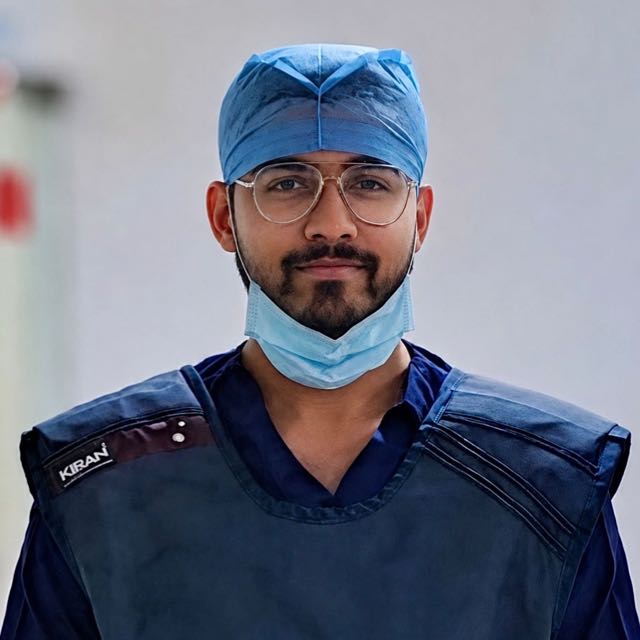 Dr. Manthan Tripathi
#RuralHealthcare #HealthcareInIndia #DoctorRetention