The Fragile Trust of Medicine: Hidden Camera Scandal Every Doctor Should Be Talking About
Over time, thousands of such recordings were accumulated, turning what should have been a place of healing into a site of surveillance
A medical consultation room is meant to be one of the safest spaces in society. It is where patients speak freely, where doctors examine without hesitation, and where privacy is not a luxury but a fundamental expectation. The sanctity of this space is the foundation of clinical practice. Yet, a disturbing incident emerging from Rajkot has shaken that very foundation, raising uncomfortable questions about privacy, ethics, and the misuse of technology within healthcare settings.
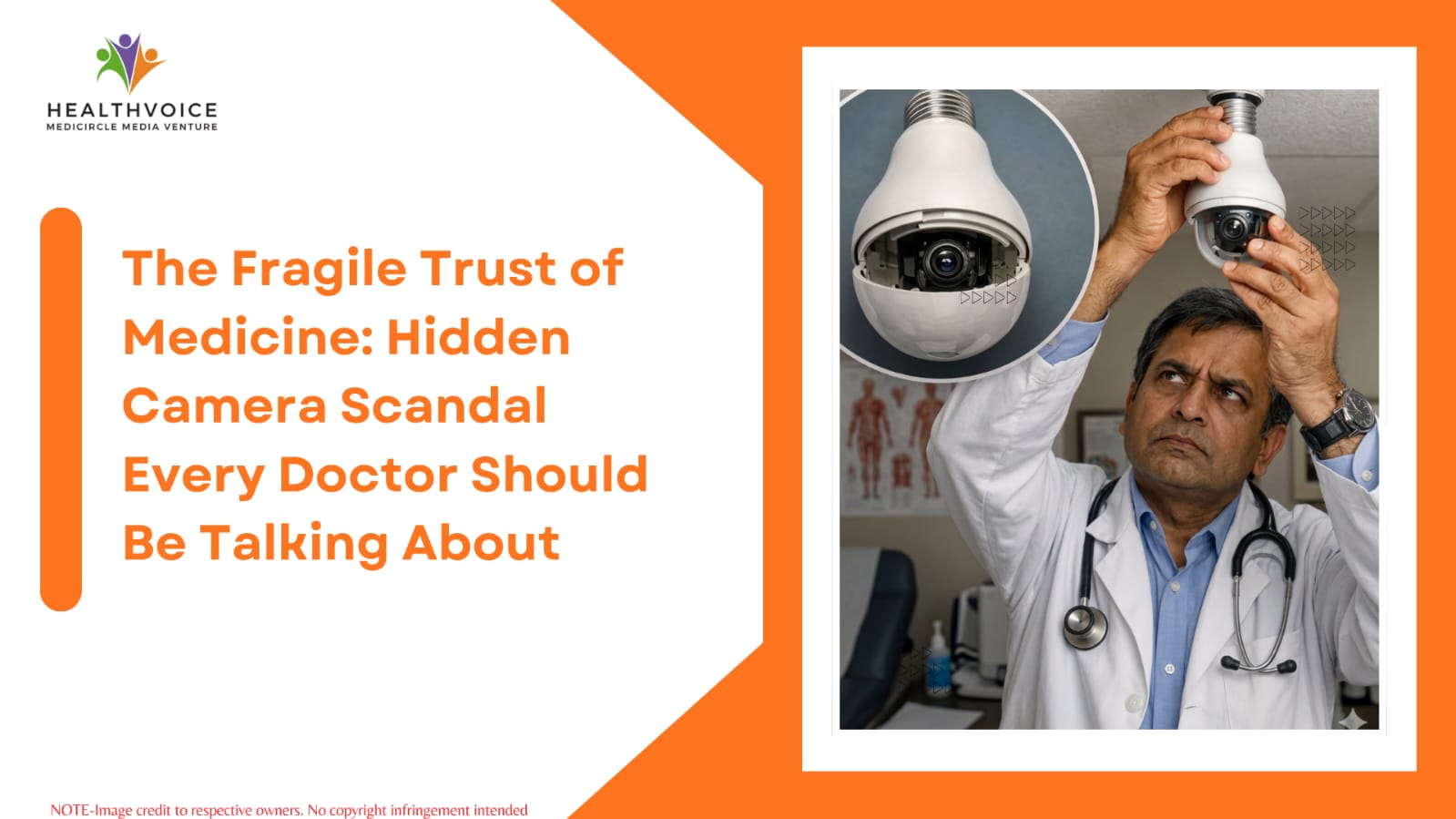
In this case, a practitioner trained in homeopathy allegedly crossed a line that medicine holds sacred. A hidden recording device was reportedly installed inside a clinical space, concealed within something as ordinary as a bulb holder. Each time the light was switched on, the device began capturing footage, silently documenting moments that were never meant to be seen by anyone other than those present in the room. Over time, thousands of such recordings were accumulated, turning what should have been a place of healing into a site of surveillance.
For the medical community, the shock lies not only in the act itself but in the implications it carries. Healthcare environments depend heavily on trust. Patients reveal personal histories, undergo physical examinations, and often share emotional vulnerabilities. Doctors, in turn, rely on this openness to make accurate diagnoses and provide appropriate care. When that trust is compromised, the damage extends far beyond a single incident.
The alleged use of these recordings for blackmail introduces another layer of concern. Reports suggest that the footage was used to threaten a fellow practitioner, with demands for a substantial sum of money. Even if the financial aspect were removed from the equation, the mere act of recording private interactions without consent is a serious violation. When such recordings are weaponised, the consequences become even more severe, affecting reputations, careers, and mental wellbeing.
What makes this incident particularly alarming is the method employed. The use of concealed devices within everyday objects highlights how easily technology can be misused. Surveillance equipment has become smaller, more affordable, and increasingly difficult to detect. While these advancements serve legitimate purposes in security and research, they also create opportunities for exploitation when ethical boundaries are ignored.
This leads us to think whether current safeguards within clinics and hospitals sufficient to prevent such breaches? Most medical facilities focus on infection control, clinical protocols, and patient management systems. Privacy protection, while acknowledged, may not always receive the same level of operational attention. This incident suggests that the time has come to reconsider that balance.
The legal dimensions of such cases are complex. Charges related to privacy violations, extortion, criminal conspiracy, and misuse of digital technology fall under multiple frameworks, including provisions of information technology laws. However, legal action, while necessary, often comes after the damage has already been done. Preventive measures are therefore equally important.
Medical ethics offers a clear perspective on this issue. Confidentiality is one of the core principles of medical practice. From the earliest days of medical training, doctors are taught that patient information must be protected. This principle extends beyond written records and verbal communication to include any form of observation or documentation. Recording a patient without consent is a direct violation of this ethical obligation.
The incident also highlights a less discussed aspect of healthcare i.e. interpersonal trust among medical professionals. Clinics often function as shared spaces, with multiple practitioners working under the same roof. This collaborative environment depends on mutual respect and professional integrity. When that trust is broken, it creates an atmosphere of suspicion that can affect the functioning of the entire facility.
Another dimension worth examining is the role of informal networks that may emerge around such incidents. Allegations that recorded material was circulated through intermediaries or individuals posing as media representatives point to a wider ecosystem of exploitation. In an era where digital content can be shared instantly, the risk of sensitive material spreading beyond its original context is significant.
The idea that a consultation or examination could be secretly recorded can create a sense of vulnerability that discourages patients from seeking care. This is particularly concerning in specialities where privacy is critical, such as dermatology, gynaecology, psychiatry, and general medicine. If patients begin to question the safety of clinical environments, it could lead to delayed diagnoses and reduced adherence to treatment.
Healthcare institutions must therefore take proactive steps to address these concerns. Physical audits of clinical spaces can help identify potential vulnerabilities. Simple measures such as checking fixtures, monitoring access to examination rooms, and maintaining strict control over electronic devices can make a significant difference. At the same time, digital security protocols should be strengthened to ensure that any authorised recordings, such as those used for training or documentation, are handled responsibly.
Training and awareness also play a crucial role. Medical professionals and support staff should be educated about the risks associated with surveillance technology and the importance of maintaining privacy. Clear policies must be established regarding the use of cameras and recording devices within clinical premises. These policies should be communicated to all staff members and strictly enforced.
Regulatory bodies have an important role to play in setting standards and ensuring compliance. While existing guidelines address patient confidentiality, there may be a need for more specific directives related to the use of surveillance technology in healthcare settings. Regular inspections and audits can help ensure that facilities adhere to these standards.
The psychological impact of such incidents should not be underestimated. Victims of privacy violations often experience anxiety, stress, and a sense of helplessness. For doctors, the fear of reputational damage can be particularly distressing. Professional identity is closely tied to public trust, and any threat to that trust can have long-lasting consequences.
This case also reflects the darker side of technological advancement. Tools that are designed to improve efficiency and security can be misused when ethical considerations are ignored. The challenge lies in finding a balance between embracing innovation and safeguarding fundamental rights.
The incident also raises questions about the accountability of healthcare providers. While individual actions must be addressed through legal and disciplinary mechanisms, institutions must also examine their internal systems. Was there adequate oversight? Were there checks in place to prevent unauthorised activities? These questions are essential for preventing similar incidents in the future.
At the same time, it is important to avoid generalisations that could unfairly impact the reputation of the broader healthcare system. Incidents like this are exceptions, not the norm. The vast majority of medical professionals adhere to high standards of ethics and professionalism. However, even isolated cases can have a disproportionate impact on public perception.
Media coverage of such incidents plays a significant role in shaping that perception. While it is important to report wrongdoing, there is also a responsibility to provide context and avoid sensationalism. Balanced reporting can help ensure that public awareness is raised without undermining trust in the healthcare system as a whole.
Looking ahead, the integration of technology in healthcare will continue to grow. Electronic health records, telemedicine, wearable devices, and remote monitoring systems are becoming increasingly common. Each of these innovations brings new benefits, but also new challenges related to privacy and data security.
The incident in Rajkot serves as a reminder that technology is only as ethical as the people who use it. Safeguards must evolve alongside innovation, ensuring that patient rights are protected at every stage.
Beyond clinical skills and medical knowledge, the practice of medicine is built on trust, respect, and responsibility. Protecting that trust requires constant vigilance, especially in an environment where the boundaries between the physical and digital worlds are becoming increasingly blurred.
In the end, the consultation room must remain what it was always meant to be i.e. a place where patients feel safe, where doctors can work with integrity, and where privacy is respected without compromise. When that space is violated, the impact is felt far beyond the walls of a single clinic. It becomes a challenge to the very principles that define the medical profession.
The question now is not whether such incidents can happen again, but whether the healthcare system is prepared to prevent them. The answer will determine how confidently patients can continue to walk into clinics, close the door, and trust that what happens inside remains truly private.
 Team Healthvoice
#PatientPrivacy #MedicalEthics #healthvoice