Improving Surgical Safety Checklist Use in Indian Hospitals
Improving checklist compliance requires a comprehensive approach that targets institutional culture, leadership dynamics, and operational workflows. Hospital administrators must cultivate an environment where safety is celebrated and leadership is shared.
Surgical Safety Checklist
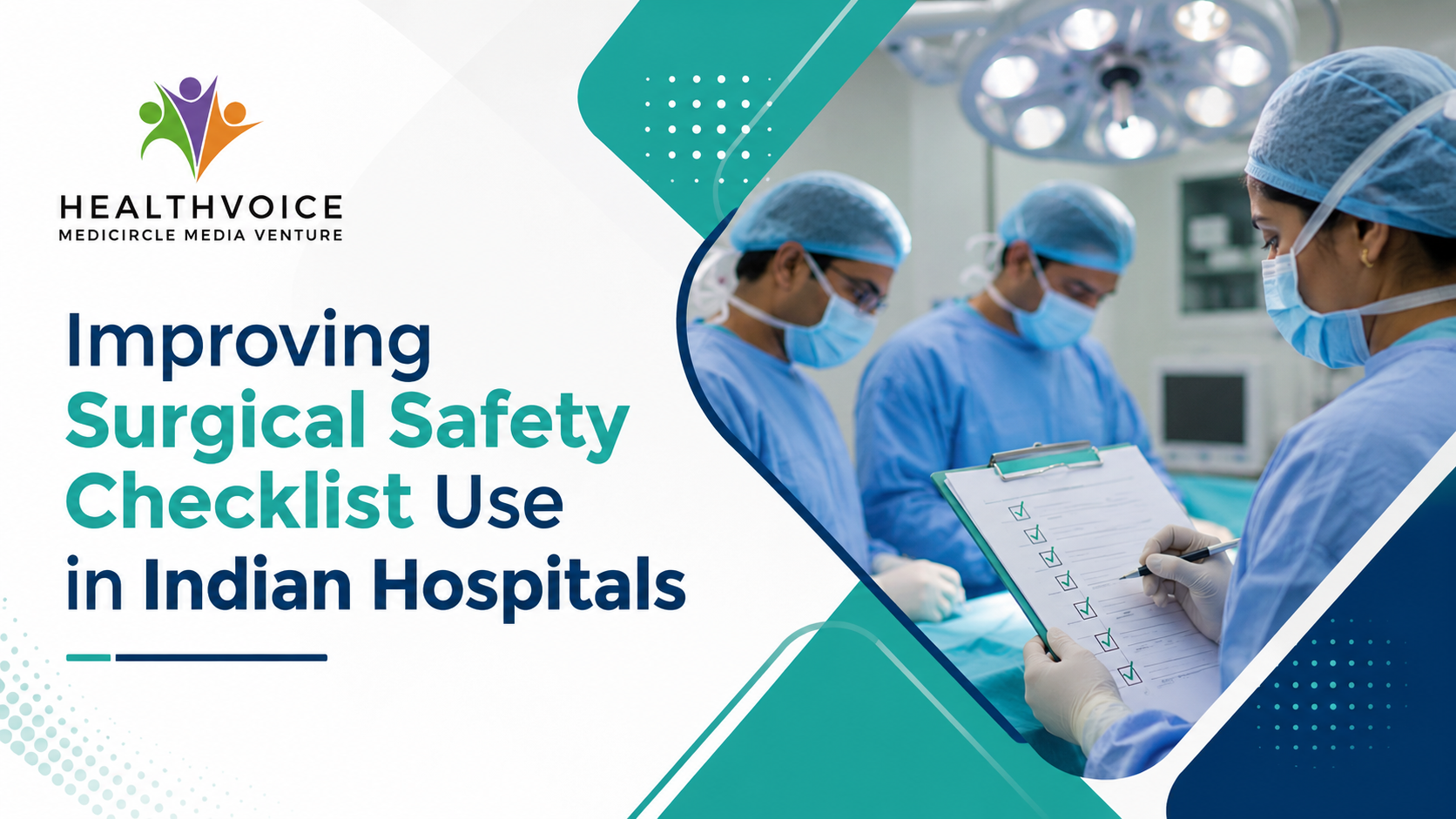
When the World Health Organization introduced the surgical safety checklist, medical professionals hailed it as a massive breakthrough for patient care. The concept provided a simple, affordable verbal guide designed to prevent surgical mistakes, reduce post-surgery infections, and lower mortality rates worldwide. When used correctly, this safe surgery checklist acts as a final safety net, ensuring that the entire operating room team agrees on critical details right before anesthesia, before the first incision, and right before the patient goes to recovery.
However, having a surgical checklist on paper is very different from using it effectively in the operating room. In busy healthcare systems like the one in India, hospitals frequently run into major hurdles when trying to get staff to follow these guidelines consistently. Too often, what should be a lifesaving communication tool turns into a hollow, bureaucratic exercise. Doctors and nurses frequently rush through the questions just to cross them off a list, completely missing the clinical value of the process.
For hospital leaders committed to raising care standards, understanding why these breakdowns happen is incredibly important. True safety cannot be forced through paperwork alone because it requires a deep look at workplace culture, high-stress environments, and daily habits. Healthcare awareness platforms like HealthVoice stress that solving these operational gaps is essential for building a reliable, patient-centered clinical environment in Indian hospitals.
Three Stages of Verification
The power of the checklist lies in its timing, dividing the surgical process into three distinct checkpoints. The first checkpoint happens before anesthesia is administered to the patient. Here, the nursing and anesthesia teams verify the identity of the patient, double-check the signed consent forms, confirm the marked surgical site, and review equipment safety. This step makes sure the patient is fully prepared before any medication takes effect.
The second checkpoint is the formal time-out, which occurs right before the surgeon makes the skin incision. This requires the undivided attention of the entire room. Team members state their names, re-confirm the exact operation being performed, and openly discuss potential challenges like heavy bleeding risks or difficult airway access. The surgical safety checklist time out phase is particularly vital because it is the final moment to catch errors before an invasive procedure begins.
The final checkpoint happens during wound closure. The team ensures all instruments and sponges are accounted for, verifies that biopsy samples are labeled accurately, and reviews the plan for the immediate recovery of the patient. When these three phases are followed sincerely, the operating room functions as a unified front. It prevents critical oversights, such as a hidden medication allergy or a delayed antibiotic dose, from harming the patient. But if the team skips steps or treats the process lightly, this protective shield disappears entirely.
Root Causes of Failure
One of the biggest reasons compliance falls short is the traditional hierarchy found in many surgical departments. Historically, operating theatres have been run with a strict top-down dynamic. If a senior surgeon acts like the WHO checklist for surgery is an unnecessary waste of time, the junior doctors, nurses, and technicians will hesitate to speak up or initiate the protocol. This environment makes it very difficult for a junior staff member to pause a procedure to fix a safety issue.
Workplace stress and high patient volumes also lead to checklist fatigue among medical professionals. In major medical centers where operating schedules are packed and room turnaround times are tightly monitored, teams are under intense pressure to work as quickly as possible. When efficiency is prioritized above all else, the checklist is often viewed as a speed bump. Staff might rush through the questions at an unreadable pace, fill out the form after the surgery has already concluded, or let one person sign it off without talking to anyone else.
Additionally, a lack of practical education plays a major role in these failures. Many hospitals distribute these forms without explaining the clinical reasoning behind the specific questions. If a medical team does not understand exactly how a single verification step prevents a specific, catastrophic complication, they will view it as meaningless paperwork. Without understanding the core reason behind the rules, compliance quickly fades into a meaningless routine.
The Paperwork Routine Danger
When a clinical safety tool becomes nothing more than a box-ticking exercise, it loses all ability to protect the patient. Psychologically, this happens when people focus entirely on finishing a task on paper rather than focusing on the actual goal of the activity. In a hectic operating room, a nurse might read the questions out loud to an empty room while the surgeon continues setting up, receiving silent nods rather than actual verbal confirmations. This creates a dangerous illusion of safety, where the records show perfect compliance but no real safety checks took place.
To break this habit, hospitals need to remind their staff that the checklist is about communication, not administrative tracking. Real protection comes from the deliberate pause, the eye contact, and the shared understanding of potential complications. Shifting the workplace mindset from filling out a form to protecting a life is the most critical step in making the checklist effective again. This transition is essential for meeting international standards like the patient safety checklist benchmarks.
Steps to Improve Compliance
Fixing these compliance issues requires an approach that goes beyond issuing new rules or threatening penalties. Management must build a workplace culture that supports staff, provides clear leadership, and adjusts workflows so safety checks fit naturally into the day. Implementing a clear operating room checklist philosophy can shift behaviors drastically.
Encouraging Senior Staff Leadership
Real change in the operating theatre always starts from the top. When senior surgeons actively run the checklist, introduce themselves to everyone in the room, and ask for input, they change the dynamic for the entire team. Hospitals should identify safety champions within surgery, anesthesia, and nursing. These leaders can encourage their peers, show what proper compliance looks like, and prove that taking a safety pause is a sign of a true professional.
Customizing the Template Form
A frequent mistake is using the standard template without altering it to fit the specific setup, staffing levels, or specialty needs of a hospital. A generic form might ask questions that do not make sense for the local technical systems or specific resources of the facility. Adjusting the layout, removing confusing terminology, and matching the questions to the actual physical steps a patient goes through makes the tool far more practical and easier to use. Many facilities create a customized NABH surgical safety checklist to remain compliant with national Indian healthcare accreditation standards while keeping the document streamlined.
Using Interactive Simulation Training
Sending out instructional emails or handing out policy memos rarely changes human behavior. Instead, hospitals should use hands-on, scenario-based simulation training. By practicing the checklist during simulated medical emergencies, teams can see exactly how clear communication prevents major mistakes. These practice sessions should focus on giving junior staff the confidence and language tools they need to speak up firmly if a safety step is skipped.
Technology and Regular Audits
While changing hospital culture is the ultimate goal, using smart digital tools and regular reviews can help lock these improvements in place for the long haul. Modern digital health platforms offer excellent ways to monitor and improve how safety protocols are handled.
Moving away from paper forms and switching to digital checklists on operating room screens can make a big difference. These systems can be set up to prevent electronic records from moving forward until the critical checkpoints are verified by the team. Furthermore, quality assurance teams can perform live, helpful audits. Instead of just checking if a form has a signature, reviewers can watch live procedures to ensure genuine team interaction is happening. Sharing this data in regular staff meetings encourages a healthy team dynamic and shows exactly where processes need a bit of adjustment.
Frequently Asked Questions
Why do medical teams ignore the checklist if it protects patients?
Most of the time, compliance fails because of strict hospital hierarchies, high-volume schedules, and general burnout. If the leading doctors treat the checklist like an annoying administrative requirement, the rest of the team will mirror that attitude and treat it as a routine paperwork chore.
How can a nurse or junior doctor enforce the checklist with an uncooperative surgeon?
Hospitals must build a supportive environment where every team member feels safe speaking up. Giving staff practical communication training and securing strong backing from hospital administration ensures that anyone can pause a surgery for a safety check without fear of backlash.
Does changing the standard checklist format actually help?
Yes, it does help. When a hospital modifies the template to match its specific room layouts, language preferences, and daily workflows, the checklist becomes much easier to use and far less annoying for the surgical team to fill out.
Creating a Safety Culture
Improving how hospitals use the surgical safety checklist by WHO guidelines is not a quick fix or a matter of administrative pressure. It requires an ongoing effort to change workplace habits. At its core, the checklist is not just a piece of paper or a screen. It is a communication tool designed to break down walls between specialties, balance out intimidating hierarchies, and protect patients when they are at their most vulnerable.
To close the gap between hospital policy and actual practice, medical institutions must consistently invest in supportive leadership, customized workflows, and interactive team training. When operating teams view the checklist as an essential part of an excellent surgery rather than a bureaucratic chore, patient care improves dramatically. Elevating these daily practices is vital for earning public trust and keeping healthcare across India safe, open, and focused on the patient.
Abstract:
Improving checklist compliance requires a comprehensive approach that targets institutional culture, leadership dynamics, and operational workflows. Hospital administrators must cultivate an environment where safety is celebrated and leadership is shared.
 Team Healthvoice
#SurgicalSafety #PatientSafetyIndia