Digital Biomarkers: Wearables in Clinical Decisions
Digital biomarkers from consumer wearables provide continuous health data that serves as an early warning system, though clinical integration faces challenges regarding data accuracy, overload, and regulation.
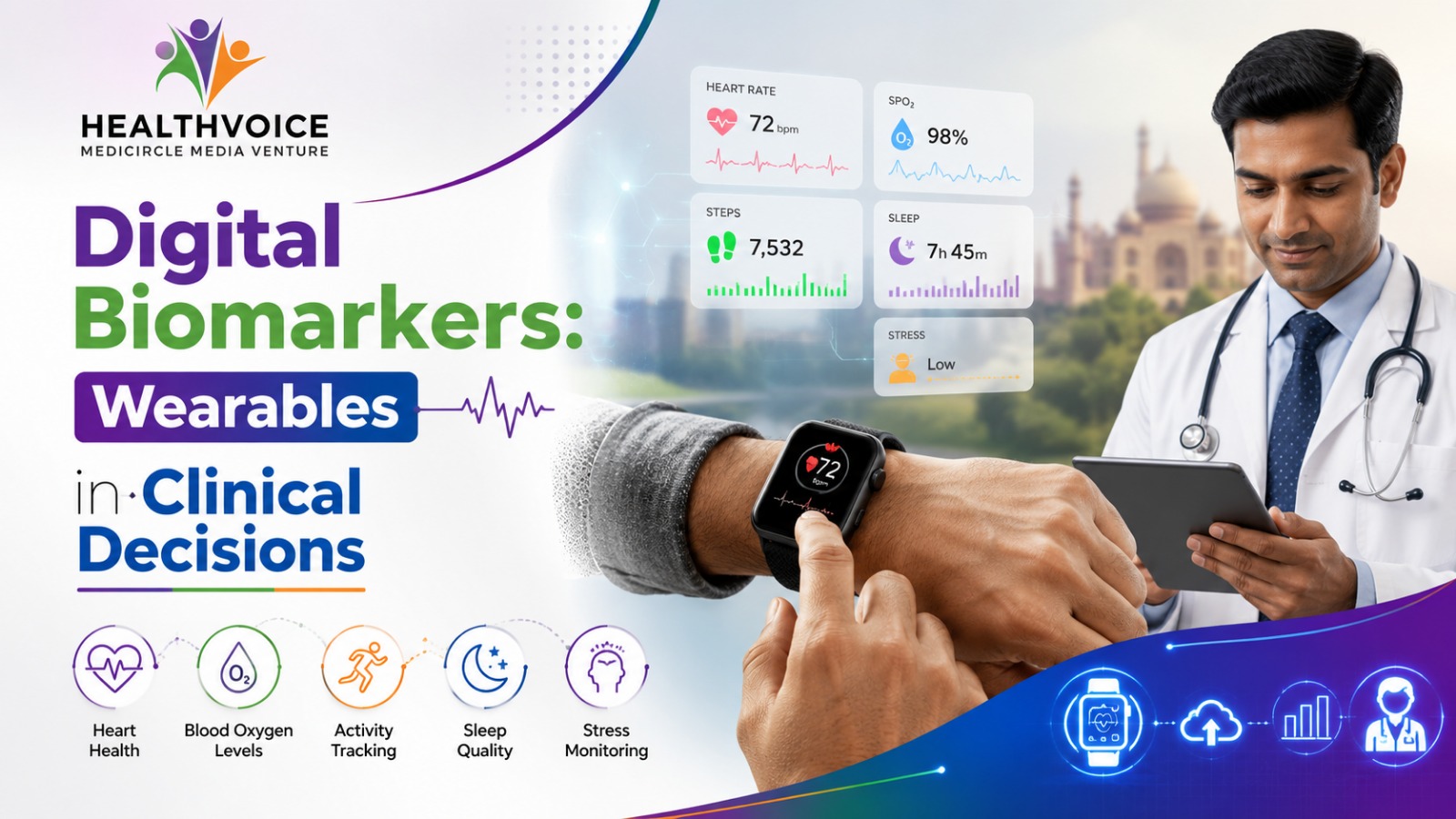
Digital Biomarkers: Are Wearables Ready for Clinical Decision-Making?
A health revolution is quietly unfolding right on our wrists. Across India, millions of people check their smartwatches, fitness bands, and glucose monitors throughout the day. These gadgets do far more than count daily steps or log sleep cycles on a mobile phone application. They constantly track intricate biological patterns. In the medical world, these objective, electronically gathered health data streams are called digital biomarkers. High-volume search indicators reveal massive interest in smart watch models and a wearable fitness tracker for lifestyle monitoring.
As portable technology advances, both patients and physicians face a major question. Can we safely use consumer wearables to guide serious medical treatments, or should they remain fun tools for personal fitness? In India, where spotting a disease early can protect a family from severe emotional and financial hardship, answering this question matters deeply. People frequently search for a reliable health tracker watch or look up the latest smart watch price when considering these devices. Medical professionals are evaluating whether a standard fitness band tracker can transition from a novelty into a legitimate diagnostic instrument.
Continuous Health Tracking
To see how a consumer watch becomes a clinical resource, we must contrast traditional medicine with digital data. Standard medical metrics rely on brief moments in time. When you visit a clinic, a nurse checks your blood pressure with a cuff or draws blood to measure fasting sugar. These laboratory reports are highly accurate, but they only show a single snapshot of your body at that specific minute.
Digital biomarkers provide the complete story instead of just one isolated picture. They track your long-term physical trends, including heart rate variability patterns, overnight oxygen drops, and shifts in how fast you walk. Because your device gathers this information during your normal routine, it creates real-world evidence. A doctor no longer has to guess what caused a sudden dizzy spell weeks ago. They can look at your historical data to spot subtle health changes that a short office visit would miss. Using a wearable health tracker allows for the collection of continuous statistics that static checkups cannot replicate.
Smart Data Usage
Many forward-thinking physicians in India already use wearable metrics to improve patient care, especially for managing chronic lifestyle conditions. When treating type 2 diabetes or high blood pressure, ongoing lifestyle data provides vital context that standard laboratory tests cannot show. Patients routinely deploy a continuous glucose monitoring system or an arm blood sugar monitor to keep tabs on metabolic swings.
Consider a patient who receives a high HbA1c blood test result. By reviewing a week of data from a continuous glucose monitor, a doctor can see exactly when sugar levels spike. The charts might reveal that glucose surges after specific heavy meals or during high-stress work meetings. Similarly, cardiovascular surgeons use advanced smartwatches with a built-in wearable ecg monitor to observe heart rate recovery after a cardiac procedure. This real-world monitoring shows how well a patient heals at home, creating a safe bridge between hospital discharge and daily life.
Limits of Wearables
While personal health technology offers incredible possibilities, several major roadblocks prevent medical professionals from using wearable data alone to diagnose illnesses or change drug prescriptions. The primary issue stems from inconsistent data quality among different brands. A luxury smartwatch and an entry-level fitness tracker often use entirely different software rules to estimate blood oxygen or deep sleep stages, creating conflicting records. Consumers searching for a cheap smart watch or exploring a low price smart watch often encounter sensors with lower reliability thresholds.
User mistakes also complicate the data. A wristband worn too loosely or heavy sweat on a humid afternoon can create data artifacts, which are false errors in the readings. If a fitness tracker mistakenly signals an irregular heartbeat because of a loose strap, it can trigger severe panic and lead to costly, unnecessary hospital checkups. Because doctors require absolute certainty before changing a medical treatment plan, most consumer-grade sensors still fall short of clinical standards. Tracking parameters on an unverified sugar monitor or blood pressure tracking watch cannot replace certified diagnostic pathways.
Managing Data Overload
The overwhelming volume of data creates a massive challenge within India busy medical system. A typical doctor in a crowded city hospital treats dozens of patients every day, leaving very little time for individual consultations. It is impossible for a physician to scroll through thousands of data lines and colorful phone graphs during a quick appointment. Without specialized digital tools to filter out the noise and emphasize true health risks, this mountain of patient data remains mostly useless in practice. Even when patients present data from the best health smartwatch, the lack of data synthesis hinders efficient clinical evaluation.
Regulation and Privacy
Standard hospital equipment must pass strict safety trials managed by groups like the Central Drugs Control Organization in India. Consumer smartwatches usually skip these medical tests because companies sell them as general wellness products rather than diagnostic tools. Furthermore, saving personal biometric information on commercial technology servers creates data privacy issues. Under India Digital Personal Data Protection Act, patients must have assurance that their intimate health statistics remain protected from corporate sharing or cyber leaks. This regulatory gap makes doctors hesitant to accept metrics from a standard wearable blood pressure monitor as absolute medical truth.
Merging Tech and Medicine
To transform wearables into reliable diagnostic tools, the technology and medical industries must work together. The next phase of healthcare relies on medical-grade wearables. These specialized devices combine the comfort of a standard watch with clinical-level tracking sensors.
Engineers are building smart communication systems that upload wearable metrics straight into digital hospital records under the Ayushman Bharat Digital Mission. Advanced artificial intelligence programs can scan these data streams in the background. Instead of sending a doctor raw files, the software provides a simple one-page summary highlighting major anomalies, such as a sharp drop in blood oxygen at night or a rising resting heart rate. This allows a physician to make safe, rapid decisions during your appointment. Incorporating a certified blood glucose monitoring device or wearable medical devices directly into the healthcare system will elevate patient care.
Managing Device Data
While the healthcare industry refines these digital tools, you can use these practical steps to make your device data genuinely helpful for your next doctor visit:
- Watch the Trends, Not the Moments: Never panic over a single strange heart rate alert or a poor sleep score on your screen. Pay attention to weekly and monthly patterns instead, as steady changes over time give your doctor much better health clues. Evaluating continuous logs from an activity tracker watch is more productive than obsessing over an isolated high reading.
- Wear the Band Correctly: To stop tracking errors, secure the watch strap firmly against your skin, roughly one finger-width above your wrist bone. Wipe the sensor clean regularly so sweat and dirt do not block the light sensors. Proper placement is vital when using a blood pressure monitor smart watch or a sleep tracking watch.
- Keep a Simple Health Diary: If your device shows a sudden pulse spike or stress alert, jot down what you were doing at that moment. Note if you just drank strong coffee, ran up the stairs, or felt anxious. This context helps your physician separate normal physical reactions from genuine medical problems.
Frequently Asked Questions
Can a smartwatch tell me if I am having a heart attack?
No, a standard smartwatch cannot diagnose an active heart attack. Some advanced models can take a single-lead ECG to look for irregular rhythms like Atrial Fibrillation, but they cannot track the comprehensive electrical pathways needed to spot a heart attack. If you feel chest pain, pressure, shortness of breath, or pain in your arm, call an ambulance immediately, regardless of what your watch screen says. A consumer smart watch ECG is an arrhythmia tracker, not a comprehensive cardiac crisis tool.
Is it safe to adjust my medicine based on my watch readings?
You should never change your medication doses based on data from a personal wearable. If your fitness tracker shows a steady rise in blood pressure or blood sugar averages, export the history and show it to your physician. Let a trained medical professional verify the numbers and adjust your prescriptions safely. Never self-medicate based on a consumer sugar monitoring machine or blood sugar sensor monitor.
How do I show my wearable data to my doctor without wasting time?
Avoid showing your doctor long, messy scrolling logs on your phone during a brief consultation. Use your health application export tool to create a clean PDF report instead. Focus on sharing 7-day or 30-day summary charts, as these concise overviews allow your medical team to evaluate your heart and lifestyle trends in seconds. This is the best approach whether you utilize a standard fitness band for men or a specialized health smart watch.
Conclusion
Digital biomarkers from wearable devices offer a fascinating window into our daily physical health, turning personal biology into visible data. Although consumer smartwatches are not ready to replace professional laboratory tests or dictate major treatment plans on their own, they work beautifully as early warning systems. By catching small changes in our daily baselines, these smart tools encourage us to see a doctor before minor lifestyle changes turn into chronic health conditions. As wearable technology becomes more standardized and connects smoothly with official medical networks, the data on our wrists will become an essential partner in modern clinical care.
 Team Healthvoice
#DigitalHealth #WearableTechnology