Childhood Obesity Warning Signs Parents Often Miss
Childhood obesity often begins with subtle lifestyle and behavioral changes that families may overlook during everyday routines. Understanding early warning signs, emotional patterns, sleep disruption, and modern activity habits helps support healthier long-term child development and balanced family health.
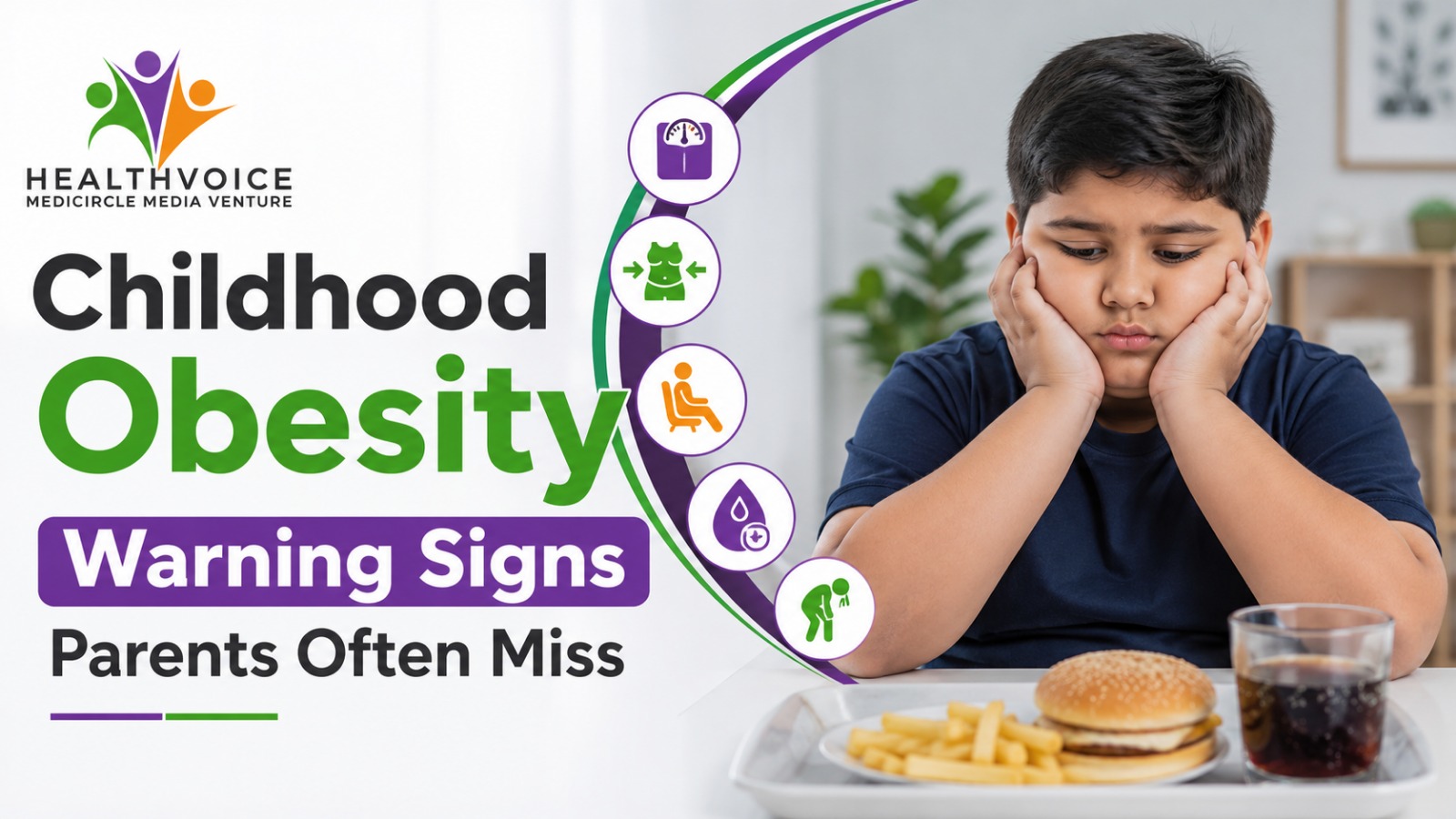
Childhood Obesity Warning Signs Parents Often Miss
Childhood obesity rarely appears suddenly. In most cases, it develops slowly through everyday habits that seem harmless at first. Parents often notice weight gain only after visible physical changes appear, but the earlier signs usually begin much sooner through eating patterns, sleep disruption, emotional behavior, low activity levels, and changing energy patterns. Understanding these warning signs early matters because obesity in children affects far more than body weight. It influences confidence, long-term health, social behavior, learning patterns, and even emotional development in ways many families do not immediately recognize.
Why Childhood Obesity Is Increasing Beyond Food Alone
Many people still associate obesity only with overeating, but modern childhood obesity is far more connected to lifestyle systems than single food choices. Children today live in environments where movement is optional and stimulation is constant. Long screen exposure, irregular meal timing, emotional eating, reduced outdoor play, and highly processed convenience foods create a pattern where excess weight becomes easier to gain and harder to notice early.
One important reason parents overlook obesity is because gradual changes appear “normal” over time. A child who becomes slightly less active each year may not raise immediate concern. However, the body slowly adapts to lower movement while calorie intake often remains high. This imbalance creates fat accumulation, especially around the abdomen and upper body.
Environmental factors also play a strong role. Urban families frequently rely on quick meals, packaged snacks, and indoor entertainment because of time pressure and busy schedules. In colder climates, children may spend more time indoors for long periods, while in warmer regions excessive heat can also reduce outdoor activity. Different lifestyles create different pathways toward the same issue.
Childhood obesity also behaves differently across families. Some children gain weight rapidly due to eating habits, while others experience slower metabolic changes connected to sleep, stress, genetics, or emotional routines. This is why obesity prevention cannot rely on one universal explanation.
The Early Physical Signs Parents Commonly Ignore
The earliest warning signs of obesity are usually subtle. They often appear as changes in stamina, posture, sleep, movement, or appetite before visible weight gain becomes obvious.
A child may begin avoiding physical activities they previously enjoyed. Simple tasks like climbing stairs, running, or extended walking may suddenly feel tiring. Parents sometimes assume this is laziness, but reduced endurance can indicate the body is already struggling with increased weight and lower cardiovascular efficiency.
Another overlooked sign is constant tiredness. Children carrying excess weight often experience disrupted sleep patterns even if they sleep for long hours. Poor-quality sleep changes hormone balance and can increase hunger throughout the day, creating a cycle of overeating and fatigue.
Physical discomfort also appears in small ways:
- Frequent sweating and low stamina during normal activitiesChildren experiencing early obesity often sweat excessively during basic movement or avoid games requiring physical effort. This usually happens because the body uses more energy for simple tasks than it should at that age.
- Changes in posture and walking patterns over timeExcess body weight may slowly affect posture, balance, and walking style. Some children begin walking more slowly or avoid standing for long periods because joints and muscles experience extra pressure.
- Breathing discomfort during sleep or rest periodsSnoring, mouth breathing, or restless sleep can sometimes be linked to excess body fat around the neck and chest area. Parents often miss this because the signs appear during nighttime routines.
- Rapid clothing size changes within short periodsGrowth is normal in children, but unusually fast increases in clothing sizes combined with reduced activity may indicate unhealthy weight gain patterns rather than natural development.
These signs are often dismissed individually, but together they form a larger pattern that deserves attention.
Emotional and Behavioral Changes Often Connected to Weight Gain
Childhood obesity is not only physical. Emotional patterns frequently change long before parents recognize a health concern. Many children become quieter, more isolated, or emotionally reactive because excess weight influences both confidence and social interaction.
Children who feel physically uncomfortable may begin avoiding group activities. They may resist sports, school events, or social gatherings involving movement. Over time, this creates emotional withdrawal, which increases sedentary behavior further.
Food also becomes emotionally connected in many households. Some children begin associating snacks or sugary foods with comfort, stress relief, rewards, or entertainment. This habit can continue unconsciously for years.
Behavioral warning signs may include:
- Eating frequently without real hunger
- Constant cravings for processed snacks
- Emotional eating during stress or boredom
- Irritability linked to meal timing
- Reduced motivation for physical activity
The challenge is that many of these behaviors now appear socially normal because digital lifestyles encourage constant snacking and inactivity. This makes early obesity harder to identify.
Another important factor is comparison culture. Children exposed to unrealistic online trends may either normalize unhealthy habits or develop emotional stress around body image. Both situations affect eating behavior differently.
How Modern Lifestyle Patterns Quietly Shape Obesity Risk
Modern childhood routines are built around convenience. While convenience saves time, it often reduces natural movement and encourages passive behavior throughout the day.
Many children spend hours switching between online classes, gaming, social media, and streaming platforms. Even academically active children may still remain physically inactive for most of the day. The body responds to this inactivity by slowing calorie use and reducing metabolic flexibility.
Meal structure has also changed significantly. Families increasingly eat at irregular times, rely on takeout food, or snack continuously instead of maintaining balanced meals. This disrupts hunger regulation and digestion.
One major issue is hidden calorie accumulation. Sugary drinks, packaged snacks, flavored cereals, and processed convenience foods are often marketed as child-friendly despite being highly calorie dense. Parents may focus only on meal quantity while overlooking beverage calories and snacking frequency.
Sleep schedules also contribute heavily. Late-night screen use affects hormone regulation connected to hunger and energy control. Children sleeping late often crave higher-calorie foods the next day while remaining less active physically.
Lifestyle-driven obesity becomes dangerous because the pattern develops slowly enough to feel routine. Families adapt to the new normal without realizing long-term health risks are increasing.
Why Obesity Affects Children Differently at Different Ages
Obesity behaves differently across childhood stages because growth patterns, hormones, emotional development, and activity levels constantly change.
Younger children usually experience obesity through environmental control. Their routines depend heavily on family habits, meal structure, and physical play opportunities. At this stage, parents have the greatest ability to influence healthy behavior patterns naturally.
Teenagers face more complex influences. Social comparison, academic stress, emotional eating, and digital lifestyles create stronger behavioral independence. Teen obesity often becomes harder to address because emotional resistance and self-image concerns increase significantly.
For some children, genetics may increase obesity risk, but genetics alone rarely explains rapid modern increases. Lifestyle usually determines whether those risks become visible.
Children involved in structured sports may also experience obesity differently. Some remain physically active yet still consume highly processed diets, creating hidden metabolic imbalance despite outward activity.
This variation is important because obesity prevention should not follow a single rigid method. Understanding lifestyle context matters more than applying universal assumptions.
The Long-Term Health Effects Parents Often Underestimate
Many parents assume childhood obesity becomes serious only in adulthood. In reality, the effects begin much earlier and influence multiple systems at once.
Excess body weight affects joints, sleep quality, energy balance, hormone regulation, and emotional health simultaneously. Children may experience early blood pressure changes, reduced stamina, insulin resistance, digestive discomfort, or chronic fatigue long before adulthood.
Mental health effects are equally important. Children struggling with obesity often experience reduced confidence, social withdrawal, anxiety, or bullying-related stress. These experiences influence academic performance and long-term emotional development.
The longer obesity continues untreated, the more difficult behavior patterns become to change. Habits formed during childhood frequently continue into adulthood because the brain associates those routines with comfort and normalcy.
This is why prevention matters more than sudden correction. Small consistent changes usually create better long-term outcomes than aggressive restrictions.
How Families Can Build Healthier Habits Without Fear or Pressure
The most effective obesity prevention strategies usually feel natural rather than forced. Children respond better to consistent family routines than strict rules focused only on weight.
Healthy habits begin with environment design. When healthier food becomes easier to access and movement becomes part of daily life, behavior changes gradually without constant pressure.
Families can support healthier routines through:
- Shared meal timing and reduced distracted eating
- Encouraging outdoor activity without making exercise feel like punishment
- Reducing excessive sugary beverages gradually instead of suddenly
- Improving sleep consistency across weekdays and weekends
- Creating balanced routines around screens and movement
Children also learn by observation. Parents who model balanced eating and active lifestyles influence behavior far more effectively than verbal instructions alone.
Importantly, conversations about obesity should remain supportive rather than shame-driven. Fear-based approaches often create emotional eating patterns instead of healthier habits.
Conclusion
Childhood obesity develops through patterns that often appear ordinary at first. Changes in sleep, movement, appetite, emotional behavior, and energy levels usually begin long before obvious physical signs appear. Recognizing these early warning signs allows families to respond with healthier routines before long-term habits become deeply established.
The goal is not perfection or strict control. It is awareness, balance, and consistency. When families understand how modern lifestyle patterns influence children physically and emotionally, healthier choices become easier to build naturally over time.
Frequently Asked Questions (FAQs)
1. What are the earliest warning signs of obesity in children?
Early warning signs often include low physical activity, constant fatigue, irregular sleep, and noticeable changes in eating behavior. Many children also develop emotional eating habits or reduced stamina before visible weight gain becomes obvious. Understanding these patterns helps families focus on prevention and healthier daily routines before obesity progresses further.
2. Why do some children gain weight even if they do not eat excessively?
Childhood obesity is not always linked to overeating alone. Low movement, poor sleep quality, excessive screen exposure, and irregular meal timing can all affect metabolism and energy balance. These lifestyle factors influence the body’s health patterns and can slowly increase obesity risk over time.
3. How does screen time contribute to childhood obesity?
Long screen exposure reduces physical movement and often encourages mindless snacking. Children who spend more time indoors may also develop irregular sleep schedules and reduced activity levels. Managing screen routines is an important part of healthy lifestyle adjustments that support long-term physical and emotional balance.
4. Can emotional stress increase obesity risk in children?
Yes, emotional stress can influence eating behavior significantly. Some children use food as comfort during boredom, anxiety, or social pressure, which may lead to overeating patterns. Recognizing these emotional triggers early helps families support better behavior management and healthier routines naturally.
5. How does poor sleep affect weight gain in children?
Poor sleep affects hormones connected to hunger, energy, and appetite regulation. Children sleeping late or experiencing restless sleep often feel more tired and crave high-calorie foods the next day. Improving sleep consistency is one of the most effective prevention tips for supporting healthy growth and metabolism.
6. Why is childhood obesity becoming more common today?
Modern lifestyles encourage convenience, reduced movement, and highly processed eating habits. Many children spend less time outdoors and more time with digital entertainment, which changes daily activity patterns. These environmental and behavioral effects collectively increase obesity risk across different age groups.
7. Can childhood obesity affect mental and emotional health?
Yes, obesity can influence confidence, social interaction, and emotional well-being. Children may avoid group activities, feel isolated, or become emotionally withdrawn due to discomfort or body image concerns. Supporting emotional health alongside physical health is important for balanced long-term development.
8. What daily habits help reduce obesity risk in children?
Simple routines like regular meal timing, outdoor activity, balanced sleep, and reduced sugary snacks help improve long-term health. These consistent lifestyle adjustments support better energy balance and encourage healthier behavior patterns naturally without creating pressure around food.
9. Are active children still at risk of obesity?
Yes, even physically active children may develop obesity if eating habits, sleep quality, or stress patterns remain unbalanced. Some children consume highly processed foods regularly despite participating in sports. Supporting overall health management requires balancing activity, nutrition, recovery, and emotional well-being together.
10. Why do parents often miss obesity warning signs in children?
Childhood obesity usually develops gradually rather than suddenly. Small changes in activity levels, posture, appetite, or sleep may seem normal individually, making them easy to overlook. Understanding these early behavioral and physical effects helps families recognize patterns before they become long-term health concerns.
 Team Healthvoice
#ChildhoodObesity #ChildHealth
