Informed Consent in India: Beyond the Signature
Informed consent in India is transitioning from a legal formality to a meaningful dialogue. By prioritizing clear communication and body literacy, healthcare providers can build deeper trust and safety.
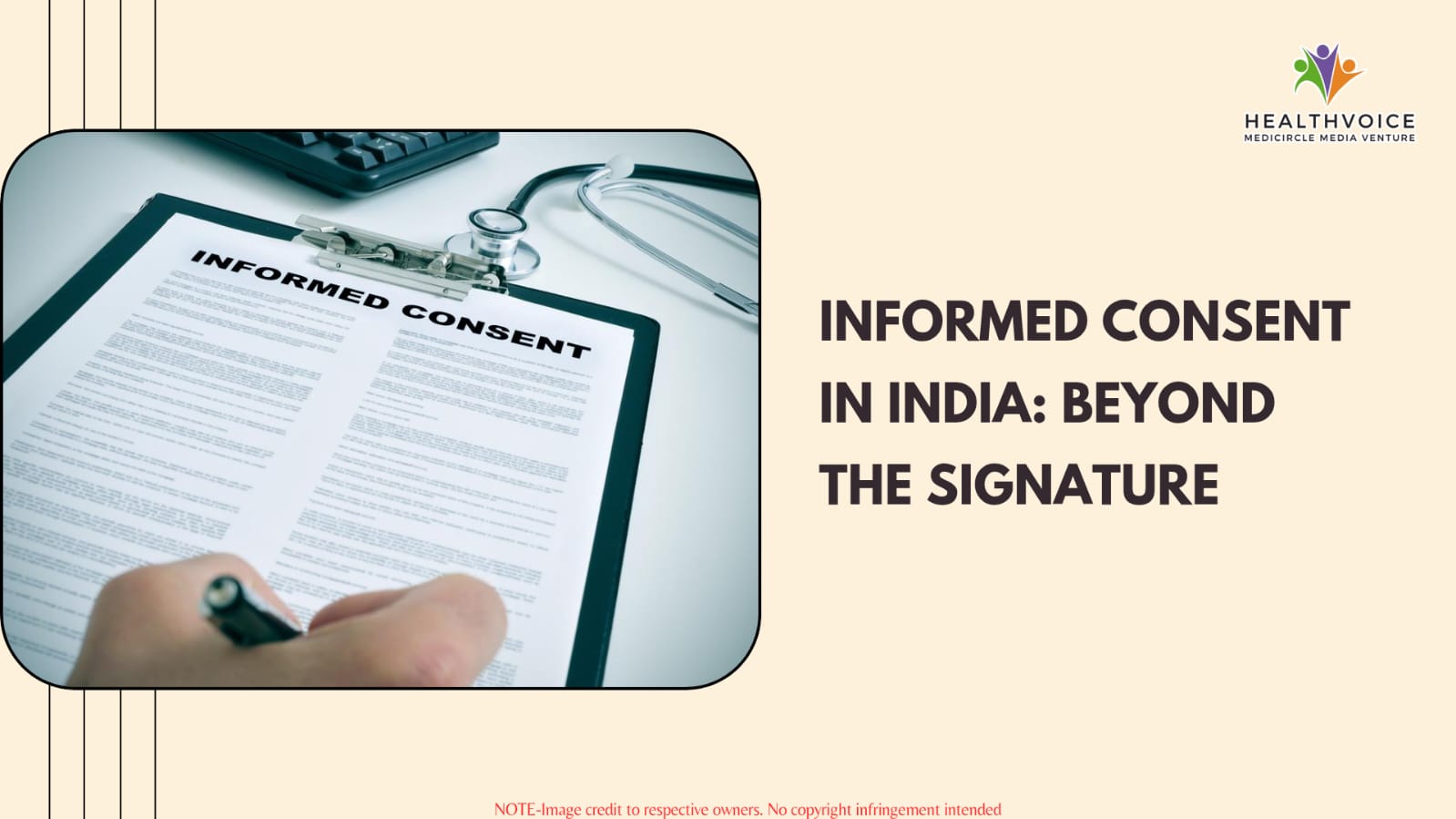
Within the high pressure environment of an Indian hospital, a signature on a consent form is often treated as the final requirement before a procedure begins. For many individuals, it feels like a bureaucratic necessity or a legal shield for the institution. However, if we look closer, that piece of paper represents something much more significant than a mere legal obligation. It is supposed to be the culmination of a meaningful and transparent dialogue between the medical provider and the patient.
Real healthcare is not found in a thumbprint or a signature alone. Instead, it is found in the clarity a patient feels before they agree to any treatment. Informed consent is a foundational right that ensures every individual knows exactly what is happening to their body. It involves understanding why a procedure is being recommended and what other paths they might take.
Beyond Doctor Authority:
For many decades, the Indian medical landscape followed a paternalistic approach where the physician was the sole decision maker. Patients were generally expected to follow instructions without asking any questions. In this specific culture, a patient might sign a form simply out of respect or fear, even if they have no idea what the potential risks are.
True informed consent completely flips this traditional script. It transforms the patient from a passive bystander into an active partner in their own recovery process. The hurdle we often face in India is the use of complex medical jargon. When a specialist explains a procedure using technical terminology, a patient might nod along just to be polite while remaining completely confused. Breaking this cycle means prioritizing body literacy and explaining health in plain language that empowers the patient to say yes with genuine confidence.
Local Language Benefits:
Effective communication is often the most powerful medicine a doctor can prescribe to a patient. When a clinician takes a few moments to step away from the medical charts and explain a diagnosis in a native tongue, the entire dynamic changes. Using simple analogies or even a basic hand drawn sketch can do more for peace of mind than a dozen pages of fine print.
At HealthVoice, we see a new generation of Indian healthcare professionals moving away from being distant authorities. They are instead becoming empathetic guides for those they treat. This shift is practical because a patient who understands the reason behind their treatment is far more likely to stick to their medication schedules. Transparency creates a bond of trust that is essential when navigating a difficult health crisis.
Managing Family Dynamics:
In the Indian context, medical decisions are rarely made by one person in isolation. They are collective family events involving spouses, parents, and often many extended relatives. While this provides a beautiful support system, it can also make the consent process quite delicate for the physician.
Doctors often have to navigate a fine line between respecting the individual right of the patient and managing the desire of the family to protect their loved one from distressing news. Ethical care in India means keeping the patient at the heart of the decision while acknowledging that the family is the primary caregiver. When everyone is on the same page, the path to recovery becomes much smoother for everyone involved.
Technology Clearing Fog:
Digital health tools are beginning to revolutionize how consent works across India today. With the rise of tele consultations and digital health records, medical information is becoming more accessible than ever before. We are seeing the rise of regional language videos that explain procedures through visuals rather than just using text. Digital brochures allow patients to review information at home with their families at their own pace.
By using technology to strip away complexity, the healthcare system moves from just managing emergencies to fostering long term wellness. An informed patient feels comfortable asking important questions about recovery times and non-surgical options. These are the specific types of questions that lead to better health outcomes for the general public.
Safety over Paperwork:
There is a common myth that informed consent is only about avoiding potential lawsuits. In reality, it is a vital safety mechanism for clinical practice. When a patient is fully engaged in the conversation, they are more likely to remember a specific allergy or mention a previous reaction to anesthesia. This two way street of information acts as a safety net for both the doctor and the patient. As India continues to elevate its healthcare standards, the focus is shifting toward making medical interactions feel more human and less mechanical.
Shared Responsibility Era:
The future of health in India depends on the concept of shared responsibility. It is a partnership where the doctor brings the medical expertise and the patient brings their personal values and informed choice. This requires a significant cultural shift where patients must feel brave enough to ask questions. The medical system must provide the time and space for those questions to be answered thoroughly.
At HealthVoice, we aim to be the bridge in this important conversation. By improving health literacy and advocating for clearer communication, we believe every Indian can become a confident advocate for their own well-being. Informed consent is not just a signature but the heartbeat of ethical medicine. When we prioritize understanding over paperwork, we build a healthcare system that is compassionate and deeply trusted by the people it serves.
 Team Healthvoice
#InformedConsent #PatientRights #HealthcareIndia #MedicalEthics #HealthLiteracy #DoctorPatientRelationship #PatientEmpowerment #HealthcareCommunication #FamilyCenteredCare #HealthcareReform #MedicalLaw #healthvoice
