Telemedicine in Post-Pandemic India
Telemedicine in India has transformed from an emergency necessity into a permanent pillar of healthcare. It democratizes specialist access, empowers chronic disease management, and fosters proactive wellness through digital education.
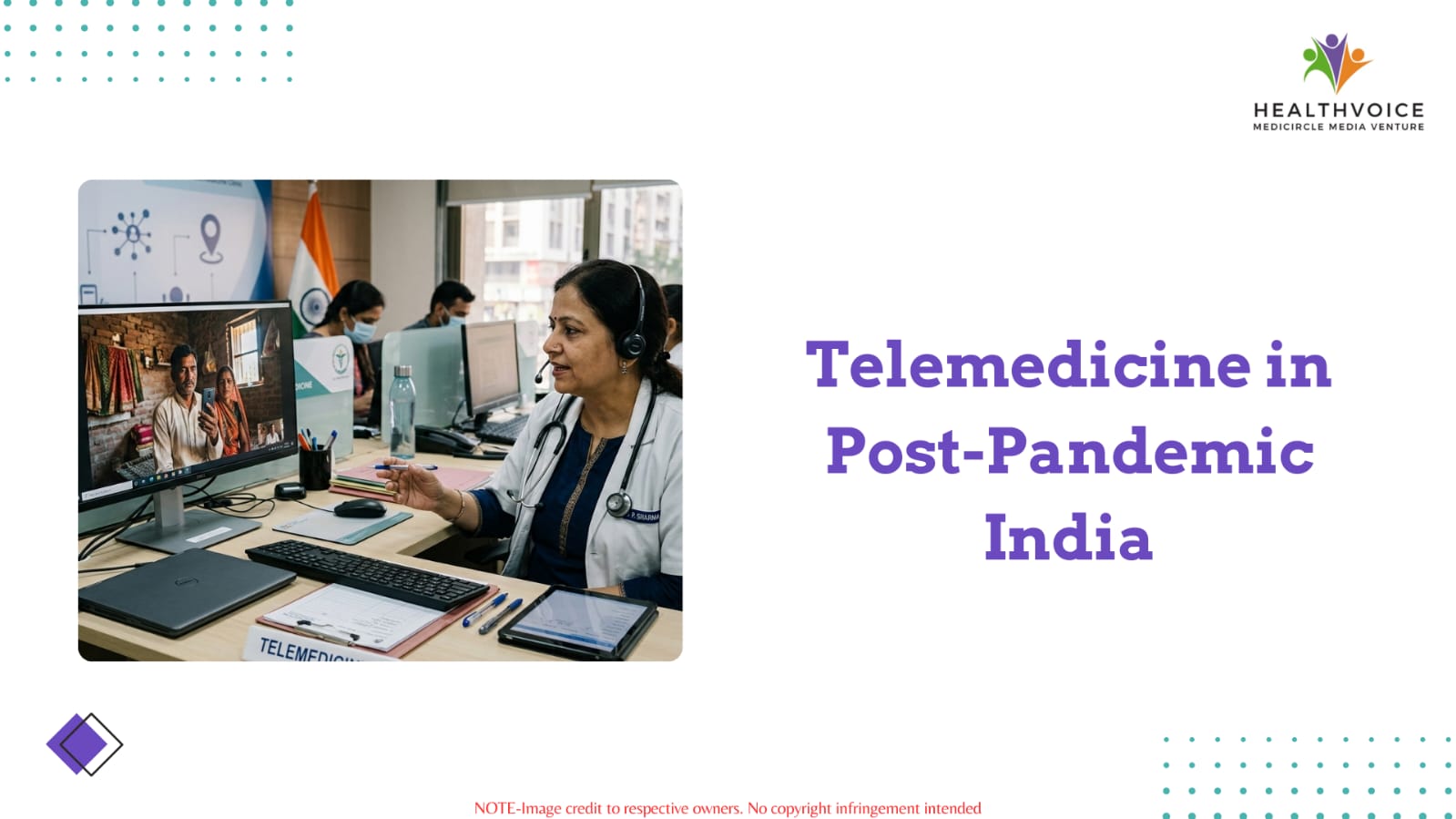
The healthcare landscape in India has experienced a profound shift since 2020. What began as a temporary requirement during global lockdowns has matured into a vital and permanent pillar of the national medical system. Virtual consultations were once seen as a luxury for the tech-savvy elite in major cities such as Mumbai or Hyderabad. However, these digital services have now become a reliable lifeline for millions across the subcontinent. We are witnessing a new era where quality medical advice is no longer defined by the four walls of a physical clinic. Instead, it is defined by the accessibility of expert knowledge and professional guidance.
Changing Patient Mindsets:
For many generations, seeking medical help in India meant navigating a series of difficult hurdles. This often included long commutes to major cities and hours spent in congested waiting areas. The physical exhaustion of travel while unwell added another layer of stress for patients. The pandemic broke this cycle by necessity, but the years that followed have proven that the population is not going back to old ways.
Today, the average Indian patient is much more informed and values personal time differently. There is a growing realization that many health concerns, ranging from seasonal flu to specialist follow-ups, can be handled effectively through a digital screen. This cultural pivot is supported by the Ayushman Bharat Digital Health Mission. This government initiative has standardized digital records and prescriptions. It gives patients the confidence that their online care is just as formal and secure as an in-person visit.
Managing Chronic Conditions:
Modern telemedicine has grown far beyond a simple video chat between two people. It has evolved into a comprehensive support system for those battling chronic conditions such as diabetes or hypertension. In the past, managing these lifestyle diseases often involved fragmented advice and sporadic check-ups that lacked continuity.
Now, digital health platforms provide a continuous loop of professional care. Patients can access doctor-led programs that focus on the root causes of their symptoms. These programs often address gut health or metabolic imbalances rather than just treating symptoms. Instead of only receiving a one-time prescription, individuals are coached on how to eat, move, and live. This shift from reactive medicine to proactive wellness is a significant benefit of the digital revolution.
Bridging Healthcare Gaps:
India has always faced a distribution problem regarding medical expertise. The best specialists are often concentrated in major metropolitan areas, while rural regions remain underserved. Telemedicine is finally bridging this divide between urban and rural populations. It serves as a great equalizer by allowing a family in a remote village to consult with a top-tier cardiologist without the burden of travel costs.
This access is life-changing for vulnerable groups, including the elderly and new mothers. These individuals might otherwise delay care due to the difficulty of physical transportation. By catching health issues earlier through digital triaging, we see better recovery rates. This also leads to a significant reduction in the overall cost of care for the average household.
Building Digital Trust:
Despite the rise of technology, the essence of Indian healthcare remains the relationship between the healer and the patient. One of the biggest hurdles for digital platforms has been maintaining a human touch. The most successful services today are those that do not feel like a cold or distant interface.
By offering consultations in regional languages and using simple explanations, these platforms are building a voice that patients can trust. They provide a sense of companionship in the healing process. This ensures that even though the doctor is on a screen, the empathy and personalized attention remain very real. Patients feel heard and respected during their journey toward better health.
Improving Health Literacy:
The most exciting trend in the post-pandemic world is the rise of specialized health education. Indians are no longer content with just being told which pill to take. They want to understand the reasons behind their treatment and the science of their recovery.
Structured digital modules are teaching people how to manage sleep cycles and reduce anxiety. These resources use evidence-based habits to help individuals balance blood sugar levels. This educational approach turns patients into active partners in their own health journey. When people understand how their bodies function, they are much more likely to stick to their treatment plans and see lasting results.
A Hybrid Future:
The future of healthcare in India is not purely digital, nor is it purely physical. It is a smart blend of both worlds. While surgeries and emergency diagnostics will always require a hospital bed, the routine maintenance of health is moving into the home.
We are moving toward a reality where wearable devices can alert a doctor to a heart rate spike in real-time. This allows for a preemptive consultation before an emergency occurs. This hybrid model ensures that the healthcare system is more efficient and less crowded. It allows the medical infrastructure to focus more on the specific needs of the individual.
Final Thoughts:
Telemedicine has evolved from an emergency backup plan into a sophisticated tool for empowerment. It has democratized access to the best doctors and simplified the management of long-term illnesses. This progress has sparked a nationwide interest in preventive wellness and personal responsibility.
The goal for the coming years is to keep making these tools more inclusive and easier to navigate. By merging high-tech infrastructure with high-empathy care, we are building a future where every Indian has the power to lead a vibrant and healthy life. Quality care is finally becoming a reality for everyone.
 Team Healthvoice
#Telemedicine #DigitalHealth #HealthcareIndia #Telehealth #HealthTech #DigitalHealthcare #AyushmanBharat #HealthInnovation #FutureOfHealthcare #HealthcareAccess #OnlineDoctor #VirtualCare #RemoteHealthcare #PatientCare #HealthcareTechnology #PreventiveHealthcare #ChronicDiseaseManagement #healthvoice