Mental Health Infrastructure in Private vs Government Hospitals
Mental health care in India walks two roads—public and private. While both offer treatment, the experience, access, and outcomes often differ. This story compares what’s available, what’s lacking, and what still needs attention.
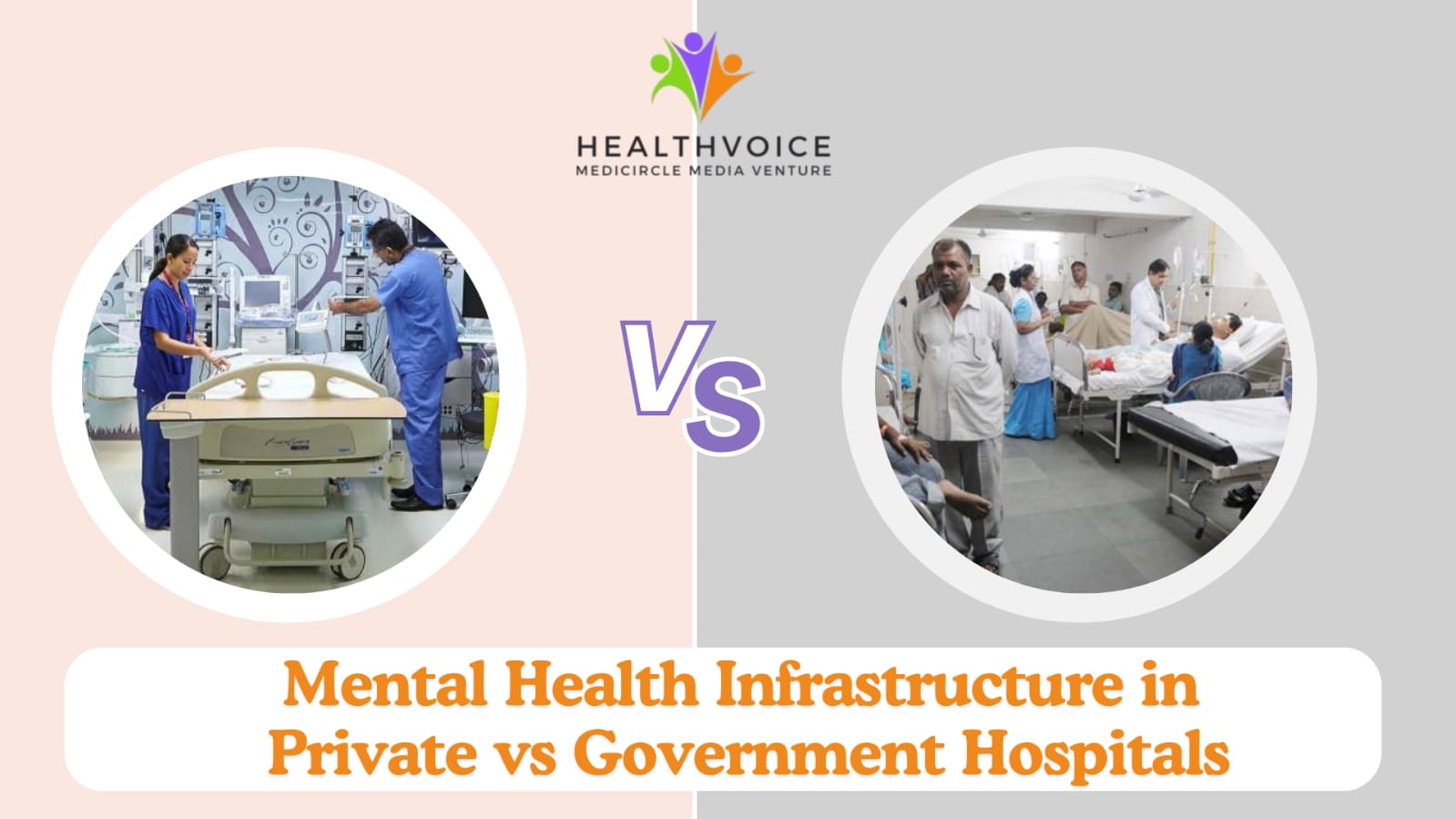
Where does one turn in a mental health crisis? To a government hospital? Or a private clinic? Both have doors open, but the rooms behind them often look different. Understanding these contrasts is the first step toward improving care for all.
The Promise of Public Hospitals
Government hospitals carry the weight of the population. They’re often the first point of contact for people without insurance or savings. Mental health treatment here is mostly free or subsidized.But here’s what’s often seen:
● Long queues
● Overworked staff
● Medication over therapy
● Shortage of psychiatrists and clinical psychologists
● Outdated infrastructureThe National Mental Health Survey found that over 80% of people in need don’t receive proper care. That’s not always due to lack of intent—but lack of resources. In rural or Tier 2 towns, government-run facilities may be the only option. And yet, therapy sessions may happen once a month—if that.
What Private Hospitals Offer
Private hospitals look different. They smell cleaner. Their waiting rooms are quieter. Consultations are easier to schedule. Modern tools and multi-specialty teams are available.Here’s what stands out:
● Shorter wait times
● Access to newer medications and therapies
● Personalised treatment plans
● Better infrastructure and ambience
● In-house counselling, psychiatry, and rehab
But it comes at a cost.A single therapy session can range from ₹800 to ₹3000. Long-term treatment? That runs intolakhs. Mental health insurance has improved—but isn’t enough.And in smaller cities, good private mental health services are still rare. The problem isn’t alwaysavailability. It’s affordability and reach.
Both Roads Have Potholes
Neither system is perfect. In public hospitals, stigma is felt. In private ones, it’s priced in. Inboth, awareness remains low. There’s a shortage of qualified mental healthprofessionals—everywhere.Even today:
● Mental illness is seen as weakness.
● Therapy is viewed as luxury.
● Medication is feared or misunderstood.
It’s not just infrastructure that needs work. It’s mindsets, systems, and support.
What Needs to Change
Progress will need both sectors. One cannot work without the other.
● Government hospitals need funding and trained staff.
● Private ones must push for inclusion and affordability.
● The partnership between the government and the corporate world can become thesolution.
● Mental health must move beyond metro cities.And most importantly—mental health must be treated like any other illness.Not hidden. Not delayed. Not ignored.
Conclusion
The situation is the same whether you step into a government or a private hospital you need to be listened to, understood and cured. The path may differ. But the destination should be equal.
#MentalHealthMatters #MindCare #MentalWellbeing #HealthBeyondHospitals #RuralMentalHealth #InclusiveHealthCare #HealthSystemReform #healthvoice