Robotics in Surgery: Hype Versus Measurable Outcomes
Robotic surgery in India offers measurable improvements in recovery times and surgical precision. By focusing on patient outcomes like reduced pain and shorter hospital stays, this technology justifies its growing role.
Robotics in Surgery: Hype Versus Outcomes
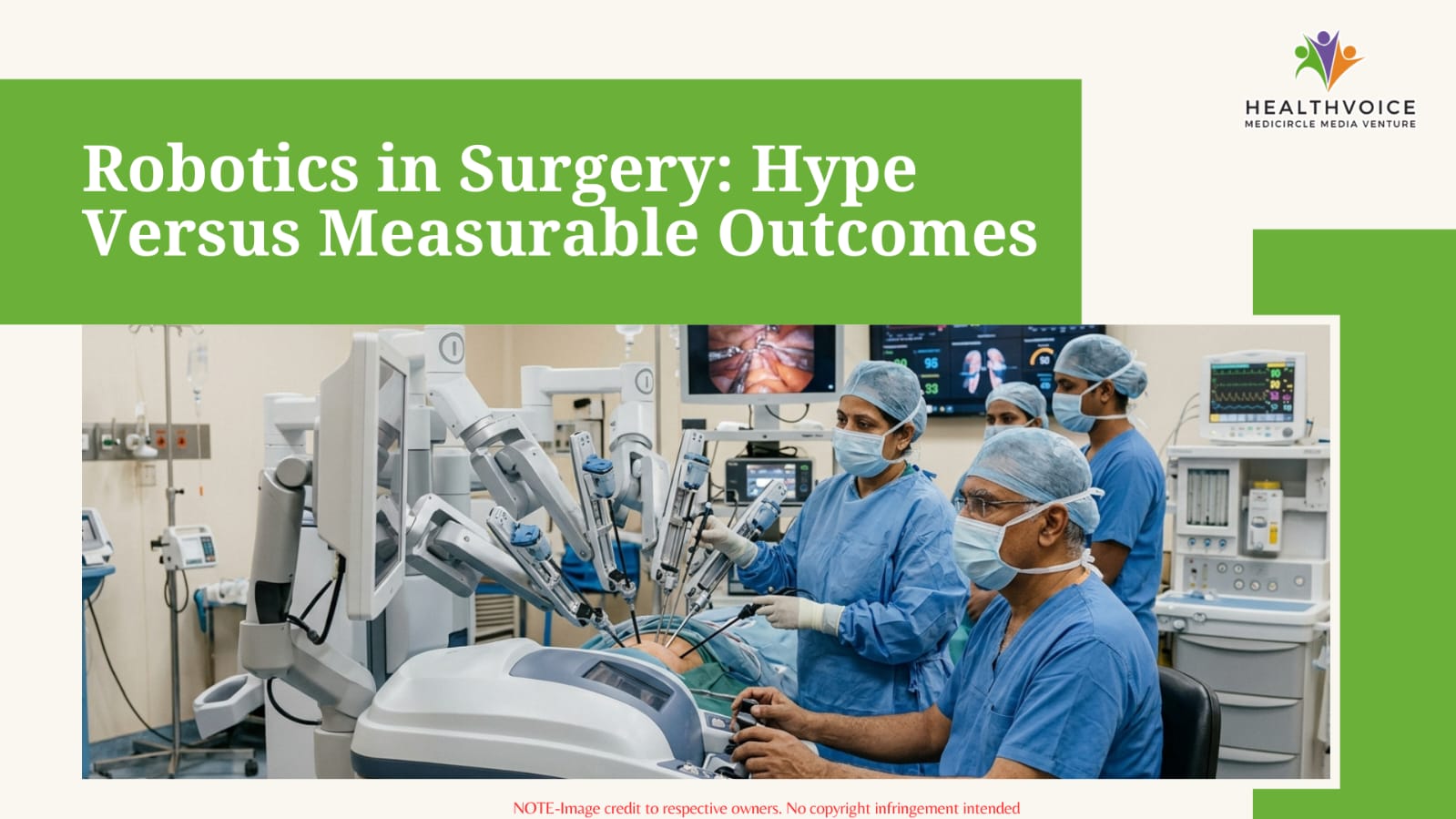
If you walk into a major hospital in Delhi or Mumbai today, you are likely to hear a lot about robotic-assisted surgery. It sounds like something out of a science fiction movie where sleek metallic arms and high-tech consoles replace the traditional image of a surgeon. For many Indian patients facing a major operation, the question is not just about the technology. They want to know if it actually works better than traditional methods.
Is this a genuine medical breakthrough that justifies the cost or is it just the latest hospital marketing trend? To find the answer, we must look past the visual appeal of the machines. We need to focus on the actual recovery and health results.
Beyond Keyhole Surgery
To understand our current position, we must look at where we started. For many years, laparoscopic or keyhole surgery was the gold standard. It allowed doctors to operate through small holes rather than large incisions. However, laparoscopy has its own limits. The tools are rigid and the surgeon views the site on a flat screen.
Robotic Technology Evolution
Robotics in surgery is the next evolution of this technique. Systems such as the Da Vinci or the Indian SSI Mantra give surgeons a high-definition view of the body. More importantly, the robotic wrists can rotate in ways a human hand cannot. Since the first robotic setup at AIIMS New Delhi nearly two decades ago, India has seen a massive surge in this technology. It is not just about having the latest gadget. It is about providing doctors with better tools to navigate the incredibly tight and complex spaces inside the human body.
Tangible Patient Benefits
When we talk about measurable outcomes, we are talking about what happens to you after you wake up from anesthesia. For most Indian families, the biggest priority is getting a loved one back on their feet as quickly as possible. The data from Indian hospitals shows that robotic assistance offers several concrete advantages.
Less Physical Trauma
Because robotic arms are steady and precise, they cause much less damage to the healthy tissue surrounding a tumor or an organ. This leads to significantly less blood loss during the procedure. This often spares patients the need for stressful blood transfusions.
Faster Recovery Path
Smaller incisions mean less pain. Patients undergoing robotic procedures generally require fewer heavy painkillers. They can often leave the hospital days earlier than those who have traditional surgery. In a country where many people pay out of pocket for healthcare, spending two days in a room instead of six is a major victory for the family budget.
Lower Complication Risk
The risk of post-surgical infection is lower with robotic surgery. This is because the wounds are smaller and the internal organs have less exposure to the environment.
Addressing Cost Gaps
We cannot ignore the high price of these procedures. It is true that robotics in surgery usually comes with a higher price tag in India. The equipment is expensive to import and the specialized tools used during the operation are often single-use only.
However, we are seeing a shift in how we calculate value. If a patient returns to their job a week earlier, the total cost of the illness may actually be lower. Furthermore, the landscape is changing. The arrival of made-in-India robotic systems is starting to drive prices down. More insurance companies are now recognizing these procedures as modern treatments that deserve coverage.
Surgeon and Machine
One of the most important things for any patient to realize is that the robot does not perform the surgery. It does not make decisions or move on its own. It is a sophisticated tool entirely controlled by a human expert sitting a few feet away.
The success of the operation depends heavily on the experience of the surgeon. India now boasts a growing community of hundreds of certified robotic surgeons. However, there is a learning curve. The best results usually come from hospitals where these teams perform the same robotic procedures every single day. When choosing this path, the track record of the surgeon is just as important as the technology they use.
Primary Robotic Applications
Robotics is not necessary for every surgery. But in specific fields, the outcomes are difficult to argue with.
Urology and Oncology
For prostate surgeries, the precision of the robot helps protect the delicate nerves that control urinary and sexual function. In cancer care, robots allow for the removal of complex tumors with extreme accuracy. This often saves the rest of the healthy organ.
Gynecological Care
It has become a game-changer for complex fibroid removals or hysterectomies. These procedures allow for much faster healing for women.
A Balanced Perspective
The hype of robotics is slowly being replaced by hard evidence. For the Indian patient, the goal is to find a balance. While the technology is exciting, it should be used when it offers a clear advantage in safety and long-term health.
The transition from traditional surgery to robotic assistance is a major milestone in Indian healthcare. The real victory is found in less pain, fewer infections, and a faster return to daily life. As long as we prioritize the skill of the surgeon over the trendiness of the machine, the future of surgery in India looks incredibly bright.
 Team Healthvoice
#RoboticSurgery #PatientCare #healthvoice