The Future of Primary Care in India
India is reinventing primary care by merging traditional family medicine with digital innovation. This transition focuses on preventive wellness, digital records, and equitable access to ensure high quality, empathetic healthcare for every citizen.
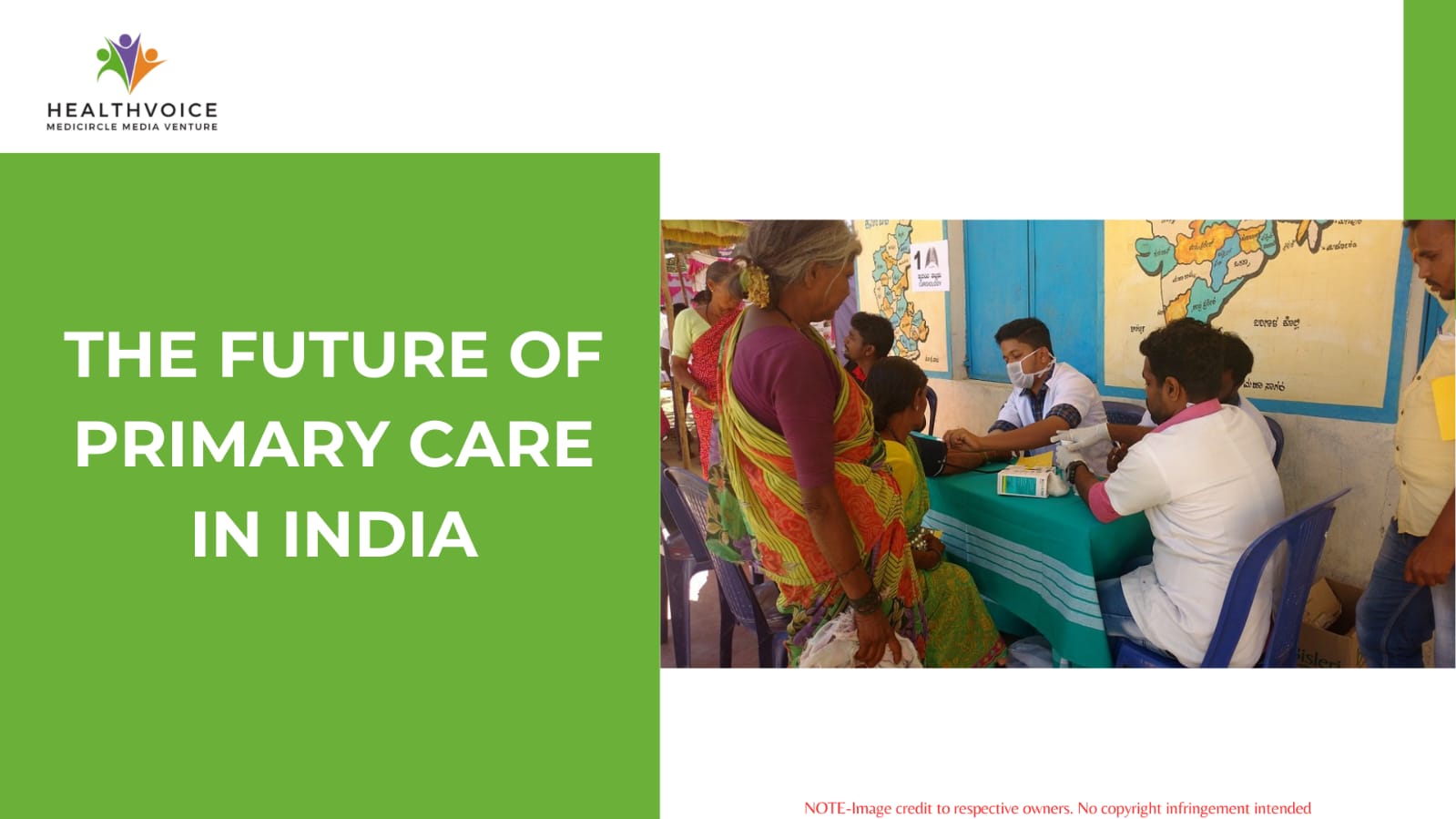
For many individuals in India, the memory of a family doctor remains a warm one. This was usually the physician who lived just around the corner from home. This doctor knew your name without checking a medical chart and truly understood your family history. However, as lifestyles became faster and cities became more crowded, that intimate connection often faded away. Patients found themselves lost in a sea of busy waiting rooms and massive specialized hospitals. Today, we are witnessing a powerful comeback of this model with a modern twist. Primary care in India is being rebuilt from the ground up to be smarter and much more personal.
Prioritizing Proactive Wellness:
In the past, the office of a doctor was a place we visited only when something was wrong. This usually occurred when a fever would not break or a physical pain became unbearable. We practiced a form of reactive medicine for a long time. The future is now shifting toward a model of proactive wellness.
With lifestyle conditions like hypertension and diabetes rising across India, the new goal is to stop problems before they start. Modern clinics are moving away from just handing out prescriptions to patients. Instead, these facilities are becoming centers for health coaching and early risk detection. By using routine screenings and lifestyle data, doctors can now help us manage our health in real time. This approach keeps us out of the hospital and focused on long-term vitality.
The Phygital Clinic Rise:
The most visible change in healthcare is how seamlessly technology has entered the exam room. We have moved past the simple novelty of video calls in recent years. Today, digital tools are the quiet workhorse of the Indian medical system. This phygital approach is a mix of physical clinics and digital access that acts as a true game changer.
Telehealth has become a standard for patients in smaller towns across the country. A quick virtual follow up saves many hours of travel and prevents lost wages for workers. Furthermore, the days of carrying a heavy folder of old blood reports and X-ray films are finally numbered. Digital records ensure that your local doctor and a city specialist are looking at the same data. This connectivity prevents medical errors and ensures your treatment is consistent and safe.
Fighting Medical Misinformation:
We live in an age where a quick internet search can lead to a rabbit hole of misinformation. This infodemic can be dangerous because it leads to self-diagnosis or unnecessary anxiety. Because of this reality, the role of the primary care doctor is evolving into that of a health navigator.
Doctors and platforms like HealthVoice are stepping up to provide human verified and culturally relevant health information. The goal is to improve health literacy across the entire country. When you understand the reason behind your lifestyle changes or medication, you are far more likely to stick with the plan. The future of care is a partnership where the doctor brings the science and the patient brings the informed commitment.
High Tech Human Care:
It might sound contradictory, but Artificial Intelligence is actually helping doctors become more human. By automating the paperwork and quickly flagging abnormal test results, technology gives physicians more time to talk with their patients.
Artificial Intelligence does not replace the doctor in this modern setting. It acts as a highly intelligent assistant for the medical professional. It can help tailor health plans to a specific background by considering genetic predispositions and local dietary habits. This level of precision medicine ensures that your healthcare is as unique as your own thumbprint.
Closing the Regional Gap:
One of the greatest challenges for India has always been ensuring that a person in a remote village receives high quality care. The evolution of primary care is finally making this equality possible for everyone.
By equipping rural health outposts with diagnostic technology and high speed connectivity, we are decentralizing medical expertise. A local healthcare worker can now consult with a specialist hundreds of miles away in real time. This is not just about convenience for the patient. It is about equity and ensuring that a postal code does not determine the life expectancy of a citizen.
Restoring Medical Trust:
Ultimately, the most important shift is not found in an app or a piece of medical equipment. It is found in the relationship between the patient and the healthcare provider. There is a renewed focus on empathy and communication skills in modern medical training.
The next generation of Indian doctors is being taught that listening is just as important as diagnosing a disease. By building a system based on transparency and mutual respect, we are restoring the trust that serves as the foundation of healing. The future of primary care in India is bright because it honors the heritage of the family doctor while embracing the digital age. It is a vision where healthcare is a supportive and ongoing presence in our daily lives.
 Team Healthvoice
#PreventiveHealth #AIInHealthcare #HealthEquity #MedicalTechnology #HealthcareInIndia #PhygitalHealthcare #HealthLiteracy #RemoteHealthcare #RuralHealth #HealthCoaching#PatientExperience #HealthcareAccess #SmartHealthcare #LifestyleMedicine #DoctorPatientRelationship #healthvoice