Track-and-Trace Serialization: Combating Fake Medicines
Pharmaceutical track-and-trace systems combat counterfeit medicines through unit-level serialization, QR verification, RFID, blockchain, secure packaging, and field testing, strengthening supply chain transparency, regulatory compliance, medicine authenticity, and patient safety globally.
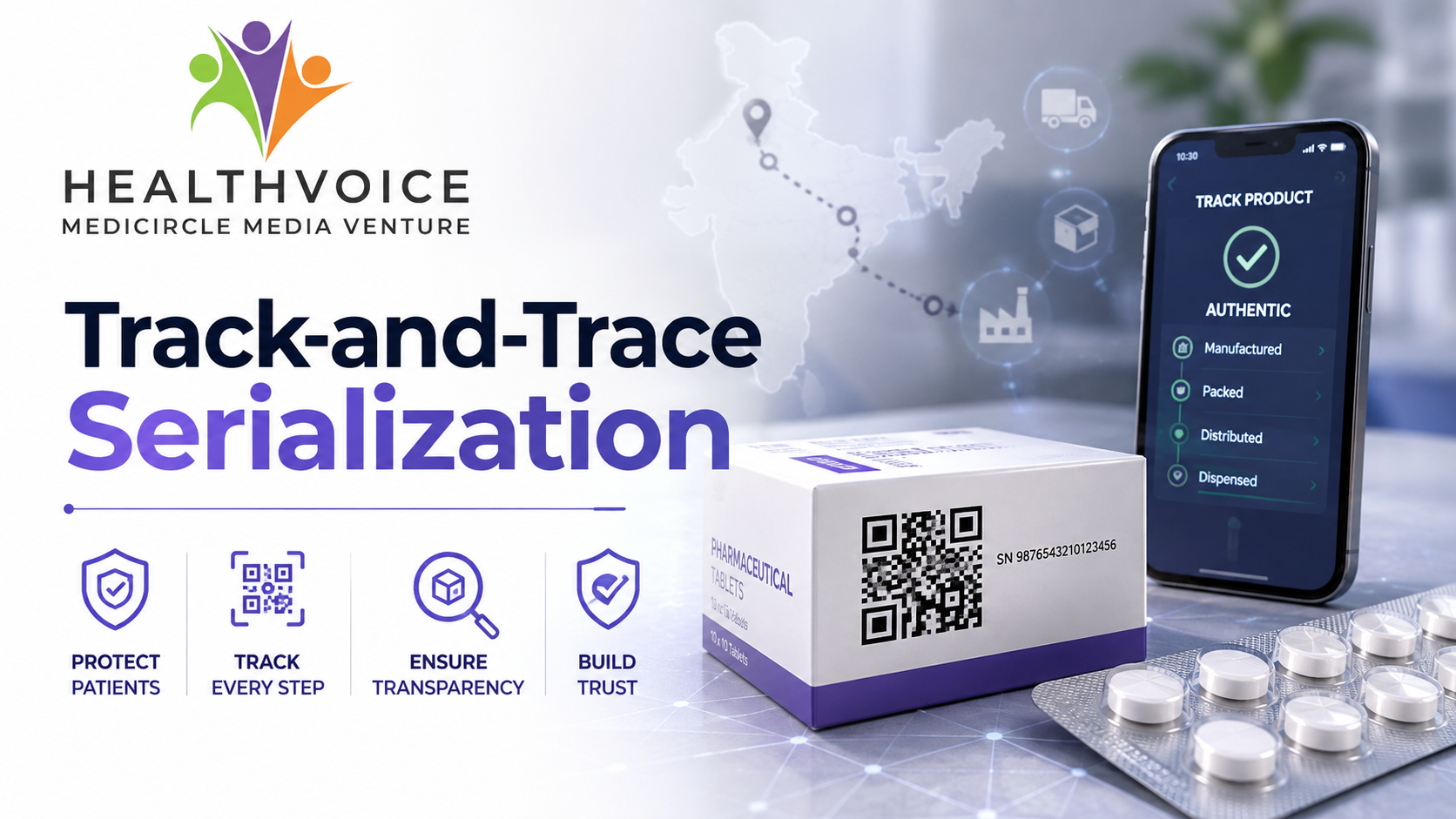
The global pharmaceutical industry is facing an increasingly sophisticated threat from counterfeit and falsified medicines. Substandard antimicrobials are actively accelerating antimicrobial resistance rates, while fake life-saving therapeutics (such as oncology drugs and cardiovascular medications) are putting patient safety at risk.
To secure patient safety, regulatory agencies and pharmaceutical manufacturers have shifted from reactive, manual testing protocols to digital pharmaceutical track and trace serialization architectures. Utilizing physical packaging upgrades, interconnected software ledgers, and field-level composition scanners, the pharmaceutical sector is working to secure the drug supply chain.
1. Core Structural Drivers of Modern Supply Chain Tracking
The global framework for drug security relies on the absolute enforcement of unit-level serialization—assigning a unique digital passport to every individual blister pack, vial, or bottle rather than simply tracking large wholesale batches.
- Factory Commissioning: High-speed thermal inkjet or laser systems print unique 2D barcodes onto primary packs, activating them in the central database before leaving the facility.
- Warehouse Aggregation: Individual units are bound to parent bundle codes, which are in turn aggregated into master case profiles for automated multi-tier scanning.
- Point-of-Sale Clearance: The dispensing pharmacist scans the unit QR code, verifies the match against the central cloud registry, and deactivates the serial code upon patient handover.
- The Transition from Revenue to Risk: Regulators are actively re-engineering track-and-trace laws to prioritize high-risk therapeutic classes rather than just high-revenue blockbuster brands. Mandatory serialization grids are continuously expanding to provide end-to-end coverage across four critical therapeutic segments: vaccines, antimicrobials, anti-cancer medications, and addictive opioids or psychotropics.
- The Counterfeit Re-registration Barrier: Digital track-and-trace frameworks eliminate the historical practice of reusing authentic empty packaging to distribute fake or diluted medications. Once an individual pack’s unique code is scanned and marked as "dispensed" at a retail pharmacy window, the central registry locks that specific number, causing any future replication or re-entry attempt to trigger an immediate fraud alert.
2. Global Anti-Counterfeiting Technological Solutions
A multi-layered defense strategy utilizes overt, covert, and digital serialization technologies to verify drug authenticity from the production floor straight to the patient:
- Digital 2D Barcodes & QR Codes: Enforces Schedule H2 mass encryption standards (Product ID, Batch Number, Expiry). Provides decentralized verification for pharmacists using standard smartphone interfaces with low integration friction.
- Radio-Frequency Identification (RFID): Stores unique digital unit profiles on active or passive electronic tags. Enables massive, simultaneous inventory scanning without requiring direct line-of-sight across warehouse checkpoints.
- Blockchain Ledgers: Distributes tracking logs across an immutable, decentralized ledger. Guarantees complete custody records that cannot be altered by bad actors during transit.
- Near-Field Communication (NFC): Embeds encrypted, high-security chips straight into premium vial labels. Allows instant tap-to-verify logs on smartphones with low risk of duplication.
- Portable Raman Spectroscopy: Executes non-destructive chemical composition scans in under 30 seconds. Empowers customs officers to catch altered chemical compounds without opening packs.
3. Operational Bottlenecks in Supply Chain Compliance
While the technology to eliminate fake medicines is readily available, global rollout efforts encounter three major systemic operational hurdles:
- The Genuine Logging Lag: A primary vulnerability in real-time databases stems from data integration delays. If an authentic small-scale manufacturer experiences network issues and delays uploading a batch of fresh tracking numbers, a sophisticated counterfeiter who replicates the visual label could potentially log the copied sequence first, causing the authentic medication to appear as a counterfeit.
- Financial Pressures on Small and Medium Enterprises (MSMEs): Upgrading standard assembly lines with high-speed serialization printers, automated cameras, and compliant software layers requires substantial upfront capital. For essential medications under strict public price controls, absorbing these technology costs can strain the financial viability of smaller regional labs.
- The Lack of Interoperable State Registries: Track-and-trace systems are only as strong as the databases that power them. The current logistics ecosystem is frequently held back by fragmented, non-interoperable regional software networks, highlighting the urgent need for a unified, real-time national clearinghouse.
4. Strategic Action Plan: 4-Phase Serialization Roadmap
To insulate supply chains from contamination, secure regulatory compliance, and protect international export profiles, operations teams can execute a structured four-phase implementation roadmap:
- Deploy Bidirectional Serialization Middleware NetworksPhase 1: Line Upgrades & MiddlewareDismantle fragmented tracking methods inside packaging lines. Integrate automated 2D data-matrix serialization workflows that communicate directly with central regulatory networks, ensuring unique product identification numbers are generated, printed, and logged into the central clearinghouse in real time as they roll off the production floor.
- Incorporate Layered Overt and Covert Security ElementsPhase 2: Overt & Covert IntegrationProtect high-value injectables and critical therapeutics by pairing unique QR codes with tamper-evident structural seals, color-shifting security inks, and hidden forensic taggants embedded directly into the label material, making visual packaging replication exceptionally difficult for counterfeiters.
- Mandate Continuous Downstream Auditing with Portable ScannersPhase 3: Field-Level Analytical AuditingExtend security presence past the factory gate. Equip regional quality control teams and primary distribution centers with portable, cloud-connected handheld Raman spectrometers, enabling rapid, non-destructive chemical and packaging validation checks at key border checkpoints and wholesale hubs.
- Enforce Mandatory Point-of-Sale Dispensing VerificationPhase 4: Retail & Point-of-Sale IntegrationEquip retail and hospital pharmacies with high-speed barcode scanners integrated with national medicine registries, ensuring mandatory deactivation of serialization tokens upon patient handover.
Actionable Strategy: Digital Governance & Regulatory Alignment
- Maintain Digital Batch Verification via Central Health Networks: Ensure serialization clearinghouses maintain continuous API connectivity to national digital health infrastructure—such as the ABHA ID (Ayushman Bharat Health Account) network. This allows dispensing pharmacists to link verified medicine batch numbers directly to digital patient health records.
- Verify Quality Assurance & Chemical Analyst Credentials: Ensure pharmaceutical quality control leads, regulatory compliance officers, and analytical chemists hold certified qualifications verified through national digital education registries like the APAAR ID system within the Academic Bank of Credits (ABC) network.
- Standardize Master Data Interfaces: Enforce strict adherence to global GS1 standards across all tier-1 and tier-2 packaging lines to ensure seamless cross-border interoperability during international pharmaceutical export and customs verification.
Frequently Asked Questions (FAQs)
Q1. What is a pharmaceutical track-and-trace mechanism?
A track-and-trace system is an integrated logistics security architecture that monitors the movement of pharmaceutical units throughout the supply chain. By assigning a unique digital identifier to every individual package, it allows regulators, manufacturers, and pharmacists to follow a medicine's journey from the production floor straight to the patient.
Q2. How do modern QR codes prevent counterfeiters from copying genuine packaging?
While a counterfeiter can visually replicate a 2D barcode, they cannot duplicate its registry status. Modern systems use a unique, single-use identity profile for each package; the moment a pharmacist scans a genuine pack at the point of sale, that identity is deactivated in the database, meaning any copied clone will fail subsequent verification checks.
Q3. Why are regulators prioritizing vaccines, cancer drugs, and antimicrobials for mandatory tracking?
These therapeutic classes represent high-risk vectors for counterfeit networks. Spurious cancer drugs can cause immediate treatment failure, counterfeit vaccines compromise public immunity efforts, and diluted or substandard antimicrobials accelerate global antimicrobial resistance by failing to completely eradicate bacterial strains.
Q4. What is the role of blockchain technology in pharmaceutical security?
Blockchain operates as a decentralized, tamper-proof digital ledger that records every transfer of ownership across the supply chain. Because these records are immutable, bad actors cannot retroactively alter transit logs or introduce illegitimate, unverified batches into the distribution network.
Q5. How does a handheld Raman spectrometer verify drug legitimacy on-site?
A handheld Raman spectrometer utilizes advanced light-scattering spectroscopy to analyze the molecular chemistry of a medication through its translucent packaging. By comparing the sample's unique chemical fingerprint against a verified cloud library, it detects the absence of active ingredients or the presence of dangerous fillers in under 30 seconds.
Q6. What happens if a counterfeit product is logged into a track-and-trace registry before the authentic unit?
This scenario creates a logging conflict. If a counterfeiter registers a stolen sequence before the genuine manufacturer uploads their batch data, the authentic medication will appear as a duplicate or fake, emphasizing the critical need for immediate, real-time data integration on production lines.
Q7. How do "parent-child" aggregation protocols optimize warehouse tracking?
Aggregation creates a clear, hierarchical link between individual units and their shipping containers. The system links individual item serial numbers ("children") to the barcode of their master case ("parent"), allowing warehouse teams to scan a single exterior case palette and verify the authenticity of hundreds of enclosed packs without opening the box.
Q8. What are the key elements contained within a compliant Schedule H2 medicine barcode?
A compliant serialization code must carry a standardized set of core data fields, including: the brand and generic names of the drug, a unique global product identifier code, the manufacturer's official license number, a dedicated batch number, the exact date of manufacture, and the non-negotiable expiration date.
Q9. Why are private retail pharmacies considered critical nodes in the fight against fake drugs?
Retail pharmacists serve as the final gateway before a medication reaches the patient. Track-and-trace networks rely heavily on front-line pharmacists maintaining a consistent habit of scanning every package barcode before making a sale, ensuring no unverified or flagged products slip into the community.
Q10. How long does it take for a manufacturing network to achieve a drop in supply chain contamination after adopting these systems?
When an enterprise updates its infrastructure to deploy mass serialization printing, connect automated cloud registries, and implement regular field spectroscopy audits, the protective return is rapid. Organizations observe a significant drop in packaging discrepancies, clean regulatory compliance profiles, and secure distribution networks within 4 to 6 weeks of active system deployment.
 Team Healthvoice
#PharmaTrackAndTrace #CounterfeitMedicines
