Current Best Practices in Managing Sepsis
Sepsis is a systemic crisis where the immune system damages its own tissues. By prioritizing early detection and disciplined adherence to treatment bundles, healthcare providers can save more lives.
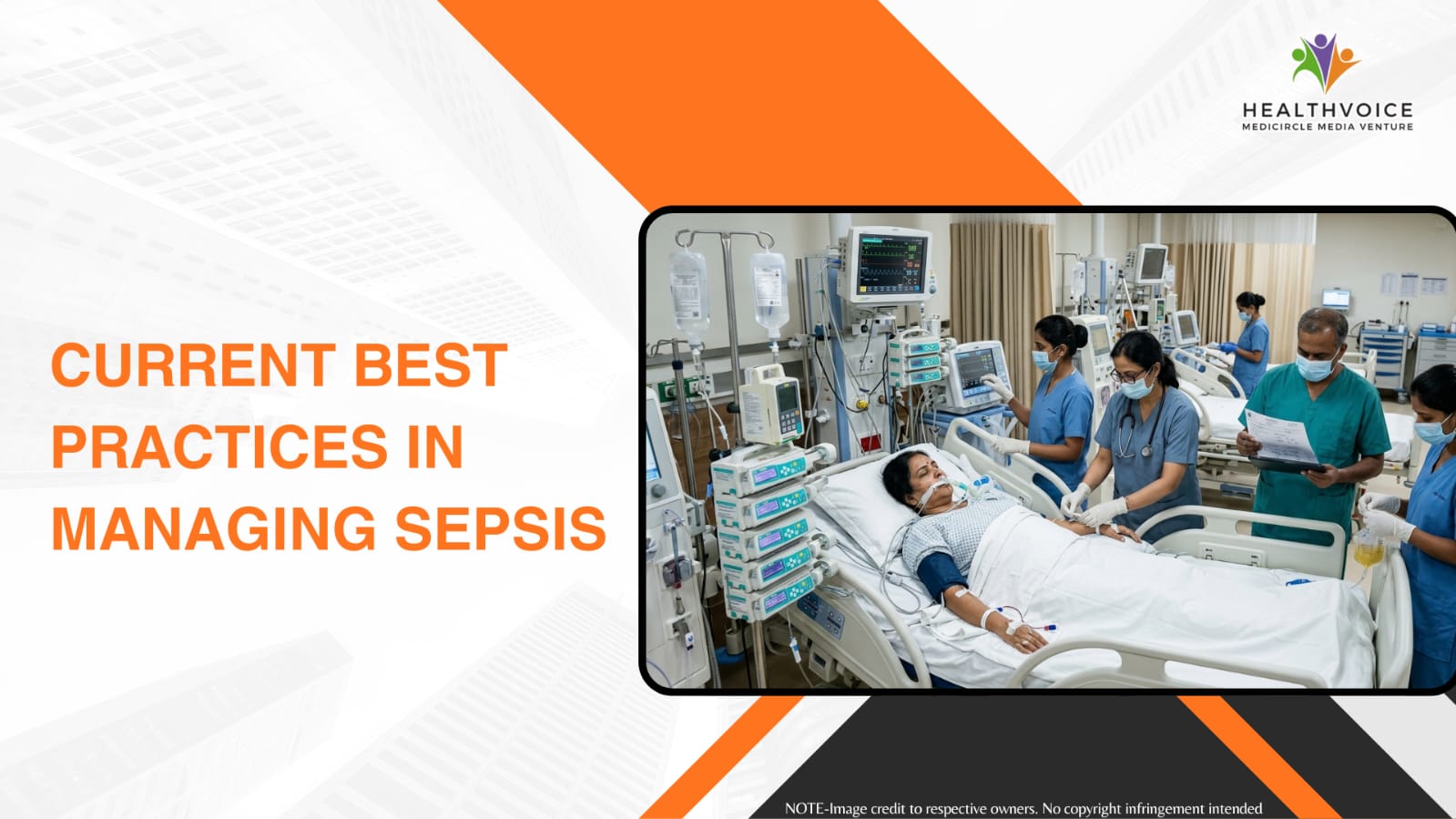
In the medical world, few things demand as much respect and rapid action as sepsis. It is not a simple infection. It is a systemic crisis where the immune system of the body goes into overdrive to fight an invader. This process inadvertently damages its own tissues and organs. Across India, sepsis remains a major hurdle for healthcare providers. The situation is complicated by high infection rates and the rising challenge of antibiotic resistance. However, with the right approach and a high degree of vigilance, we can significantly change the outcome for patients caught in this storm.
Power of Early Detection:
The most effective tool against sepsis is time. The concept of the Golden Hour exists because the faster we act, the better the chances of survival become. Today, medical professionals have moved away from vague checklists. We now rely on more precise markers to spot trouble early. Clinicians in high volume Indian hospitals look for three primary red flags to identify risks.
First, we monitor mental clarity to see if the patient is suddenly confused or drowsy. Second, we check blood pressure to see if the top number has dropped to 100 or below. Third, we measure the breathing rate to see if the patient is taking 22 or more breaths per minute. Spotting these signs early allows for the start of treatment before the organs begin to fail.
Immediate Clinical Actions:
Once a doctor suspects sepsis, the medical team enters a high intensity One Hour Bundle of care. This protocol is a global standard of excellence. The team first tests lactate levels in the blood. Lactate acts as a distress signal indicating that tissues are not getting enough oxygen.
Next, we start intravenous fluids to stabilize blood pressure. In India, this requires a personalized touch because many patients have underlying heart or kidney issues. We do not simply set the fluids and walk away. We constantly monitor how the patient responds to every drop. Finally, getting the right antibiotics into the bloodstream within that first hour is non-negotiable. Every hour of delay increases the risk of mortality.
Precision in Treatment:
Fighting sepsis requires a balance between being aggressive and being smart. Initially, we use broad spectrum antibiotics to cover all bases. However, India faces a unique challenge with multi drug resistant organisms. The goal is to move from a general approach to a targeted approach as quickly as possible. As soon as lab results identify the specific bacteria, we de-escalate the treatment. We switch to a targeted antibiotic that kills the specific bug while sparing the rest of the body.
Fixing the Source:
A doctor cannot put out a fire if the gas line is still open. This is what we call source control. If the infection comes from an abscess or an infected line, it must be drained or removed. Usually, this must happen within the first 12 hours. Without fixing the physical source, medications can only do so much. If blood pressure remains low despite fluids, we use medications called vasopressors to keep blood flowing to vital organs. This stage requires constant monitoring because the condition of a patient can shift in a heartbeat.
Road to Recovery:
Once the initial crisis is managed, the focus shifts to steadying the ship. This phase involves meticulous and supportive care. We protect the lungs for patients on ventilators by using gentle settings to prevent further strain. Keeping blood sugar levels stable below 180 milligrams per deciliter helps the body heal. We also prefer feeding patients through a tube into the stomach whenever possible. This keeps the digestive system healthy and acts as a barrier against more bacteria.
A Proactive Future:
The future of sepsis management in India lies in moving away from reactive medicine. We must move toward proactive and data driven care. By combining clinical intuition with modern digital tools, we can save more lives. Sepsis is a formidable opponent. However, we can beat it with speed, precision, and constant reassessment.
 Team Healthvoice
#SepsisAwareness #CriticalCareIndia #healthvoice