The Future of Telemedicine in India
The future of telemedicine in India is being shaped by digital healthcare behavior, remote consultations, AI integration, and evolving patient expectations. As telehealthcare, telemedication, and smart healthcare systems continue to expand, digital healthcare is becoming more preventive, connected, and accessible for everyday life.
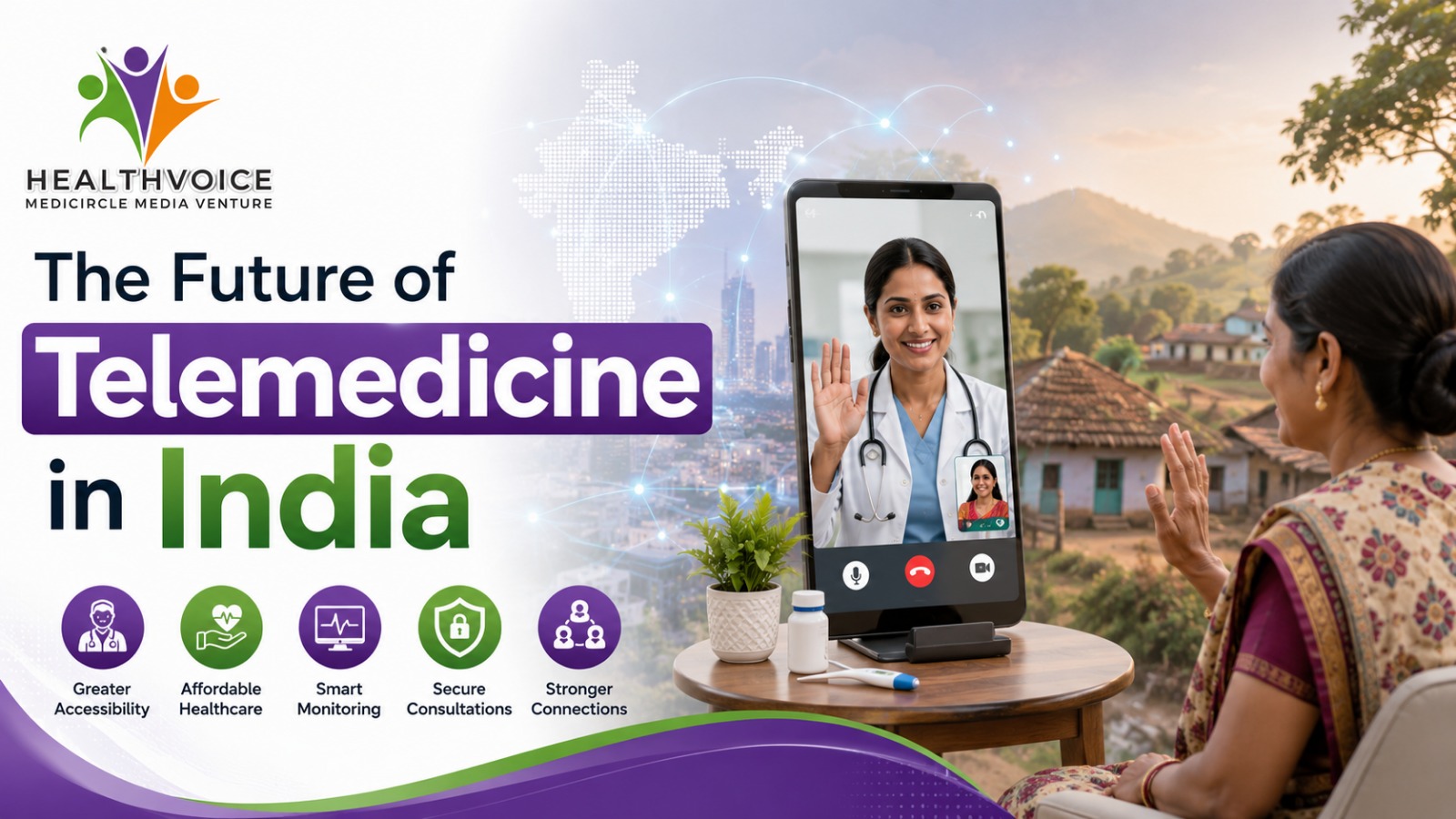
The Future of Telemedicine in India
The future of telemedicine in India is no longer a prediction. It is already unfolding across hospitals, startups, rural clinics, and even everyday smartphone usage. What once felt like an emergency solution during healthcare disruptions has gradually become part of normal healthcare behavior. Patients now expect faster access, doctors are adapting to digital workflows, and healthcare businesses are investing heavily in remote care systems.
But the future of telemed in India is not only about video consultations. It is about how healthcare itself is changing. From AI-assisted diagnostics to remote monitoring and digital prescriptions through telemedication, the healthcare system is moving toward a more connected and accessible model.
Why Telemedicine Is Growing Faster Than Expected in India
India’s healthcare system has always faced a difficult imbalance between population size and healthcare accessibility. Large cities often have advanced hospitals, while smaller towns and remote regions struggle with doctor availability. This gap created the perfect environment for telemedicine services to grow rapidly.
However, accessibility is only one part of the story. Smartphone penetration, affordable internet access, and increasing digital awareness changed how people interact with healthcare. Younger populations adapted quickly, but even older age groups gradually became comfortable using remote healthcare systems, especially after experiencing long waiting times in traditional clinics.
Another reason behind the rapid growth is behavioral change. Patients no longer want healthcare to depend entirely on physical presence. Many people now prefer speaking to a telemedicine doctor for early symptoms, follow-up consultations, medication reviews, or lifestyle guidance rather than spending hours traveling and waiting.
The healthcare industry also realized that digital healthcare reduces operational pressure. Hospitals can manage patient flow more efficiently, while doctors can expand consultation reach beyond geographical limitations. This shift is turning telemedicine in healthcare from an optional service into a core healthcare infrastructure component.
How Telemedicine Is Changing Real-Life Healthcare Behavior
The most important transformation is not technological. It is behavioral.
Earlier, people often ignored early symptoms because visiting a hospital required time, travel, and expense. Today, a quick consultation with a telemed doctor allows patients to seek medical advice much earlier. This small behavioral change can significantly improve preventive healthcare outcomes.
For example, people managing diabetes, blood pressure, digestive issues, or mental health concerns now use telehealthcare systems for regular follow-ups instead of waiting until conditions worsen. Parents often consult pediatric specialists remotely for minor concerns before deciding whether physical visits are necessary.
This shift also changes how healthcare is emotionally experienced. Many patients feel less anxious speaking from home, especially elderly individuals or people dealing with chronic illnesses. A familiar environment often improves communication quality during consultations.
The system is also affecting doctors themselves. A teleconsultation doctor today must communicate differently than during physical visits. Since body language and physical examination are limited, digital consultation increasingly depends on listening skills, questioning patterns, and structured communication.
This is creating a new style of healthcare interaction where clarity, speed, empathy, and digital accessibility become equally important.
The Business Side of Telemedicine and Why Entrepreneurs Are Watching Closely
Healthcare entrepreneurs are paying close attention to telemedicine because it solves multiple long-standing inefficiencies simultaneously.
Traditional healthcare systems require heavy infrastructure investment. Clinics, hospitals, staff management, and geographic expansion involve significant operational costs. Digital healthcare platforms reduce many of these limitations while allowing scalable growth.
This is why startups focused on telemedication, AI diagnostics, remote monitoring, mental health platforms, and virtual specialist consultations are receiving strong investor interest.
Several emerging business patterns are shaping the industry:
- Subscription-based telemedicine services are creating recurring healthcare modelsInstead of one-time consultations, many platforms now offer monthly healthcare subscriptions. These include unlimited consultations, medicine reminders, wellness tracking, and specialist access. This approach improves long-term patient engagement while creating predictable business revenue.
- Rural healthcare expansion is becoming commercially viable through digital systemsEarlier, healthcare businesses struggled to operate profitably in low-density regions. Now, digital platforms allow a single specialist to consult patients across multiple locations without physical infrastructure expansion. This changes the economics of healthcare accessibility significantly.
- Corporate telehealthcare programs are becoming employee wellness toolsMany companies now integrate virtual healthcare systems into employee benefit programs. Mental health consultations, lifestyle coaching, and remote doctor access are increasingly viewed as productivity and retention investments.
The future market is not limited to hospitals anymore. Insurance companies, pharmacies, diagnostic chains, wearable technology brands, and wellness startups are all entering the digital healthcare ecosystem.
Why Telemedicine Still Faces Trust and Accessibility Challenges
Despite rapid growth, telemedicine in healthcare still faces important challenges that will shape its future direction.
One of the biggest concerns is trust. Many patients still believe physical examination is necessary for proper diagnosis. This concern becomes stronger among elderly populations or individuals unfamiliar with digital healthcare systems.
Internet accessibility also remains inconsistent. While urban users benefit from stable connectivity, remote regions still face infrastructure limitations. Video consultations become difficult when connectivity is poor, affecting consultation quality and patient confidence.
Another issue is digital literacy. Younger populations adapt quickly, but some users struggle with appointment systems, payment methods, or digital prescription processes. This creates friction during healthcare access.
There are also concerns around data privacy and medical security. As healthcare becomes more digitized, patient records, consultation history, and prescription information require stronger protection systems.
Doctors themselves are still adapting to digital consultation frameworks. A telemedicine doctor must balance efficiency with detailed communication, especially when physical examination is not possible. This requires training and behavioral adaptation that many traditional systems are still developing.
The future success of telemed depends not only on technology but on whether systems become simple, trustworthy, and accessible enough for everyday users.
How AI, Remote Monitoring, and Smart Devices Will Shape the Next Phase
The next phase of telemedicine services will move far beyond video consultations.
Artificial intelligence is already helping healthcare systems prioritize cases, analyze symptoms, and assist doctors with clinical documentation. While AI will not replace healthcare professionals, it will likely reduce repetitive tasks and improve efficiency.
Remote monitoring is another major shift. Wearable devices can already track heart rate, oxygen levels, sleep patterns, blood sugar trends, and physical activity. When integrated with telehealthcare, doctors can monitor patients continuously rather than relying only on occasional appointments.
This changes healthcare from reactive treatment to continuous observation.
For example, a patient managing hypertension may no longer wait for symptoms to worsen. Instead, wearable devices may alert healthcare systems when readings change abnormally, triggering early intervention through a teleconsultation doctor.
Smart medication systems are also evolving. Future telemedication platforms may integrate reminders, dosage tracking, refill automation, and pharmacy delivery into a single healthcare ecosystem.
The long-term result is a healthcare model where treatment becomes more preventive, personalized, and data-driven.
Why Telemedicine Matters for Students, Professionals, and Future Healthcare Careers
The rise of telemedicine is also creating new career pathways beyond traditional medicine.
Healthcare students increasingly need digital communication skills alongside clinical knowledge. Understanding remote consultation ethics, digital diagnostics, and patient interaction through technology is becoming essential.
For business professionals and entrepreneurs, digital healthcare represents one of the fastest-growing sectors globally. Opportunities exist in healthcare SaaS platforms, AI tools, remote diagnostics, patient engagement systems, and digital pharmacy infrastructure.
Technology professionals are also entering healthcare ecosystems. App developers, cybersecurity experts, data analysts, and UX designers now play active roles in improving telemedicine services.
This shift matters because healthcare is no longer functioning as an isolated industry. It is becoming a combination of medicine, technology, behavioral science, communication, and digital infrastructure.
People who understand this overlap early will likely adapt better to future healthcare systems and career opportunities.
The Future of Telemedicine in India Beyond Urban Healthcare
One of the most promising aspects of telemed is its potential to reduce healthcare inequality.
Urban hospitals often dominate specialist care, but digital systems allow expertise to travel without requiring physical movement. Patients in smaller regions can now access specialists who were previously unavailable locally.
This also changes preventive healthcare awareness. Earlier, many people delayed treatment until symptoms became severe. Easier access to a telemed doctor encourages earlier consultation behavior, especially for recurring or chronic conditions.
Schools, workplaces, pharmacies, and community healthcare centers may eventually become digital healthcare access points rather than depending entirely on large hospitals.
The long-term future likely involves hybrid healthcare systems where physical and digital healthcare work together instead of replacing one another.
Conclusion
The future of telemedicine in India is not simply about convenience. It represents a broader transformation in how healthcare is accessed, delivered, and experienced. Digital healthcare is reshaping patient behavior, creating new business opportunities, improving accessibility, and encouraging earlier healthcare engagement.
While challenges around trust, infrastructure, and digital literacy still exist, the direction is clear. Telemedicine in healthcare is evolving from a temporary solution into a long-term healthcare model that combines technology, accessibility, and human-centered care.
Frequently Asked Questions (FAQs)
1. How is telemedicine changing healthcare access in India?
Telemedicine is improving healthcare access by reducing the need for physical hospital visits, especially for people living in smaller towns or busy urban areas. Through digital consultations and remote care systems, patients can now connect with specialists more quickly. This shift is also strengthening telehealthcare by making healthcare more accessible, flexible, and preventive.
2. What is the difference between telemedicine and telemedication?
While telemedicine focuses on remote consultation and healthcare communication, telemedication is more related to digital prescription support, medicine tracking, and medication management systems. Together, they create a connected healthcare ecosystem that improves treatment continuity and supports smarter healthcare behavior.
3. Why are businesses investing heavily in telemedicine services?
Healthcare businesses see strong long-term potential in telemedicine services because digital healthcare reduces operational limitations and improves scalability. It allows providers to serve more patients remotely while lowering infrastructure dependency. This growth is also connected to rising demand for remote healthcare accessibility and smarter digital health systems.
4. Can telemedicine completely replace physical hospitals in the future?
No, telemedicine in healthcare is more likely to work alongside physical hospitals rather than replace them entirely. Digital healthcare is highly effective for follow-ups, early consultations, and chronic condition management, but physical examination and emergency care still require in-person treatment. The future is expected to be a hybrid healthcare model.
5. How do teleconsultation doctors diagnose patients without physical examination?
A teleconsultation doctor relies heavily on communication, symptom analysis, patient history, and digital reports during consultations. Advanced digital tools and remote monitoring devices are also helping improve diagnostic accuracy. This approach works especially well for preventive care and non-emergency healthcare situations.
6. What role will AI play in the future of telemed systems?
Artificial intelligence will likely improve telemed systems by helping doctors manage patient data, prioritize consultations, and identify symptom patterns faster. AI may also support remote monitoring and healthcare automation, making digital healthcare systems more efficient and responsive over time.
7. Why do younger populations adapt faster to telehealthcare platforms?
Younger users are generally more comfortable with smartphones, apps, and digital communication systems, which makes telehealthcare adoption easier for them. However, older populations are also adapting gradually as healthcare platforms become simpler and more user-friendly. Digital familiarity strongly influences healthcare behavior today.
8. What challenges still affect telemedicine growth in India?
Despite rapid expansion, telemedicine services still face challenges such as inconsistent internet connectivity, digital literacy gaps, and patient trust concerns. Some users also prefer physical consultations for reassurance. Improving accessibility, communication quality, and healthcare infrastructure will remain important for future growth.
9. How does telemedication improve long-term patient care?
Telemedication helps patients manage prescriptions, medicine schedules, and treatment continuity more effectively. It reduces the chances of missed medication and improves convenience for people managing long-term health conditions. This creates a more connected and preventive healthcare experience.
10. Why is telemedicine important for future healthcare careers and businesses?
The rise of telemedicine is creating opportunities beyond traditional healthcare roles. Technology experts, healthcare startups, app developers, and digital healthcare businesses are all becoming part of the healthcare ecosystem. As digital healthcare expands, understanding remote care systems and healthcare technology will become increasingly valuable professionally and commercially.
 Team Healthvoice
#TelemedicineIndia #DigitalHealthcare
