Why Preventive Healthcare Matters More Than Ever
Modern lifestyles have increased the importance of preventive healthcare, making early awareness and regular monitoring essential for long-term well-being. Through structured preventive health check up routines and personalized wellness habits, people can better manage health risks and improve overall quality of life.
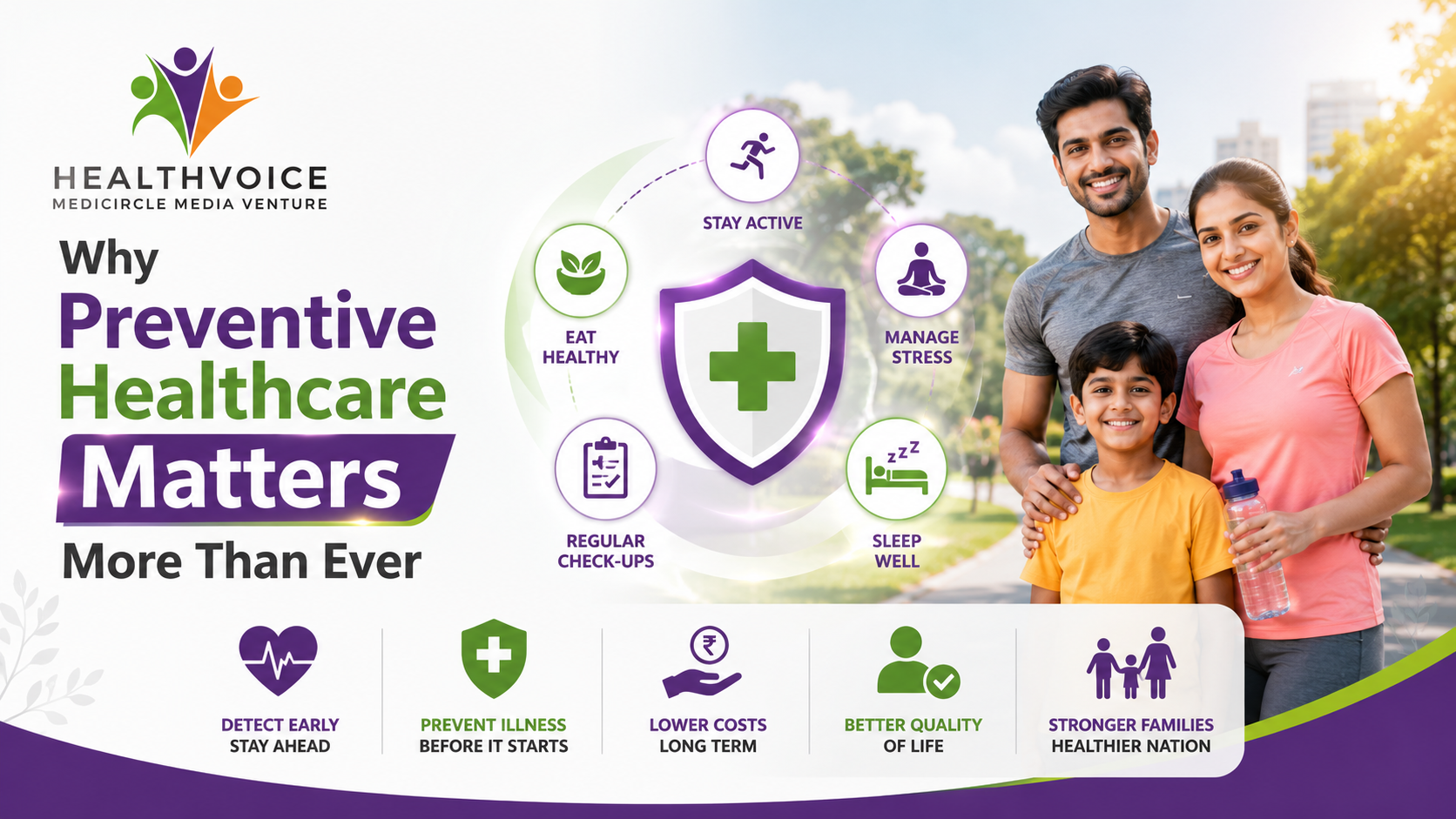
Why Preventive Healthcare Matters More Than Ever
Modern lifestyles have changed faster than human health habits. Long working hours, digital dependency, stress, irregular sleep, processed food, and reduced physical activity have quietly increased health risks across all age groups. This shift is exactly why preventive healthcare has become more important than ever before. Instead of waiting for illness to appear, people are now focusing on early awareness, routine monitoring, and smarter long-term health decisions through preventive medical care and regular preventive health check up practices.
The Shift from Reactive Care to Preventive Healthcare
For decades, healthcare systems around the world were built mainly around treatment. People visited hospitals when symptoms became serious, pain became difficult to ignore, or health conditions started affecting daily life. While treatment remains essential, modern health challenges have revealed the limitations of a purely reactive approach.
Today, many health conditions develop slowly and silently. High blood pressure, diabetes, digestive disorders, hormonal imbalance, sleep-related problems, and stress-driven conditions often begin years before noticeable symptoms appear. This gradual progression is one of the biggest reasons why preventive healthcare is gaining importance globally.
The idea behind prevention is simple but powerful. Instead of focusing only on curing disease, healthcare systems now emphasize identifying risks earlier. A routine preventive health check up helps people understand how their body is functioning before major complications occur.
This shift is also influenced by modern work culture and changing lifestyles. Professionals, students, entrepreneurs, and remote workers often ignore early signs due to busy schedules. Many continue functioning normally despite fatigue, irregular digestion, headaches, or sleep disturbances. Over time, these patterns affect long-term health.
The growing awareness around preventive medical care reflects a deeper change in mindset. People are beginning to understand that maintaining health is easier and less disruptive than recovering from advanced illness.
Why Modern Lifestyles Increase the Need for Preventive Care
The human body responds directly to lifestyle patterns, even when those patterns feel normal. Modern environments have created routines that quietly increase health risks without immediate warning signs.
Digital lifestyles have significantly reduced physical movement. Long hours of screen exposure affect posture, sleep quality, stress levels, and eye health. At the same time, convenience-based eating habits have increased the consumption of processed foods, irregular meals, and excessive stimulants like caffeine.
This combination creates slow but cumulative pressure on the body. Many people experience fatigue, digestive discomfort, headaches, poor concentration, or disturbed sleep without recognizing these as early warning signs. This is where preventive health services become valuable.
A structured preventive health checkup packages approach allows individuals to monitor health indicators before symptoms become severe. These checkups often identify patterns linked to nutrition, stress, metabolism, or cardiovascular health.
Environmental changes also contribute to this growing need. Urban pollution, irregular work schedules, travel fatigue, and sedentary office environments affect people differently depending on age, genetics, and lifestyle habits.
For example, younger adults may experience stress-driven sleep issues and metabolic imbalance, while older individuals may face increased cardiovascular risks. Students and entrepreneurs often ignore preventive habits due to workload and productivity pressure.
The importance of preventive healthcare services lies in identifying these gradual patterns before they evolve into larger health concerns.
How Preventive Healthcare Works in Real-Life Situations
One of the biggest misunderstandings about preventive healthcare is that people often associate it only with annual blood tests or hospital screenings. In reality, prevention works through continuous awareness, behavioral adjustments, and early intervention patterns.
Preventive care is not a single event. It is an ongoing process that combines monitoring, lifestyle awareness, and health education. A regular preventive health check up provides data, but the larger benefit comes from understanding how daily habits influence those results.
For example, two individuals may have similar health reports but very different long-term risks. One may exercise regularly, sleep properly, and manage stress effectively. Another may work long hours, skip meals, and remain physically inactive despite appearing healthy externally.
This is why preventive medical care focuses not only on disease detection but also on identifying behavioral trends.
How Preventive Care Supports Different Life Situations
- Working professionals benefit from early lifestyle monitoringLong office hours and sedentary routines often create stress-related health patterns. Regular monitoring helps identify fatigue, metabolic imbalance, and cardiovascular strain before symptoms begin affecting productivity or daily performance.
- Students and younger adults often overlook early warning signsIrregular sleep, excessive screen exposure, and poor eating habits may not create immediate illness but can slowly affect concentration, digestion, and energy levels. Preventive care helps identify these changes early.
- Entrepreneurs and business owners face stress-driven health risksConstant decision-making pressure and irregular schedules often lead to burnout patterns. Preventive care creates structured awareness around stress management and sustainable health habits.
- Older adults benefit from continuous monitoring and stabilityPreventive routines help maintain mobility, cardiovascular health, and overall quality of life while reducing long-term complications.
The real value of prevention lies in consistency rather than emergency intervention.
The Expanding Role of Preventive Health Screening
Modern healthcare systems are increasingly integrating preventive health screening into routine wellness practices. This change reflects the growing understanding that early detection improves both quality of life and long-term outcomes.
Screenings are useful because many conditions develop gradually. The body often adapts silently while internal imbalance continues progressing. By the time symptoms become noticeable, the condition may already require more complex management.
Preventive screenings create opportunities to identify these changes earlier. However, their purpose is not only medical detection. They also help individuals understand personal health patterns.
For example, repeated stress exposure may influence sleep quality, digestion, or cardiovascular markers over time. A structured screening process helps identify whether lifestyle patterns are creating cumulative effects.
This is especially important in modern environments where people normalize exhaustion, poor sleep, and irregular routines.
Another important factor is personalization. Not every individual requires the same preventive approach. Age, work style, family history, environmental exposure, and activity level all influence preventive care priorities.
This is why many people now explore customized preventive health checkup packages based on lifestyle and risk factors rather than following generalized routines.
Challenges and Limitations in Preventive Healthcare
Despite growing awareness, preventive healthcare still faces several practical challenges. One of the biggest issues is delayed prioritization. Many individuals understand the importance of prevention but postpone action until symptoms become noticeable.
This delay often happens because preventive benefits are gradual and less visible compared to immediate treatment. People naturally respond faster to pain than to silent risk.
Another challenge is information overload. Digital platforms provide endless health advice, but much of it lacks context. People often follow generalized wellness trends without understanding personal health needs.
This creates confusion around nutrition, supplements, exercise, and preventive habits. Some individuals become overly dependent on internet trends, while others avoid preventive care entirely due to conflicting information.
Why Preventive Healthcare Still Gets Ignored
- People often associate healthcare only with illnessMany individuals still believe medical attention is necessary only when symptoms become serious. This mindset delays early action and reduces the effectiveness of preventive strategies.
- Busy schedules reduce long-term health prioritizationStudents, professionals, and entrepreneurs frequently postpone health monitoring due to workload and time pressure. Prevention becomes secondary until discomfort affects daily functioning.
- Preventive results feel less emotionally urgentSince preventive care focuses on early patterns rather than immediate pain, people may underestimate its value despite long-term benefits.
- Lifestyle habits are difficult to change consistentlyEven when individuals understand health risks, maintaining sustainable habits requires discipline, routine awareness, and environmental support.
The challenge is not awareness alone. It is consistent behavioral adaptation.
Why Preventive Healthcare Matters More in the Future
Healthcare systems worldwide are evolving toward long-term wellness models rather than treatment-only systems. This shift reflects larger global changes in lifestyle, technology, work culture, and population health trends.
Future healthcare will likely focus more on continuous monitoring, digital health tracking, personalized wellness plans, and behavioral health analysis. People are becoming more proactive about understanding their own health data and lifestyle patterns.
The rise of wearable devices, sleep tracking, fitness monitoring, and digital wellness platforms reflects this growing preventive mindset.
At the same time, environmental stress, mental fatigue, and lifestyle-driven disorders are increasing globally. This means prevention is no longer optional wellness advice. It is becoming a necessary strategy for maintaining long-term quality of life.
The importance of preventive health care services will continue expanding because modern risks are increasingly connected to behavior, environment, and routine patterns rather than isolated illness alone.
Conclusion
The growing importance of preventive healthcare reflects a major shift in how people understand health and long-term well-being. Instead of reacting only after illness appears, individuals are now recognizing the value of early awareness, routine monitoring, and sustainable habits.
Through structured preventive medical care, regular preventive health screening, and consistent lifestyle awareness, people can better understand their health patterns before problems become severe. Prevention does not eliminate every risk, but it creates stronger long-term resilience and more informed health decisions.
Frequently Asked Questions (FAQs)
1. What is preventive healthcare and why is it important today?
Preventive healthcare focuses on identifying health risks early before they become serious conditions. Modern lifestyles, stress, irregular sleep, and poor eating habits have increased the need for long-term health monitoring. Through regular wellness routines and preventive health screening, individuals can better understand early body changes and improve overall well-being.
2. How does a preventive health check up help in daily life?
A regular preventive health check up helps people track important health indicators before symptoms begin affecting daily routines. It supports early awareness and allows individuals to make better lifestyle adjustments related to sleep, nutrition, and stress management. These practices improve long-term health patterns and support better preventive care habits.
3. What is the difference between preventive healthcare and regular medical treatment?
The difference is mainly in timing and purpose. Preventive medical care focuses on reducing risks before illness develops, while regular treatment usually begins after symptoms appear. Preventive approaches emphasize early detection strategies and long-term wellness rather than only managing existing conditions.
4. Who should consider preventive health screening regularly?
Almost everyone can benefit from preventive health screening, including students, working professionals, entrepreneurs, and older adults. Different lifestyles create different health risks, which is why preventive care is becoming increasingly personalized. Regular monitoring supports better lifestyle awareness and healthier long-term routines.
5. How do lifestyle habits influence preventive healthcare needs?
Lifestyle patterns directly affect energy levels, digestion, sleep quality, and stress response. Long working hours, screen exposure, poor eating habits, and lack of movement gradually increase health risks. This is why preventive healthcare services often focus on understanding behavior patterns alongside physical health indicators.
6. Are preventive health checkup packages useful even without symptoms?
Yes, many conditions develop slowly without immediate warning signs. Preventive health checkup packages help identify changes early, even when people feel healthy externally. This supports better decision-making and improves long-term health monitoring practices before complications become difficult to manage.
7. Why do many people delay preventive medical care?
People often postpone preventive medical care because they associate healthcare mainly with visible illness or pain. Busy schedules and work pressure also reduce health prioritization. However, prevention works best when health patterns are monitored consistently through preventive wellness routines.
8. How does preventive healthcare support mental and physical balance?
Modern preventive care increasingly recognizes the connection between mental stress and physical health. Chronic stress affects sleep, digestion, immunity, and cardiovascular function over time. This is why preventive health care services now include broader wellness awareness and support better mind-body health balance.
9. Can preventive healthcare reduce long-term health risks?
While prevention cannot eliminate every health condition, it helps reduce the chances of complications by improving early awareness. Regular checkups, healthier routines, and timely lifestyle adjustments support stronger resilience and improve overall long-term health management.
10. What role does technology play in preventive healthcare today?
Technology has made preventive healthcare more accessible through fitness tracking, digital wellness apps, sleep monitoring, and personalized health insights. These tools encourage people to understand their habits better and support smarter preventive lifestyle decisions over time.
 Team Healthvoice
#PreventiveHealthcare #HealthAwareness