Emergency Department Triage Models: Best Practices for Faster Clinical Prioritization
Implementing structured emergency triage frameworks in Indian hospitals improves clinical prioritization, manages massive patient crowds, optimizes limited resources, and reduces waiting times to save critical lives quickly.
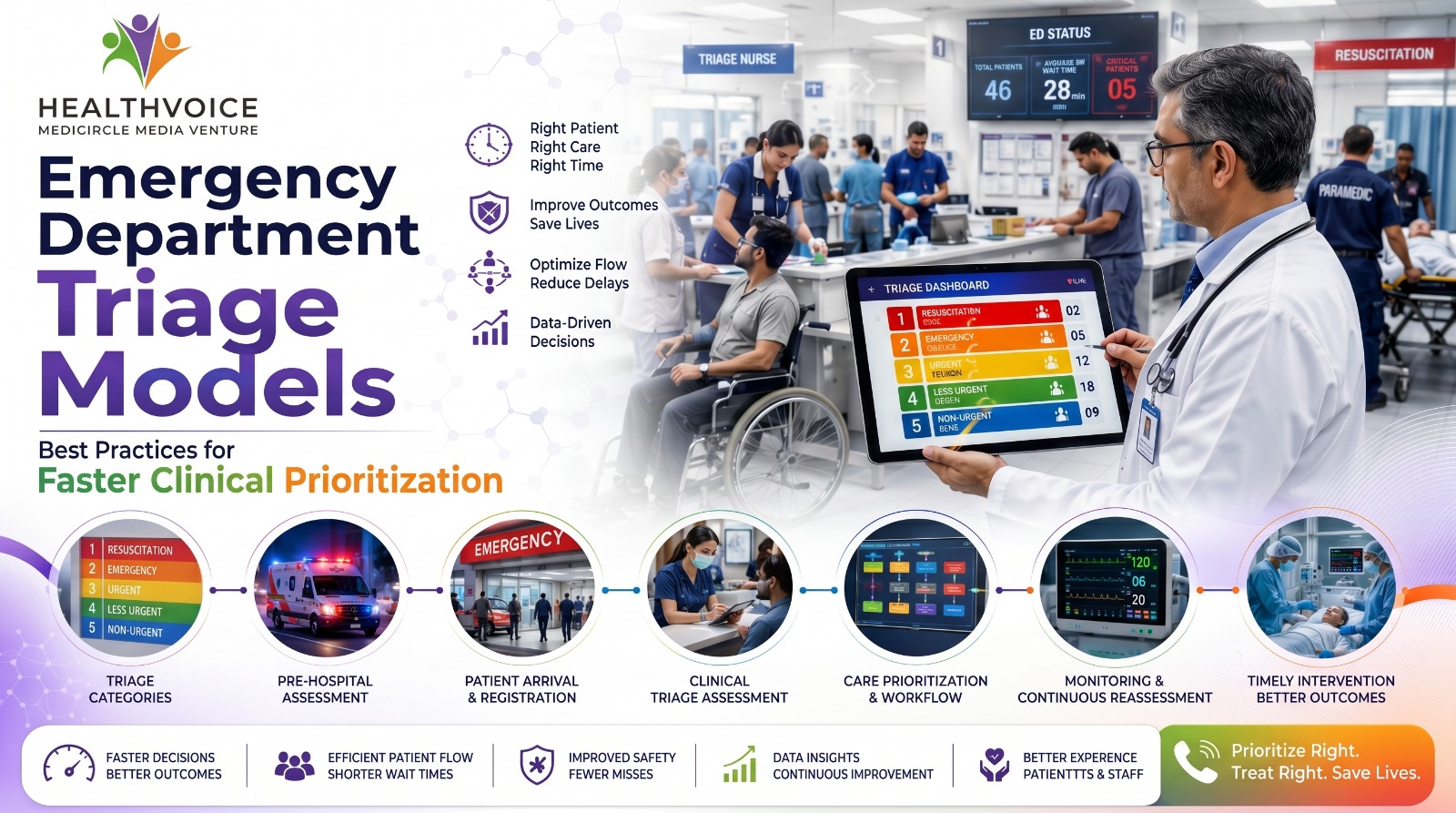
Smart Emergency Room Triage
Stepping into an emergency department in India can feel completely overwhelming for anyone. The sights and sounds of crowded waiting areas, anxious relatives, and overworked medical staff are all too common in daily life. In these high stakes environments, doctors and nurses face a massive challenge daily. They must figure out who needs lifesaving medical attention immediately and who can safely wait their turn.
This vital process of sorting and prioritizing patients is called medical triage. By using a structured triage framework, an emergency hospital can replace the traditional, chaotic waiting room setup with an organized system. This system ensures that the sickest individuals get treated first.
For medical facilities across India dealing with high patient volumes daily, adopting a reliable sorting system is the best way to safeguard patient lives. It keeps the entire hospital running smoothly.
Importance of Emergency Triage
Good emergency medicine depends heavily on an objective way to sort incoming cases. If an emergency medical center operates on a strict first come, first served basis, it puts critically ill patients at serious risk. Modern emergency room triage frameworks fix this problem by offering a standardized way to evaluate medical urgency. This evaluation happens within a couple of minutes of a patient arriving at the facility.
This fast initial check helps emergency teams make the best use of limited staff and equipment. It prevents overcrowding in outpatient areas. It also catches worsening health issues before they turn into major crises.
With a functional sorting system in place, a patient with a minor sprain can wait comfortably. Meanwhile, the medical team focuses entirely on someone showing signs of a heart attack. This deliberate way of prioritizing care completely alters how a high pressure hospital ER operates.
Furthermore, proper prioritization reduces the emotional burden on the families waiting outside. When people see an organized system, their anxiety levels drop significantly. They understand that clinical necessity dictates the order of treatment rather than random luck.
Global Triage Frameworks
Medical institutions around the world rely on verified protocols to sort emergency patients. Although most of these methods were created in Western nations, many prominent hospital groups in India have successfully customized them. They adapt the models to fit local patient needs and hospital setups. Learning how these models function helps hospital leaders design better pathways for patient care.
Emergency Severity Index
The Emergency Severity Index is a highly popular five level system known for its straightforward approach and clinical reliability. Instead of looking only at how fast a patient needs to see an emergency physician, this system looks at two distinct things. It evaluates how severe the condition of the patient is, and it estimates how many hospital resources they will need. These resources include blood tests, X-rays, or intravenous medications. Level 1 indicates a critical situation requiring immediate resuscitation, while Level 5 covers minor issues that do not require complex hospital resources.
Manchester Triage System
The Manchester Triage System uses a highly disciplined, flowchart style method built around over fifty specific medical complaints. Nursing staff follow visual decision trees to check vitals, pain intensity, blood loss, and consciousness. The system then places individuals into five color coded urgency groups. These groups start from a critical red color and go all the way to a non-urgent blue color. This sorting ensures that every patient moves predictably through the care process.
Australasian Triage Scale
The Australasian Triage Scale builds its entire framework around maximum safe waiting windows. A patient classified under Category 1 needs immediate, hands on medical intervention. On the other hand, someone in Category 5 can safely wait up to two hours to be seen by a doctor. This system gives hospital managers a very clear, time based target. It helps them lower overall patient turnaround times.
Five Tier System Benefits
Switching to a five tier hospital triage system provides a massive upgrade over older, basic three tier systems. The old methods used simple Red, Yellow, and Green zones. A five level breakdown offers a more precise look at the waiting room population. This precision keeps the intermediate care areas from getting too crowded.
Triage Tier
Condition Severity
Target Maximum Waiting Time
Common Examples
Tier 1: Resuscitation
Immediate threat to life
No waiting; instant care
Sudden cardiac arrest, major accident trauma, inability to breathe
Tier 2: Emergent
High risk case, altered consciousness
Within 10 to 15 minutes
Signs of a stroke, severe chest pain, advanced infections
Tier 3: Urgent
Stable vital signs but needs multiple tests
Within 30 minutes
Significant stomach pain, simple bone fractures
Tier 4: Less Urgent
Fully stable, requires minor resource
Within 60 minutes
Small wounds needing stitches, moderate fever
Tier 5: Non Urgent
Routine medical complaint
Within 120 minutes
Common cold, refilling regular prescriptions, minor skin rashes
Challenges in Indian Hospitals
Setting up structured emergency department triage in India comes with a unique set of daily operational struggles. These challenges require creative, practical solutions.
Overcrowding and Staff Fatigue
A large number of public and private hospitals in India deal with an overwhelming influx of patients every day. When the volume of arrivals vastly outnumbers the available nursing staff, keeping up with a multi-step triage check becomes very difficult. Constant stress can cause mental fatigue among workers. This fatigue raises the risk of under triage, where a serious medical issue is accidentally marked as non-urgent.
Misunderstanding Emergency Rooms
A lot of people use emergency departments as walk in clinics for minor, everyday illnesses. Families often expect immediate care for chronic or minor issues. This expectation can lead to arguments and tension at the front desk. Teaching the public how emergency prioritization works is vital to keeping emergency lines moving smoothly.
Lack of Digital Systems
Even though digital tracking can speed up patient check ins, a lot of hospitals still use paper logbooks or outdated computer programs. Without automated medical software to assist them, it is much harder for nurses to share live updates with other departments. This lack of technology causes internal delays when moving a patient from the waiting area to a hospital bed.
Solutions for Faster Processing
To tackle these daily bottlenecks and speed up medical care, hospitals can introduce several smart workflow adjustments.
- Set up a Distinct Triage Area: The triage desk needs to be placed right at the main emergency entrance. The layout should allow nurses to visually check incoming patients the moment they walk through the door, even before formal paperwork starts.
- Provide Continuous Training for Nurses: Because nurses make the primary decisions in triage, they need regular practice. Holding consistent training workshops and simulated emergency drills helps nurses confidently assign accurate urgency levels in less than two minutes.
- Incorporate Smart Decision Software: Using digital tools that guide staff through standard medical protocols keeps the sorting process fair and consistent. This upgrade cuts down on human error and builds a clean digital health record from the moment a patient arrives.
- Create an Express Fast Line: Building a separate care pathway for Tier 4 and Tier 5 patients allows individuals with minor issues to be treated and sent home quickly by general physicians. This separate line keeps the primary emergency ward beds open for life or death situations.
Frequently Asked Questions
How much time does a standard triage check take?
A basic triage evaluation usually takes about two to five minutes. During this time, a nurse will check vital signs, ask about the main medical complaint, and observe the patient to decide on the quickest path to treatment.
Can a triage level change while waiting?
Yes, triage is an ongoing process. If the condition of a patient gets worse while they are sitting in the waiting area, the nursing staff will reassess them right away. They will upgrade the priority level to get them into a treatment room faster.
How does triage improve the hospital experience?
Using a structured triage model takes the guesswork and chaos out of the waiting room. It gives patients a realistic idea of how long they might have to wait, while giving doctors and nurses a clear, focused roadmap to manage their shifts safely.
Future of Emergency Workflows
Improving how we sort patients in the emergency room is a giant leap toward building a safer, more reliable healthcare system across India. Moving away from unorganized waiting lines and adopting modern, data driven frameworks helps clinical teams save valuable time. It protects lives when the clock is ticking.
As medical networks across India modernize their facilities, focusing on smart check in systems at the hospital door will always be a core part of excellent medical care and patient satisfaction. To learn more about medical advancements, efficient healthcare systems, and expert wellness tips for Indian families, visit HealthVoice to read our latest medical journal publications.
 Team Healthvoice
#EmergencyCare #HealthcareInnovation
