Data Privacy in Healthcare: Doctor’s Role & Responsibility
Patient data privacy is central to modern healthcare in India. Protecting sensitive information fosters trust, ensures accurate care and strengthens the doctor patient relationship in a digital age.
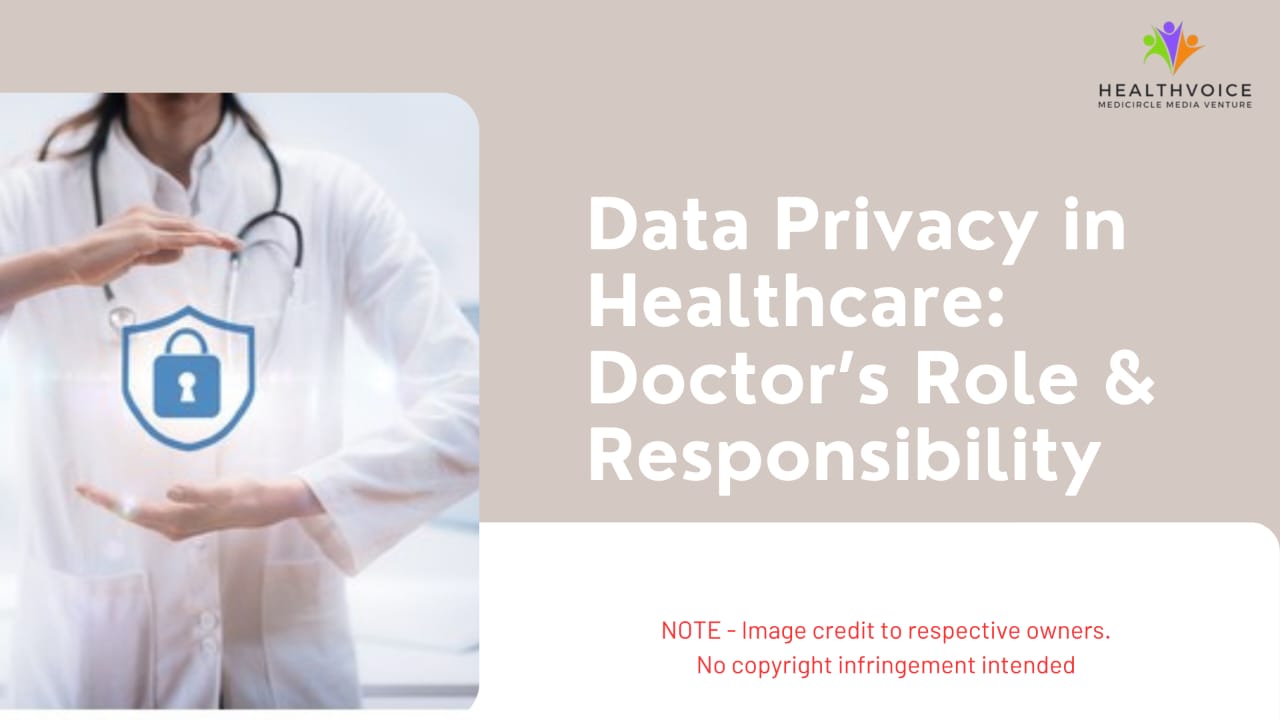
A patient walks into a clinic, shares their deepest health concerns and entrusts their most personal information. This act is not just a transaction; it is the foundation of healing. In today's India, where a prescription can be digital and medical records travel across cities in seconds, this foundation is built on one critical element: data privacy. For a doctor, safeguarding patient information is far more than a legal rule. It is a timeless ethical pledge, now tested by modern technology.
This responsibility feels immense because it is. It is about upholding a trust that has defined medicine for centuries.
Trust in every consultation:
Consider what happens in a consultation room. A person reveals not just symptoms but fears, lifestyle details and family histories. They do this believing the doctor will hold this information in confidence. This belief allows for honest dialogue and ultimately, accurate care.
When this trust is broken, the damage is immediate. A patient who fears their data might be leaked, may hide a crucial piece of their health story. They may not mention a sensitive surgery or a mental health concern. This omission can directly lead to a wrong diagnosis or an ineffective treatment. In our connected world, a leaked health record can also lead to social judgment or financial trouble. Protecting a patient's file is in a very real sense, protecting the patient themselves.
Habits for security:
How does this duty translate into a doctor's daily routine? It moves from a principle to a series of small, vigilant actions.
Sharing only what is needed: A core habit is to share the bare minimum. When sending a patient to a specialist, the referral note needs only the relevant history. When discussing an interesting case with a peer for learning, the patient's name and other identifiers can be removed. This "need to know" principle is the first line of defense.
Securing the digital clinic: With electronic health records now common, digital hygiene is non-negotiable. This means using strong, unique passwords and never sharing them with staff. It means avoiding storing patient data on a personal, unencrypted laptop or USB drive. The hospitals secure server, while sometimes less convenient is always the safer choice.
Mindfulness in physical spaces: Often, privacy is compromised without a single click. A conversation about a patient's report in a busy hospital corridor can be overheard. A computer screen left open at a reception desk is an open book. Simple awareness like closing doors for discussions, turning screens away from public view and locking cabinets with physical files, makes all the difference.
Trust in technology:
Modern tools like telemedicine platforms and digital assistants promise efficiency. But they also bring new questions. Is a video consultation as private as an in room visit? Does a voice to text app for notes keep data secure?
Doctors now have to be tech evaluators. Before adopting a new solution, they must vet its privacy credentials. They need to ask if the company behind the platform follows robust data encryption standards and complies with Indian regulations. The question is simple but vital: "Does this tool guard my patient's secret as fiercely as I do?" Choosing partners that prioritize security with solutions that enhance care without risking confidentiality becomes critical.
Commitment to care:
Data privacy is not a box to be ticked by the hospital's IT department. It is a living commitment, a part of a doctor's daily oath. It is present in a hushed tone, a secure password and a carefully chosen digital platform.
By embracing this duty fully, doctors do more than avoid legal trouble. They honor the sacred compact of care. They ensure that the journey to health is built on the solid, unwavering ground of safety and respect. In protecting the data, they ultimately protect the person.
This perspective reinforces why this duty now more than ever is at the very heart of healing.
#Healthcare #HealthTech #MedicalInnovation #Telemedicine #HealthAwareness #Wellness #PatientCare #FutureOfHealthcare #InnovationInHealthcare #MedTech #HealthForAll #HealthcareIndia #SmartHealthcare #TechForHealth #DigitalWellness #HealthTransformation #ConnectedCare #AIInHealthcare #MedicalTech #HealthSolutions #AccessibleHealthcare #ChronicCare #PrescriptionApps