Handling grief and loss: The human side of medicine
This article explores how healthcare professionals experience, internalize and navigate grief, emphasizing emotional honesty, patient connection, teamwork and self-care within the demanding realities of Indian medical practice.
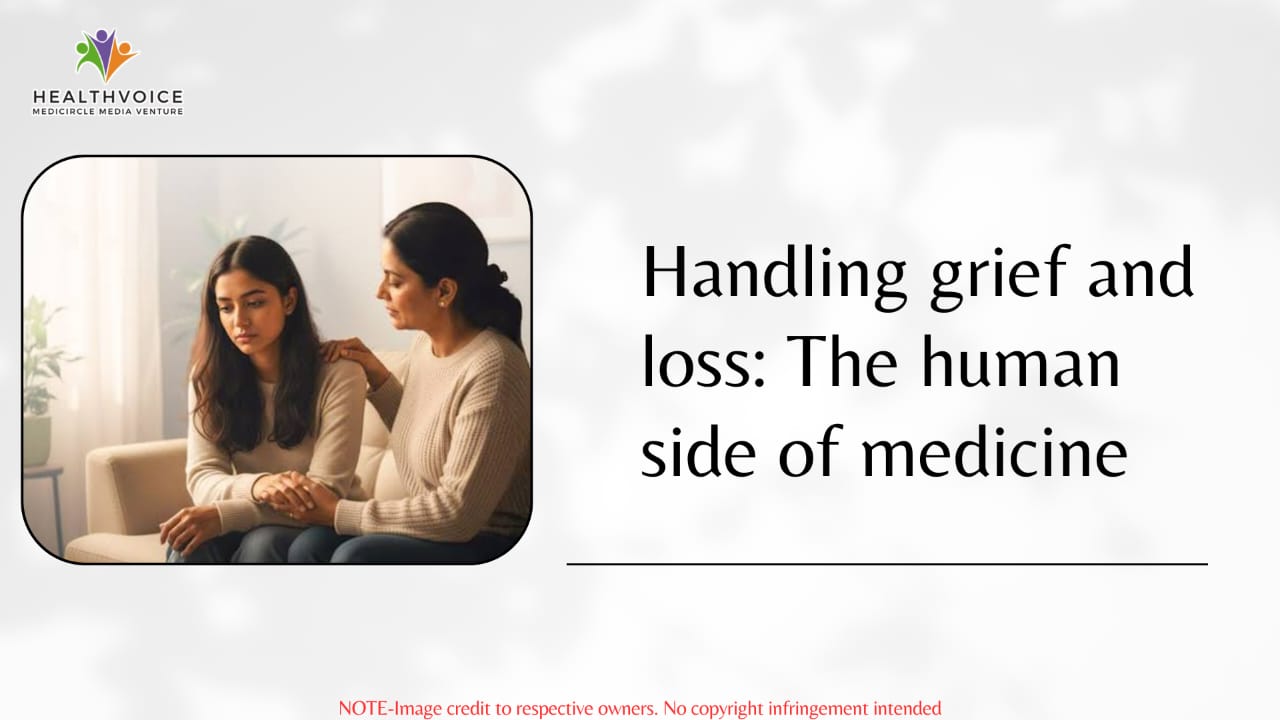
We often see doctors as figures of immense strength, moving from one patient to the next with calm precision. What we do not see is the quiet moment that follows after the curtain closes. The beeping monitors fall silent, the frantic activity ceases and in that sudden stillness, a very human emotion settles in. For the healthcare professional, this is a familiar yet deeply personal space. It is filled not just with sadness, but with a complex mix of duty, reflection and a heavy sense of responsibility. In the Indian medical context, where high patient volumes meet a culture that often expects stoicism, processing these feelings becomes a lonely battle. This is an unspoken reality.
When healing fails:
The very core of a doctor’s training is rooted in a simple, powerful goal: to heal. They learn to diagnose conditions, treat illnesses and fight for every life. When a patient passes away, it can feel like a profound personal defeat. It is as if the foundation of their purpose has been shaken. This emotional conflict is one of the most significant, yet least discussed parts of the job.
Consider the reality of healthcare in India. A single doctor’s OPD can stretch for hours, with hundreds of individuals seeking care. In such a scenario, the emotional toll of losing a patient is compounded by the sheer lack of time to process it. There is no pause button. The next critical case is already waiting. The pandemic made this even clearer, creating a relentless wave of critical patients with no room for breath or grief. This constant cycle of loss, without a healthy outlet, leads directly to burnout. Recognizing this toll is not admitting weakness. It is the first and most crucial step toward healing.
Breaking the silence:
Young medics often hear the advice to build a wall and maintain a professional distance that protects them emotionally. But this advice misses a fundamental truth: you cannot switch off your humanity at the hospital door. Feeling grief does not make you a bad doctor. It makes you a caring one.
When a doctor acknowledges the loss of a patient, something powerful happens. It bridges the gap between the medical professional and the grieving family. A simple, heartfelt condolence or a moment spent with the family after a loss communicates one vital thing: their loved one was seen, valued and cared for as a person. This act of recognition comforts the family and also offers the doctor a moment of closure. Creating spaces in hospitals where staff can openly discuss these experiences is essential for breaking the culture of silence.
Carrying the weight:
How can someone shoulder this emotional burden day after day, year after year, without breaking? There is no single answer, but there are several compassionate practices that make the journey possible.
First, embrace honest communication. When delivering difficult news, speaking in a quiet private space with genuine empathy can make an enormous difference. It is perfectly acceptable for a doctor to show humanity. Sharing a family’s sorrow can be healing for both sides.
Second, release the guilt. It is vital to remember the original purpose: the desire to alleviate suffering. Medicine is both art and science, full of uncertainties and variables beyond human control. Expecting that every life must be saved is an impossible standard. Instead, focusing on the dignity offered to a patient can be a source of comfort.
Third, lean on your community. A doctor is not meant to be a solitary hero. Colleagues, nurses, mentors and friends form an essential support system. Even a brief conversation over tea or a formal debriefing session can normalize difficult emotions.
Finally, prioritize self-care. You cannot pour from an empty cup. Healing others is sustainable only when the healer is nourished. Family time, hobbies, proper rest and physical activity are not luxuries. They are essentials that protect mental and emotional well-being.
Medicine and grief:
During difficult times, people often search for something to ease the pain. This raises an important question: can medication help with grief? It is important to understand that grief is not a disease. It is a natural human response to loss. It is not something a pill can erase and most people navigate grief without medication.
However, the situation can become more complex. Individuals with pre-existing conditions such as depression or anxiety may experience worsening symptoms after a loss. In some cases, grief can evolve into Prolonged Grief Disorder, where intense sorrow continues for a long time and becomes debilitating. In such circumstances, mental health professionals may consider medication as part of the treatment plan. Medication does not cure grief. It only provides stability so that the real emotional work can begin.
Walking the path together:
Grief in medicine is not a problem to resolve but a journey to walk again and again. Each loss carries its own weight and its own lessons. By giving voice to this pain, we remove its ability to isolate. By sharing stories, we build a community that supports one another.
The patients who are lost never truly leave the rooms of a hospital or the hearts of those who cared for them. They leave behind lessons in humility, deepen the well of compassion and remind every healthcare worker that their role goes beyond battling death. It is about honoring life in all its phases, including its gentle end. This is the human side of medicine and embracing it may be the most profound healing of all.
 Team Healthvoice
#EmotionalWellbeing #MedicalEthics #HealingJourney #PatientCare #HealthcareChallenges #HospitalLife #GriefSupport #MedicalCommunity #EmotionalResilience #supporthealthcareworkers #healthvoice