The Future of Digital Pathology in India
Digital pathology is transforming medical diagnosis in India by converting tissue slides into digital images, enabling faster, accurate analysis, teleconsultation and improved patient care across diverse regions.
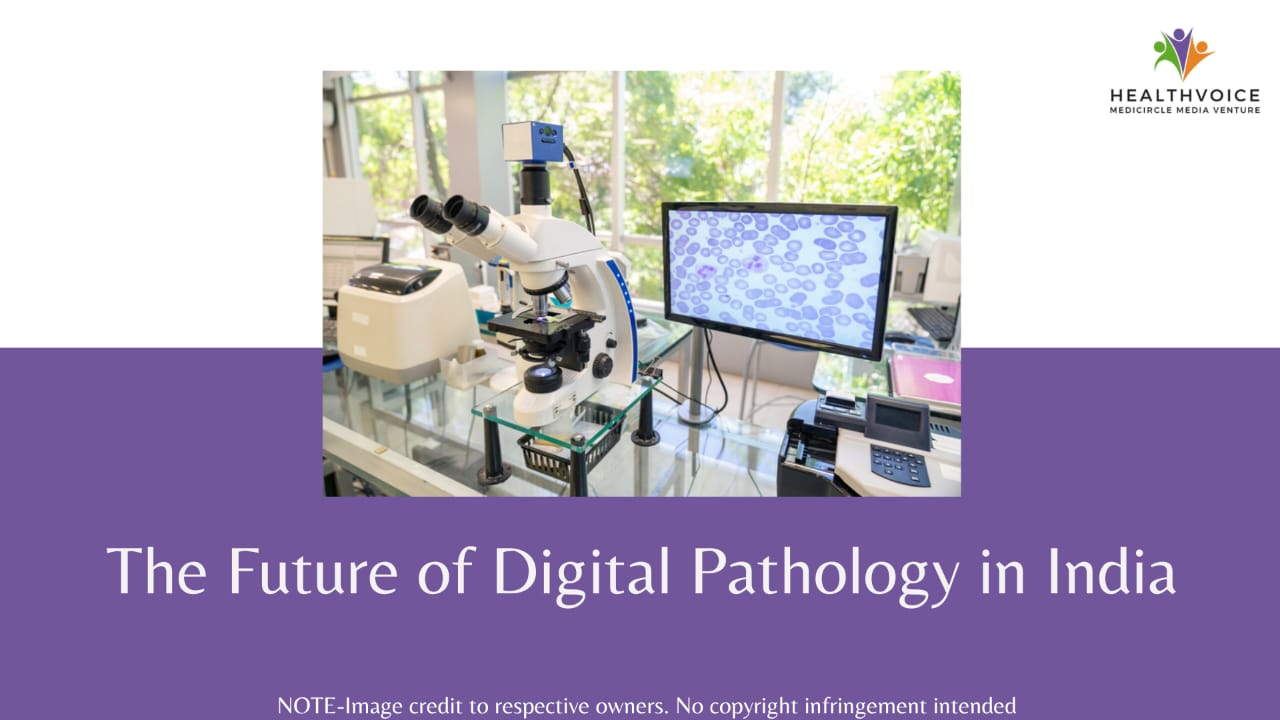
Walk into any modern pathology lab in India today and you might notice a change. Sitting alongside the trusted microscope, a workhorse of medical science for over a century is a new kind of equipment. These digital scanners and bright computer monitors are not just for show. They represent a fundamental shift, a move from glass slides to pixels on a screen and it is changing the very fabric of medical diagnosis in the country.
This is the world of digital pathology. In simple terms, it is the process of taking a physical tissue sample on a slide and transforming it into a detailed digital image. This image can then be viewed, analyzed, shared and stored on a computer. It is a concept that is steadily moving from research labs to real world clinical settings across India. The numbers hint at its potential; estimates suggest the Indian digital pathology market could see significant growth, potentially reaching a value of around $62.4 million by 2030. But beyond the figures, what does this mean for the average patient, the busy doctor or the future of Indian healthcare?
India’s pathology journey:
The story of digital pathology in India is one of enthusiastic acceptance meeting practical challenges. A survey among pathologists in central India found that while 98 percent acknowledged the need for this technology, only about a third had integrated it into their daily work. This gap between wanting and doing tells its own story. The vision is clear, but the path to widespread use is still being paved.
Initially, the technology found a strong foothold in education. Nearly half of the pathologists using digital tools do so primarily for teaching medical students and trainees. This academic foundation is crucial. It is building a generation of doctors who are already comfortable with this new way of seeing. At the same time, large corporate hospitals and major diagnostic chains are actively forging partnerships, bringing world class digital diagnostic capabilities to Indian patients.
Drivers of growth in India:
- Building better systems: Government initiatives aimed at creating a unified health information platform are creating a digital friendly environment.
- Teaching the next generation: Its use in medical colleges is preparing future doctors and creating a skilled workforce.
- Meeting critical needs: The rising burden of diseases like cancer demands more precise and faster diagnostic methods.
- Breaking down walls: The ability to share a slide instantly for a second opinion, known as tele pathology is a game changer, praised by 82 percent of pathologists for accessing expertise.
The human impact:
For a patient sitting in a small town in Bihar or a remote village in Maharashtra, it can mean their biopsy sample does not have to travel physically for a specialist’s review. A leading expert in Delhi or Chennai can examine the same high quality digital image from their own desk. This eliminates delays, reduces anxiety and brings specialist care closer to home.
For the pathologist, it is a powerful new set of tools. It brings efficiency to managing daily caseloads. Need a second look? A digital image can be shared with a colleague across the city in seconds, fostering collaboration and reducing the chance of error. Furthermore, it creates a permanent, easily searchable library of past cases, an invaluable resource for learning and comparison.
For medical researchers in India, this is a frontier. By building vast databases of digital slides from Indian patients, they can train advanced algorithms to spot disease patterns that might be unique to the population. This paves the way for more personalized and effective healthcare solutions.
Challenges in adoption:
This transition is not without hurdles. The journey to a digital future faces some very real obstacles.
The initial investment for high quality scanning equipment and storage systems is significant. For many smaller labs, this cost is a major barrier. Then there is the need for robust digital infrastructure; reliable, high speed internet is a must, which can be a challenge in some regions. Perhaps the most overlooked challenge is the human one. Pathologists need training not just to use the new technology, but to trust it. A survey highlighted that 67 percent of Indian pathologists are deeply concerned about the cost effectiveness of making this shift.
Collaborative solutions:
These challenges are not dead ends. They are problems with practical solutions.
- Working together: Strategic partnerships between government bodies and private companies can make technology more affordable and accessible.
- Step by step implementation: Labs do not need to switch everything overnight. A phased approach, starting with education and second opinions, allows for a smoother transition.
- Upskilling experts: Continuous training programs for current and future pathologists build confidence and competence in the digital realm.
- Policy as a catalyst: Supportive government policies, such as those envisioned in the National Health Policy 2017, which aims to set up digital health networks, provide a strong tailwind for this transformation.
A hybrid future:
The future of pathology in India is not about machines replacing doctors. It is about doctors using smarter machines. It will likely be a hybrid model for some time, where the familiar microscope and the advanced digital scanner work side by side. This practical approach ensures that patient care is never disrupted while the system gradually evolves.
The ultimate winner in this shift is patient care. Faster diagnoses can lead to earlier treatment. Digital analysis adds a layer of objectivity, making diagnoses more consistent. For a country of India’s size and diversity, it democratizes expertise, ensuring that a patient’s location does not limit their access to the best diagnostic minds.
Conclusion:
The move toward digital pathology is more than a simple tech upgrade. It is a fundamental evolution in our approach to healing. It is about building a healthcare system that is more connected, more efficient and ultimately, more human.
The goal is a future where technology amplifies the skill of medical professionals, where distance is no longer a barrier to good health and where every Indian patient benefits from the collective wisdom of the nation’s medical community. The revolution in the lab has begun and its pulse is growing stronger every day.
#DigitalPathology #HealthcareInnovation #MedicalTechnology #FutureOfDiagnostics #AIInHealthcare #DigitalHealth #HealthcareTransformation #SmartHealthcare #HealthTech #DigitalHealthcare #HealthcareDigitization #MedicalResearch #PatientCare #ConnectedHealthcare #HealthcareEcosystem #DoctorsOfIndia #HealthcareFuture #healthvoice