Bridging the Gap between MBBS Training and Real-World Practice
This article explores the transition from MBBS studies to clinical practice, emphasizing the importance of emotional intelligence, communication, and technological proficiency for young doctors in the Indian healthcare system.
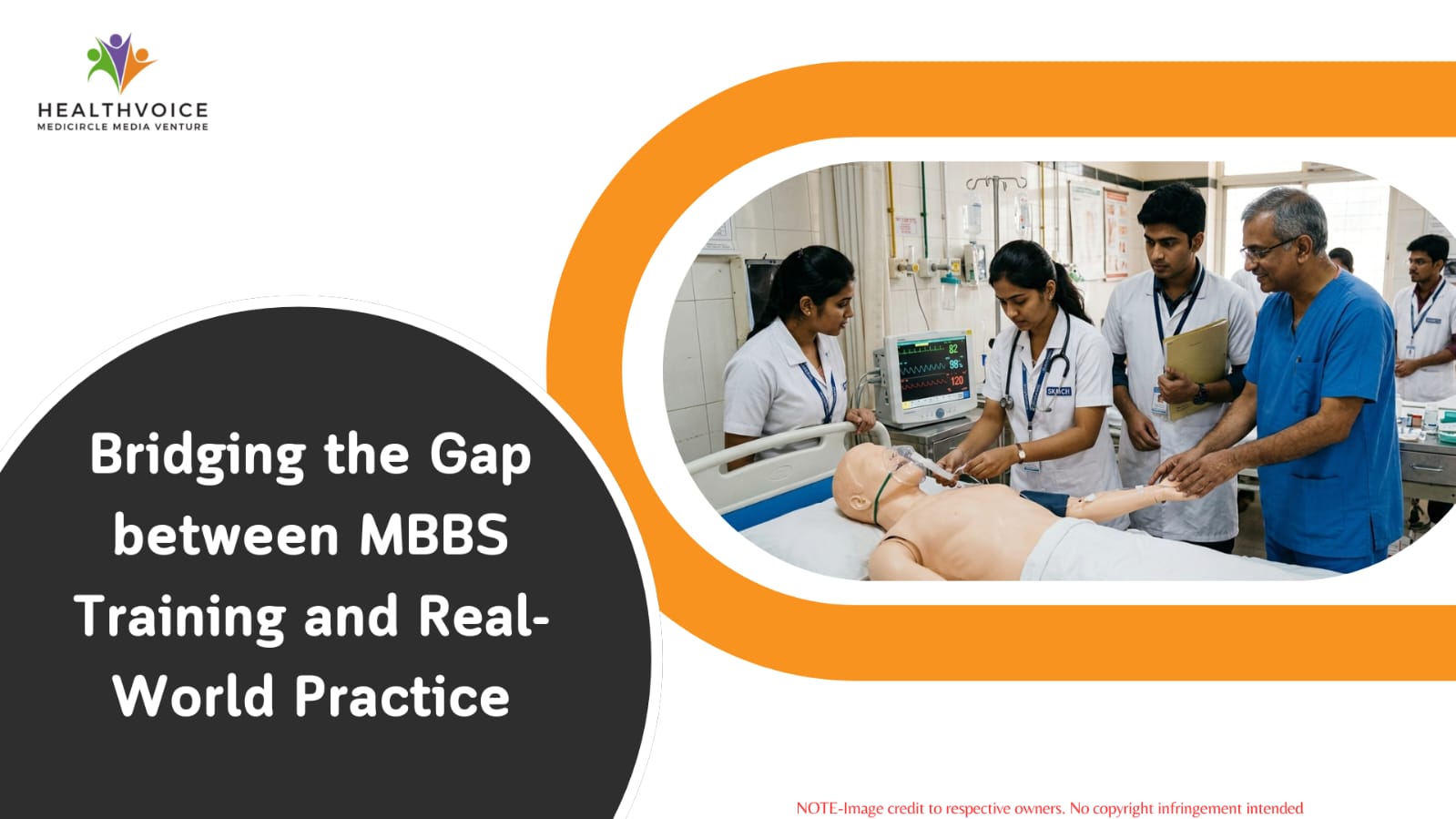
Moving from the structured environment of a medical college to the fast paced reality of a hospital ward is one of the most intense transitions a physician will ever face. In India, earning an MBBS degree is a proud milestone, but for many, the first day of internship or residency feels like starting from zero. While medical schools provide an excellent academic foundation, there is a significant difference between passing an exam and managing a patient in a high pressure clinical setting. To thrive in the real world, a young doctor must look beyond textbooks. Success today requires a blend of clinical intuition, emotional intelligence, and a solid grasp of how modern healthcare technology works.
Clinical Reality v/s Textbooks:
In a classroom, symptoms usually point toward a single and clear diagnosis. In an Indian hospital, however, patients rarely present with textbook cases. A doctor might meet someone who has lived with multiple chronic conditions for years or someone whose symptoms are masked by previous self-medication. The real challenge for a new graduate is learning how to filter vast amounts of theoretical knowledge and apply it to a person with unique financial constraints and cultural beliefs. Moving from identifying a disease to managing a patient is a major shift. It requires clinical reasoning, learning to ask the right questions, and making decisions based on the resources available at that moment.
Communication and Healing Power:
A common realization among new doctors is that a stethoscope is only half the toolkit. The other half is the ability to talk and listen. In a crowded outpatient department or a frantic emergency room, how you speak to a patient is just as important as the medicine you prescribe. Medical school focuses on biology, but the real world demands empathy. Explaining a difficult diagnosis to a worried family or convincing a skeptical patient to stick to their treatment requires immense patience and clarity. When a doctor takes the time to translate medical jargon into simple language, it builds a foundation of trust. This trust is what ensures patients actually follow through with their care, leading to better outcomes for everyone.
Modern Healthcare Technology:
The landscape of Indian healthcare is becoming increasingly digital. Modern practice now involves navigating Electronic Health Records, managing telemedicine consultations, and issuing digital prescriptions. These are practical tools that were not always part of the curriculum but are now essential for efficiency. Furthermore, there is an administrative side to medicine that can be overwhelming. From understanding medico-legal documentation to navigating the complexities of health insurance, these office tasks are part of a daily life for a doctor. Learning to handle these systems early on prevents burnout and allows a physician to spend more time with patients and less time struggling with paperwork.
Benefits of Professional Mentorship:
No doctor becomes an expert overnight, and no one should try to do it alone. While the Indian medical system has always had a hierarchy of seniors and juniors, finding a true mentor is a different experience entirely. Medicine is an art best learned through observation. By connecting with experienced colleagues and participating in professional communities, young doctors can discuss difficult cases and stay current with changing guidelines. This kind of collaborative learning turns the daunting gap between school and practice into a manageable and even enjoyable path of professional growth.
Final Professional Thoughts:
The jump from being a medical student to a practicing clinician is steep, but it is also where you truly find your purpose. By focusing on communication, embracing technology, and seeking out mentorship, you can transform from a knowledgeable graduate into a well-rounded healer. The future of healthcare in India depends on doctors who are as socially aware as they are scientifically skilled. Every day in the ward is an opportunity to learn something a textbook could never teach you.
 Team Healthvoice
#FutureDoctors #DoctorsOfIndia #ClinicalPractice #MedicalJourney #HospitalLife #DoctorLife #HealthcareIndia #MedicalProfession #MedicalEducation #PatientCare #HealthcareTechnology #DigitalHealth #healthvoice
