The Ghost in the White Coat: How a Fake Doctor Exposed India’s Medical Credential Crisis
This scandal urges the healthcare ecosystem to look beyond the surface, to confront uncomfortable truths, and to reinforce the sacred contract between healer and healed.
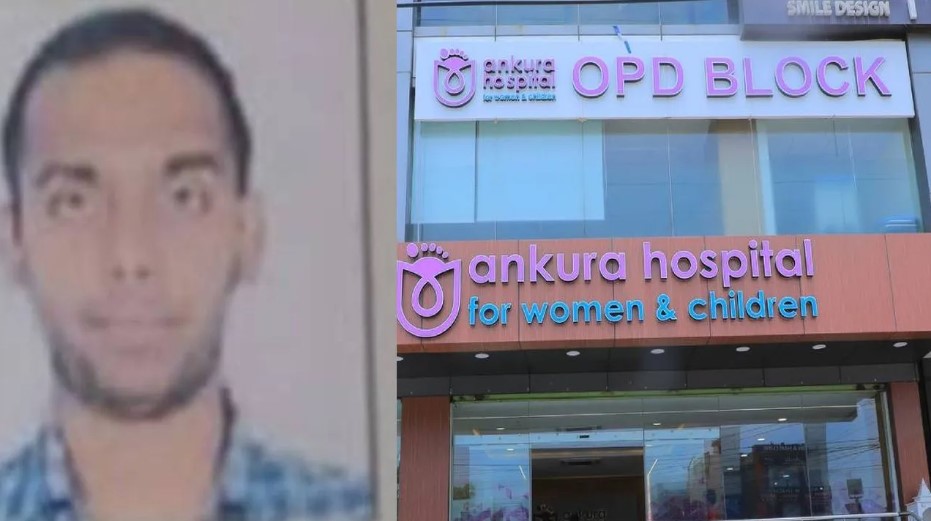
In the quiet corridors of a modern hospital in Hyderabad, a shadow of deception operated in plain sight. Ankura Hospital in Madinaguda, known for its pediatric services and polished professionalism, found itself at the epicenter of a scandal that threatens to erode public trust in India’s medical systems. When the Telangana Medical Council (TGMC) paid a surprise visit to the facility on 19 March 2025, they weren't just verifying paperwork, they were about to unravel a story so disquieting that it shook the foundations of professional integrity.
At the heart of the matter was a man named Kalapala Bharat Kumar, who had been functioning as a Duty Medical Officer. But what looked like a routine verification quickly turned into a revelation of fraudulent identity, fabricated credentials, and possibly a greater network of malpractice. Kumar was discovered to be practicing medicine with forged documents. The registration number he used wasn’t his. It belonged to another doctor, Byram Bharat Kumar, whose details had been meticulously copied and altered. Everything from the name and father’s name to the address was changed, but the façade crumbled under TGMC's scrutiny.
In a time when healthcare demands the highest levels of ethical compliance, how did a person allegedly impersonating a doctor slip through so many levels of scrutiny?
The forged registration certificate was not just a bad photocopy or a sloppy job, it had every appearance of legitimacy. But a deeper look showed that its stated validity was from 2016 to 2026, violating TGMC’s rules which limit medical registration validity to five years. This was a glaring red flag. Even more startling was the absence of any academic degree to support Kumar’s claims. The hospital couldn’t produce his medical graduation certificate, nor any supporting documentation. They submitted the forged registration again during the inspection, doubling down on a lie either unknowingly or with gross negligence.
One would assume that with the unveiling of such a serious offense of practicing medicine without qualifications, swift action would follow. An FIR was registered by the Miyapur police on 25 March 2025. But as days turned into weeks, little progress was seen. The accused wasn’t detained. He wasn’t interrogated under custody. In fact, updates from the authorities have been minimal. The urgency one would expect in a case involving impersonation of a healthcare professional seemed to dissipate.
The hospital responded with formal regret and terminated the accused. Their official stance remained one of cooperation, emphasizing their commitment to ethics and protocol. But beneath the corporate polish, critical questions emerged: How long had Kumar been on their payroll? Was he only performing the duties of a Duty Medical Officer, or had he been diagnosing and treating patients as a pediatrician, as some reports suggest? If the hospital had indeed adopted stringent checks, how did this blatant forgery evade their systems?
Adding further intrigue to this already complex case was the accused’s own narrative. According to the police, Kumar claims he was duped by a middleman during the registration process. He said he believed he had a valid MBBS-equivalent degree from Lugansk State Medical University in Ukraine, followed by a Foreign Medical Graduate (FMG) exam conducted in India. But when asked to show original certificates, he only had copies. The originals, he claimed, were with the middleman. A familiar story in a country where bureaucracy often breeds backdoors and shortcuts.
Still, something doesn’t sit right. If Kumar truly didn’t know his registration was forged, why didn’t he re-register when the Telangana State Medical Council made it mandatory for all doctors in 2022 and 2023? Thousands of doctors complied without question, including the very individual whose identity Kumar allegedly forged. Why didn’t Ankura Hospital demand a renewed certificate at that time, especially if they claim a multi-stage verification system? These gaps point to a failure not just of one individual, but of the entire verification framework.
Interestingly, police investigators have also hinted at a potential personal link between the imposter and the doctor whose identity was misused. Both may have shared a past possibly as classmates or acquaintances from the same area. If proven, this connection could reveal whether the forgery was opportunistic or orchestrated.
Yet, the legal process remains sluggish. Despite clear evidence of impersonation, forgery, and fraud, the man at the center of this storm has not been taken into remand. Police cited reasons ranging from mental health issues and family tragedies to financial distress. But does emotional hardship justify inaction in such a high-stakes case? If a fake doctor can escape immediate consequences because of personal misfortune, what precedent does it set?
This episode doesn’t just point to one man’s deception. It points to systemic vulnerability. It raises questions about how medical institutions verify credentials, how state councils follow up on regulatory compliance, and how law enforcement prioritizes crimes that don’t scream for attention but quietly destroy trust.
The ramifications extend beyond Ankura Hospital. Every patient who walked into that facility during the accused’s tenure is now entitled to wonder: Was my child treated by a qualified professional? Were diagnoses influenced by an unqualified individual? Can I trust the next white coat I see?
Such fears are not baseless. They stem from a breach that goes beyond paperwork. It touches the core of what the medical profession stands for knowledge, accountability, and the sanctity of human life. When someone without verified training makes decisions about people’s health, the danger isn’t just theoretical. It’s immediate and real.
The National Medical Commission, the regulatory body tasked with maintaining the sanctity of medical practice in India, has mechanisms in place to deal with these issues. But their power relies on active cooperation from hospitals and swift response from law enforcement. In this case, both have shown cracks. TGMC officials continue to follow up, but without action from the police, their efforts remain suspended in bureaucratic inertia.
Hospitals must now revisit their hiring protocols. Background checks must become more than routine paperwork. Re-verification should not be triggered by external inspection but embedded into periodic audits. Regulatory bodies must use digital infrastructure to flag discrepancies in real-time, and medical databases should be integrated across states and councils to detect fraudulent activities quickly.
But beyond technology and protocol, there lies a deeper need for accountability. An institution that fails to detect a fake doctor must face questions not just from regulators, but from the community it serves. Public trust is fragile. Once broken, it takes more than policy updates to restore.
The ghost in the white coat was exposed at Ankura Hospital. But how many more operate under similar disguises in other institutions? How many more forged registrations lie undetected in dusty HR files? How many middlemen continue to sell shortcuts to desperate or unscrupulous individuals?
Until these questions are addressed with honesty and urgency, the risk remains that the next person wearing the coat may not be who they claim to be.
The Ankura episode is more than a local scandal, it’s a national wake-up call. It urges the healthcare ecosystem to look beyond the surface, to confront uncomfortable truths, and to reinforce the sacred contract between healer and healed. Because when medicine loses its moral compass, society loses its anchor.
And in that silence between a patient’s trust and a hospital’s promise, deception finds its voice
 Sunny Parayan
#FakeDoctorScandal #MedicalFraudIndia #HealthcareCrisis #PatientSafety #MedicalEthics #NationalMedicalCrisis #ReformMedicalHiring #PatientRights #healthvoice